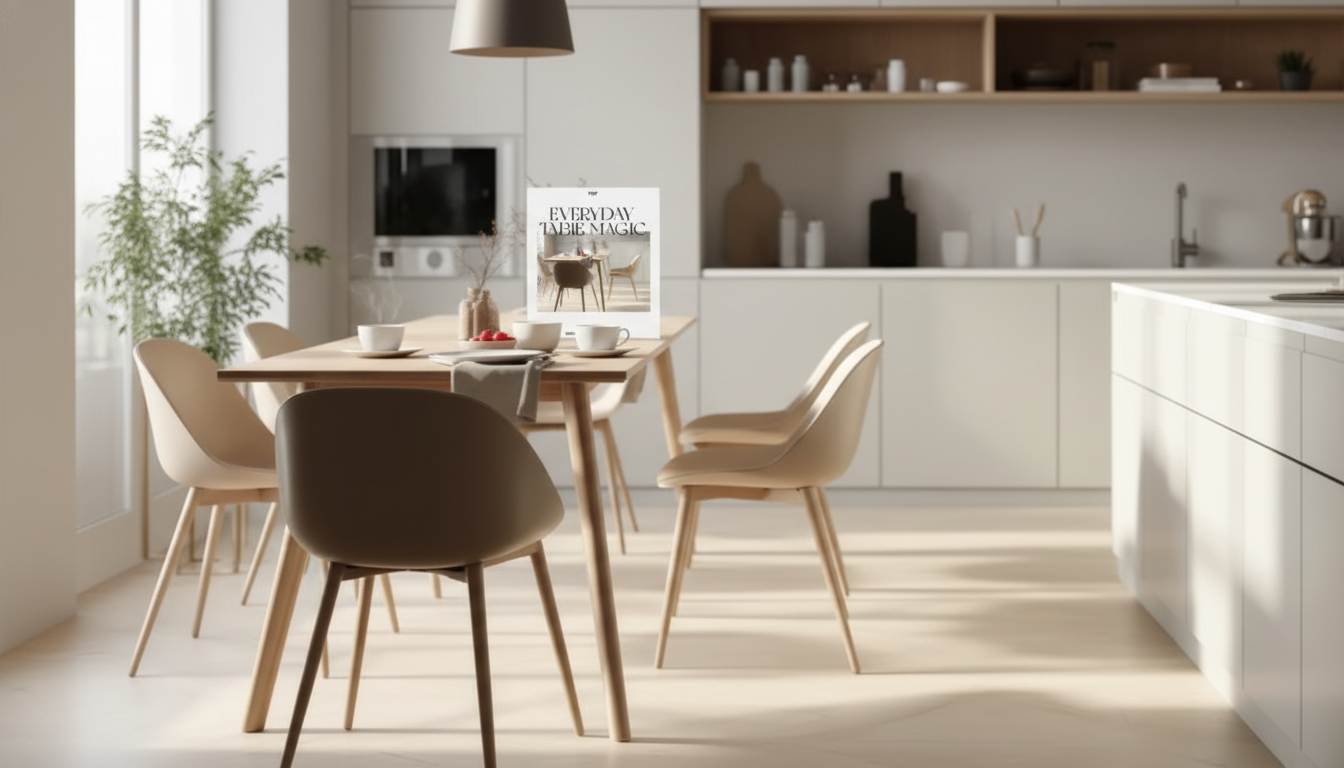
Everyday Table Magic: Effortless, Beautiful Table Settings for Any Day
A well-styled table changes the feel of an entire room—without needing special occasions, expensive pieces, or hours of effort. The secret is a repeatable formula: start with a calm base, add one focal point, build in practical comfort, and finish with small details that make the setting feel intentional. With a few versatile staples (linens, a simple centerpiece vessel, candleholders, and everyday-friendly dinnerware), a breakfast nook, kitchen island, coffee table, or dining table can look pulled together every day while still being easy to clear, clean, and live with.
The Everyday Table Formula
When a table looks “done” but not overstyled, it usually follows the same pattern. Use this simple sequence to create a setup that’s attractive, functional, and fast to reset.
- Start with a base layer that defines the space: a runner, placemats, or a tray for smaller surfaces.
- Choose one focal point: a vase, bowl, or low arrangement that anchors the center.
- Add height variation using the “low–medium–tall” rule while keeping sightlines clear for dining.
- Repeat one material or color (wood tone, brass, linen, or a single accent color) to make the arrangement feel cohesive.
- Finish with one “human touch”: a folded napkin, a small bud vase, or a note that makes family meals feel cared for.
Quick Styling Map for Everyday Settings
Quick Styling Map for Everyday Settings
| Setting |
Base Layer |
Centerpiece |
Lighting |
Finishing Touch |
| Weeknight dinner |
Neutral runner |
Low bowl with citrus or greens |
2 small candles |
Cloth napkins (simple fold) |
| Casual brunch |
Placemats |
Small vase with seasonal stems |
One candle + daylight |
Water carafe on a tray |
| Coffee table |
Tray or stacked books |
Sculptural object + small plant |
Lamp nearby |
Coasters within reach |
| Kitchen island |
Slim runner |
Fruit bowl or herb pot |
None needed |
One small catchall for keys/mail |
Choosing a Style Direction That’s Easy to Repeat
The easiest tables to keep looking good are built around a consistent “home base” style. Once that’s set, daily updates become quick swaps rather than full redesigns.
- Pick a simple palette: two neutrals plus one accent color (for example: white + natural linen + olive).
- Choose a mood to guide materials: airy (glass/white), cozy (wood/linen), modern (black/stone), or classic (white + brass).
- Limit patterns to one zone (napkins or dishes) to avoid visual noise.
- Match the room’s dominant finishes like cabinet hardware, nearby lighting metals, or wood tones so the table feels like part of the space.
- Stay consistent with shapes: round elements feel soft and welcoming; angular pieces feel crisp and modern.
For a quick reality check, compare your setup to established table-setting basics and etiquette guidance from the Emily Post Institute, then make it livable for your actual routine.
Layering Basics: Linen, Place Settings, and Practical Comfort
Layering is what makes a table feel finished, but everyday comfort is what makes it sustainable. The goal: fewer pieces that do more work.
- Use one base layer when life is busy: a runner can replace both placemats and a full tablecloth.
- Prioritize easy-care textures: washable cotton or cotton/linen blends and wipeable placemats that still feel substantial.
- Streamline place settings: a dinner plate + bowl (if needed) + one glass is plenty for most weekdays.
- Let napkins do the styling: a simple knot, ring, or flat fold reads polished in seconds.
- Keep spacing comfortable: leave room for elbows and serving dishes, and don’t hesitate to remove decor once the meal begins.
When you want fresh inspiration without reinventing the wheel, browse practical ideas like these table setting tips from Martha Stewart and borrow one detail at a time.
Centerpieces That Don’t Get in the Way
The best everyday centerpieces are low, movable, and useful. They add beauty without turning dinner into a game of peekaboo across a bouquet.
- Go low for dining: choose a bowl, short vase, or shallow arrangement that keeps conversation open.
- Build from what you already use: a fruit bowl, a stack of plates on a board, or a small herb pot can look intentional.
- Use odd-number groupings (three or five items) for a relaxed, natural look.
- Balance texture: pair something matte (ceramic/linen) with something reflective (glass/metal) for depth.
- Swap seasonally with minimal effort: citrus in winter, tulips in spring, herbs in summer, branches in fall.
A simple rule that keeps everything feeling calm: if you can’t serve a family-style platter comfortably, the centerpiece is too wide for everyday dining.
Lighting and Small Details That Create the “Magic”
Lighting is the fastest way to make a plain table feel special. A warm glow softens hard edges and makes everyday moments feel more deliberate.
- Use warm light sources: candles or a small lamp nearby makes even simple settings feel intentional.
- Keep candle height reasonable: use low votives on the table; if you love tapers, place them off to the side when the centerpiece is taller.
- Be careful with scent: skip heavy fragrance during meals; unscented candles are the safest default.
- Repeat one small element: matching glassware or consistent napkin color signals cohesion instantly.
- Leave negative space: breathing room often looks more elevated than filling every inch.
How to Choose: A Flexible Setup for Different Tables and Budgets
FAQ
How to use a magic table?
A “magic table” is one that adapts quickly: keep a clear zone for eating or working, corral decor on a tray, choose a low centerpiece that’s easy to move, and reset with a simple formula (base layer + focal point + light + one small detail).
How durable is a magic coffee table?
Durability depends on materials and construction—solid wood and metal frames are typically tougher than thin veneers, and tempered glass and stone can perform well with the right care. Protect surfaces with coasters, felt pads under decor, and a tray or soft runner to prevent scratches and heat rings.
Recommended for you











Leave a comment