Is a low eMF sauna worth it?
A low eMF sauna can be worth it when the goal is to keep electromagnetic field exposure as low as reasonably possible while still enjoying the comfort and convenience of far infrared heat at home. Many shoppers land on low eMF models for peace of mind—especially if they plan to use the sauna frequently or for longer sessions.
The value tends to come down to three factors: measured performance, build quality, and how the sauna fits real life. A well-made low eMF unit should still heat evenly, feel comfortable to sit in, and hold up over years of use. If “low eMF” is only a label without credible measurements or thoughtful electrical design, it’s harder to justify paying more.
What you gain with a low eMF model
Low eMF designs often focus on cleaner wiring layouts, better shielding, and components chosen to reduce stray fields near the body. The practical payoff is confidence that you’re not trading one concern (stress/strain) for another (unwanted exposure) during a routine meant to feel restorative.
When it’s especially worth it
A low eMF sauna makes the most sense for people who are sensitive to EMFs, anyone who prefers to minimize exposure where possible, and households that will use the sauna several times per week. In those cases, the incremental cost is spread over many sessions, and the peace-of-mind benefit adds up quickly.
How to decide quickly
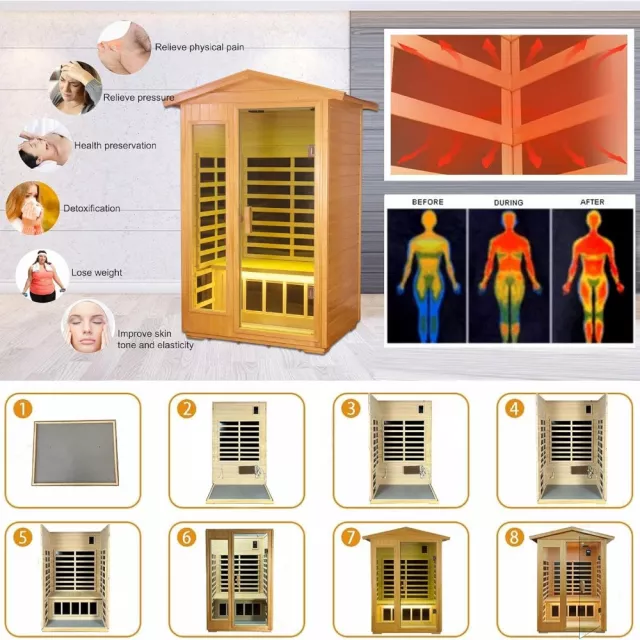
Look for specific low eMF claims backed by measured values, a layout that places electrical components away from the body where possible, and a reputation for reliable heating and solid materials. For a deeper breakdown of what to look for in a 2-person outdoor far infrared option, see this low eMF sauna guide.
FAQ
What is the difference between low EMF and ultra-low EMF saunas?
“Low EMF” generally indicates reduced electromagnetic fields compared to standard models, while “ultra-low EMF” usually targets even lower readings through additional design steps like improved shielding and component placement. The meaningful difference is the measured EMF level at the seating area, not the marketing term.
Recommended for you









Leave a comment