What is a touch control kitchen faucet and how does it work?
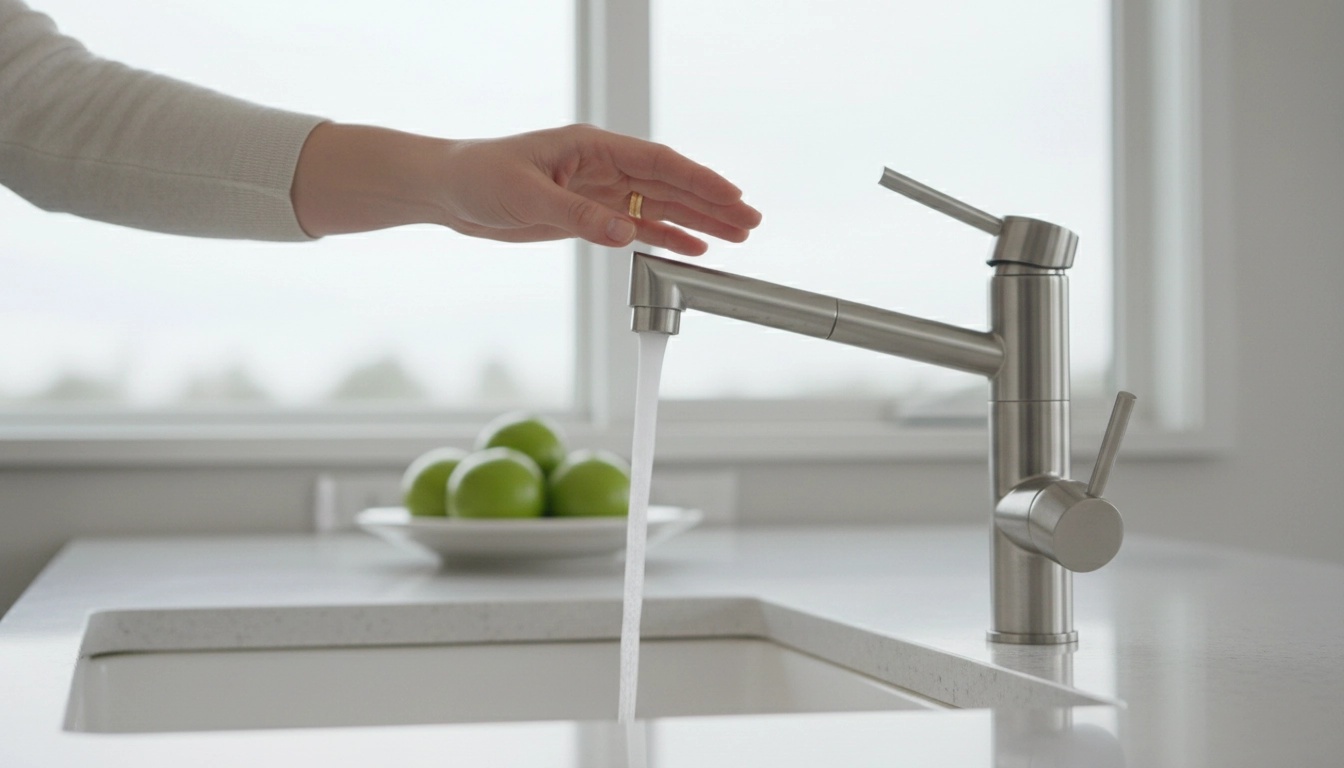
A touch control kitchen faucet is a hands-on (literally) upgrade that lets you turn water on or off by tapping the faucet body or handle instead of gripping and twisting. It’s designed for busy cooking moments—when your hands are messy from raw meat, dough, or dishwater—so you can control the flow with a quick touch.
Most touch faucets use a small electronic sensor built into the spout or handle area. When you tap the metal surface, the faucet detects the change (often through capacitive sensing) and sends a signal to a control box under the sink. That control box opens or closes an internal solenoid valve to start or stop the water. Temperature is usually set the traditional way—by moving the handle to the preferred mix of hot and cold—while the tap feature handles the on/off action.
What you need for it to operate
Touch faucets typically run on batteries, an AC adapter, or a hybrid of both. A battery pack is common and keeps the faucet working even during a power outage, while some models allow plug-in power for fewer battery changes. Many designs also include a manual bypass or standard handle operation so you still have water control if the electronics ever need attention.
Why homeowners choose touch control
The biggest perks are convenience and cleanliness: less grabbing the handle with dirty hands means fewer smudges and easier wipe-downs. Touch control can also reduce water waste by making it simpler to shut off the flow quickly between tasks. If you’re considering a premium finish or pull-out style, see the detailed breakdown here: gun gray brass touch pull-out kitchen faucet guide.
For Touch Control Kitchen Faucets: How They Work, the best answer depends on fit, material, care instructions, and how the product will be used day to day.
FAQ
Do touch faucets need electricity?
Yes. They use batteries, an AC adapter, or both to power the sensor and solenoid valve that controls water flow.
Recommended for you









Leave a comment