Which tankless gas water heater is best according to Consumer Reports?
Consumer Reports doesn’t keep a single, forever “best” tankless gas water heater because scores can change as new models are tested and pricing, reliability data, and availability shift. The most accurate way to identify the current top pick is to check the latest Consumer Reports ratings for tankless gas units and look for a model that scores strongly in hot-water performance (steady temperature at realistic flow rates), efficiency, and predicted reliability.
When comparing the highest-rated options, focus on a few details that typically separate the leaders from the middle of the pack:
- Real-world hot-water delivery: Many heaters advertise high GPM, but actual output depends on incoming water temperature. Higher BTU and a strong heat exchanger help maintain flow when groundwater is cold.
- Stable temperature control: Better units hold a consistent set temperature under changing demand (a shower plus a sink) and reduce “cold water sandwich” issues.
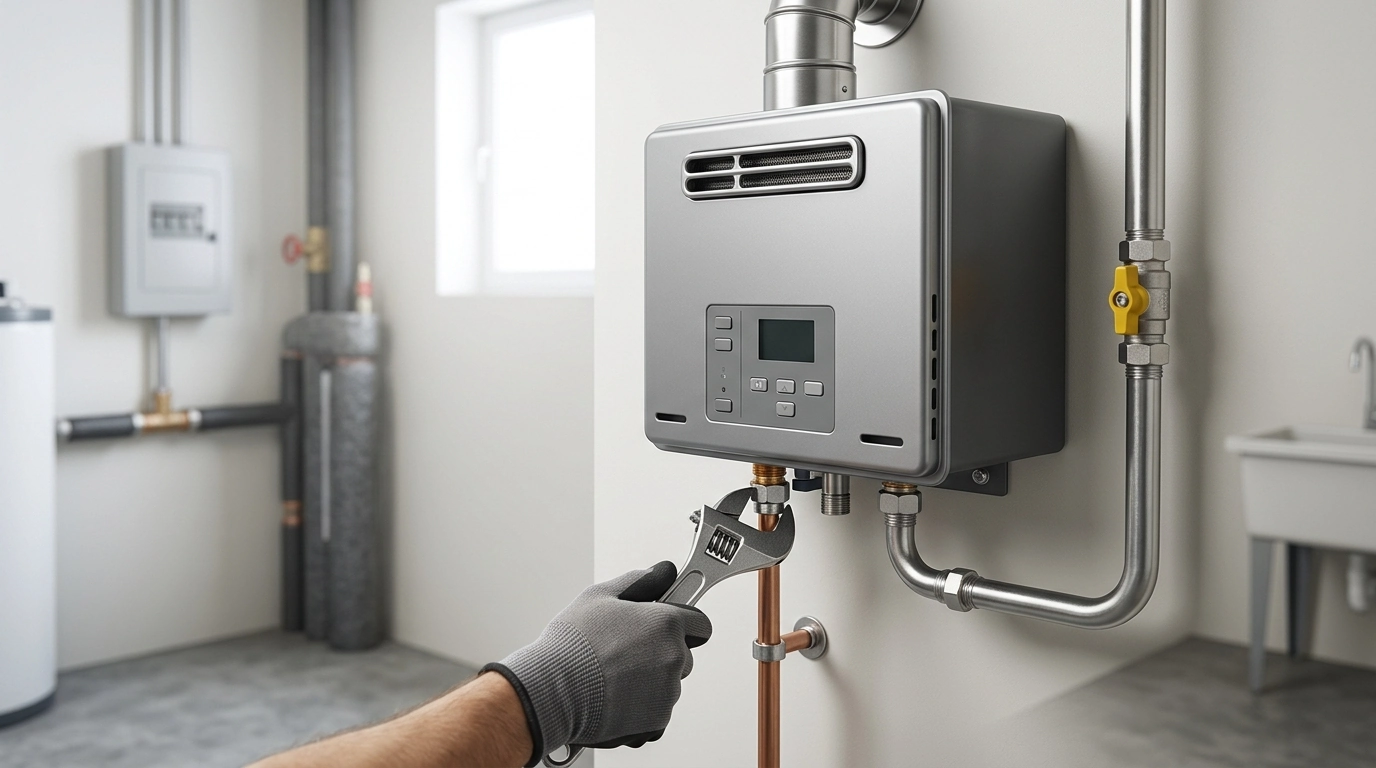
- Venting and installation fit: A top-rated heater still needs compatible venting (often PVC/CPVC/PP for condensing models) and adequate gas line sizing, which can affect total cost.
- Warranty and service network: Longer heat-exchanger coverage and readily available parts can matter as much as efficiency.
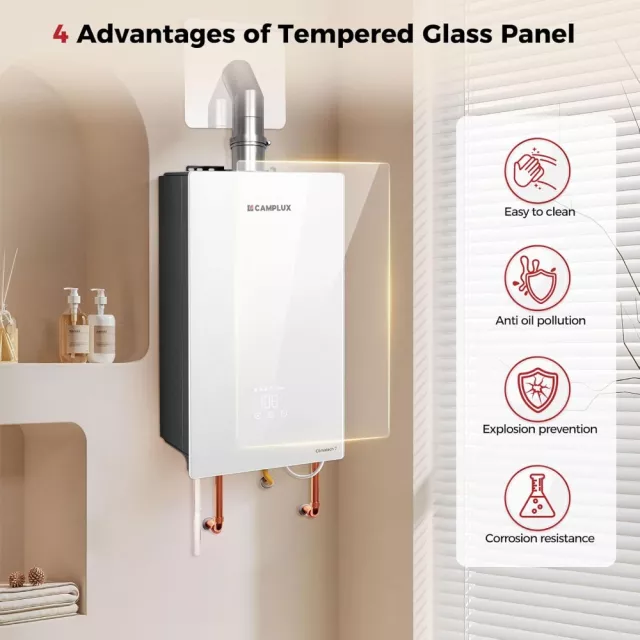
If you’re comparing a high-capacity indoor tankless option, see the detailed specs, use-case notes, and sizing considerations in this guide: 5.28 GPM 132k BTU Indoor Gas Tankless Water Heater guide. Matching BTU and realistic GPM to your home’s peak demand is often what makes a “best-rated” pick feel truly great in daily use.
For Consumer Reports Top Tankless Gas Heaters: How to Pick, the best answer depends on fit, material, care instructions, and how the product will be used day to day.
FAQ
What size tankless gas water heater do I need for a 2-bath home?
Many 2-bath homes do well with a unit sized for roughly 5–7 GPM under typical conditions, but the right size depends on how many fixtures run at once and how cold your incoming water gets. If winter groundwater is very cold, choosing more BTU capacity helps maintain comfortable flow rates.
Recommended for you









Leave a comment