Which action camera is best for cinematography?
The best action camera for cinematography is the one that can deliver cinematic-looking motion, reliable stabilization, and enough image data (sensor size, bitrate, and color options) to hold up during editing. For many shooters, that means prioritizing a larger sensor (or the best low-light performance available), strong in-camera stabilization, and capture modes that give flexibility in post—especially if the footage will be color graded.
For cinematic results, start with these must-haves:
- Stabilization that looks “gimbal-smooth”: This is the difference between watchable action footage and filmic movement.
- High-resolution capture: Oversampling or higher resolutions allow cleaner detail and room to reframe without losing quality.
- Manual controls and color profiles: The more control over shutter, ISO, and color, the easier it is to match shots and craft a consistent look.
- Good low-light behavior: Cinematic scenes often happen at sunrise, sunset, or indoors; noisy footage can quickly ruin the mood.
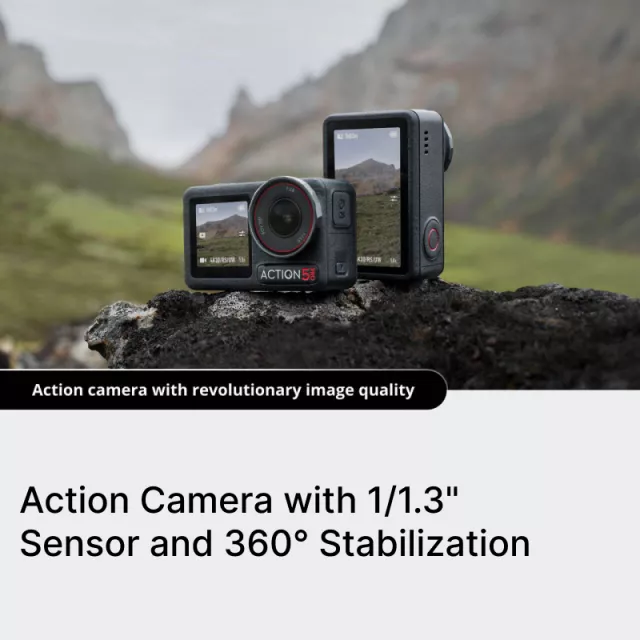
If cinematic movement and versatility matter most, a modern 360 action camera with excellent stabilization can be a standout choice—especially for dynamic scenes where you want to “find the shot” later by reframing. This approach is popular for adventure cinematography because it reduces the pressure to perfectly aim the camera in the moment while still producing smooth, dramatic motion.
To see how sensor size, 360 capture, and stabilization work together for adventure filmmaking—and what to look for when choosing a camera—visit this guide: https://originzerostores.com/guide-1-1-3-sensor-360-stabilization-adventure-filming/.
For Best Action Camera for Cinematic Footage: What to Look For, the best answer depends on fit, material, care instructions, and how the product will be used day to day.
Checking those details first helps avoid a poor match and keeps the choice practical after delivery.
FAQ
What settings make action camera footage look cinematic?
Use a consistent frame rate (often 24fps), a controlled shutter speed when possible, and a flat/LOG-style color profile if available. Stabilize movement and plan for color grading to keep skin tones and highlights natural.
Recommended for you








Leave a comment