Which action camera has the best sensor?
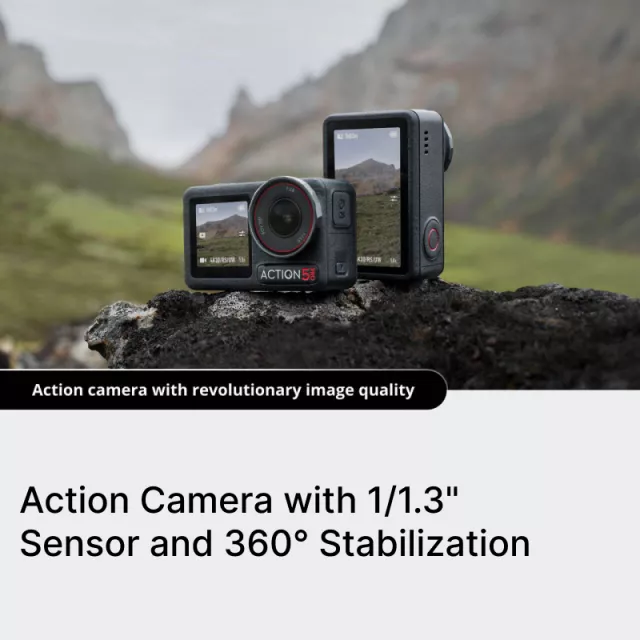
If “best sensor” means the largest, most capable imaging chip in a mainstream action camera, models built around a 1/1.3-type sensor typically lead the pack. Right now, that puts cameras like the DJI Osmo Action 4 (and similar 1/1.3-sensor competitors) at the top of the conversation for overall sensor-driven image quality—especially in mixed lighting and low light.
Why that matters: a larger sensor can capture more light per frame, which usually translates to cleaner shadows, less noise, and more usable detail when you’re filming at dawn, dusk, indoors, or under trees. It can also give highlights (like bright skies or reflective water) a bit more breathing room, reducing the “blown out” look in challenging scenes.
How to judge “best” beyond size
Sensor size is a great shortcut, but the final image depends on the whole pipeline: lens quality, stabilization, bit rate, HDR handling, and color processing. Two cameras with similar sensor sizes can still look very different in real footage—one might preserve skin tones better, while another keeps more detail in fast-moving scenes.
Who benefits most from the top sensor class
A 1/1.3-type action camera is a strong pick for riders, hikers, and travel shooters who film in changing light and want less grain without leaning heavily on artificial lighting. If most clips are in bright midday sun, a smaller-sensor action cam can still look excellent—so “best” can also mean the best match for where and how you shoot.
For a deeper breakdown of sensor sizes (including 1/1.3), stabilization, and what those specs mean for real-world adventure filming, visit this guide on 1/1.3 sensors, 360 stabilization, and adventure filming.
FAQ
What does 1/1.3-inch sensor mean on an action camera?
It’s a sensor-format label that indicates a relatively large sensor for an action camera, generally improving low-light performance and noise control. The number isn’t a literal diagonal measurement, but it’s still useful for comparing sensor classes across models.
Recommended for you








Leave a comment