What is the difference between porcelain and ceramic vases?
Porcelain and ceramic vases are both made from clay and fired in a kiln, but they differ in the clay body, firing temperature, and the look and feel you get in the finished piece. In everyday shopping, “ceramic” is often used as a broad category, while “porcelain” is a specific type within it.
Porcelain: finer, denser, and typically more refined
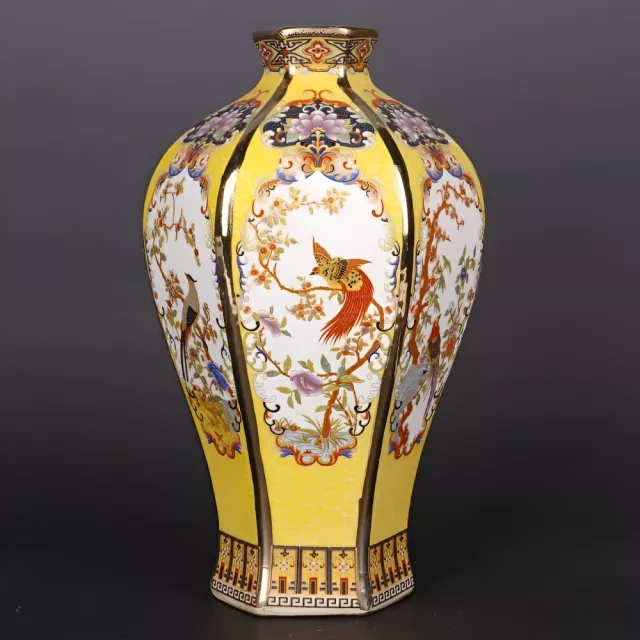
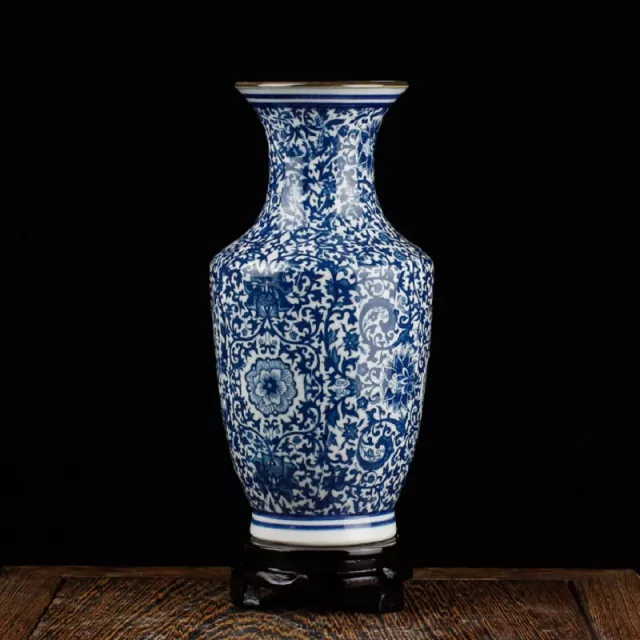
Porcelain is made from very fine clay (often kaolin-based) and fired at higher temperatures. That extra heat vitrifies the body, making it denser and less porous. Many porcelain vases feel smoother, sound a bit “ringier” when lightly tapped, and can have crisp edges and delicate details. Depending on thickness and glaze, porcelain may appear slightly translucent when held up to strong light.
Ceramic: a wider range of styles and finishes
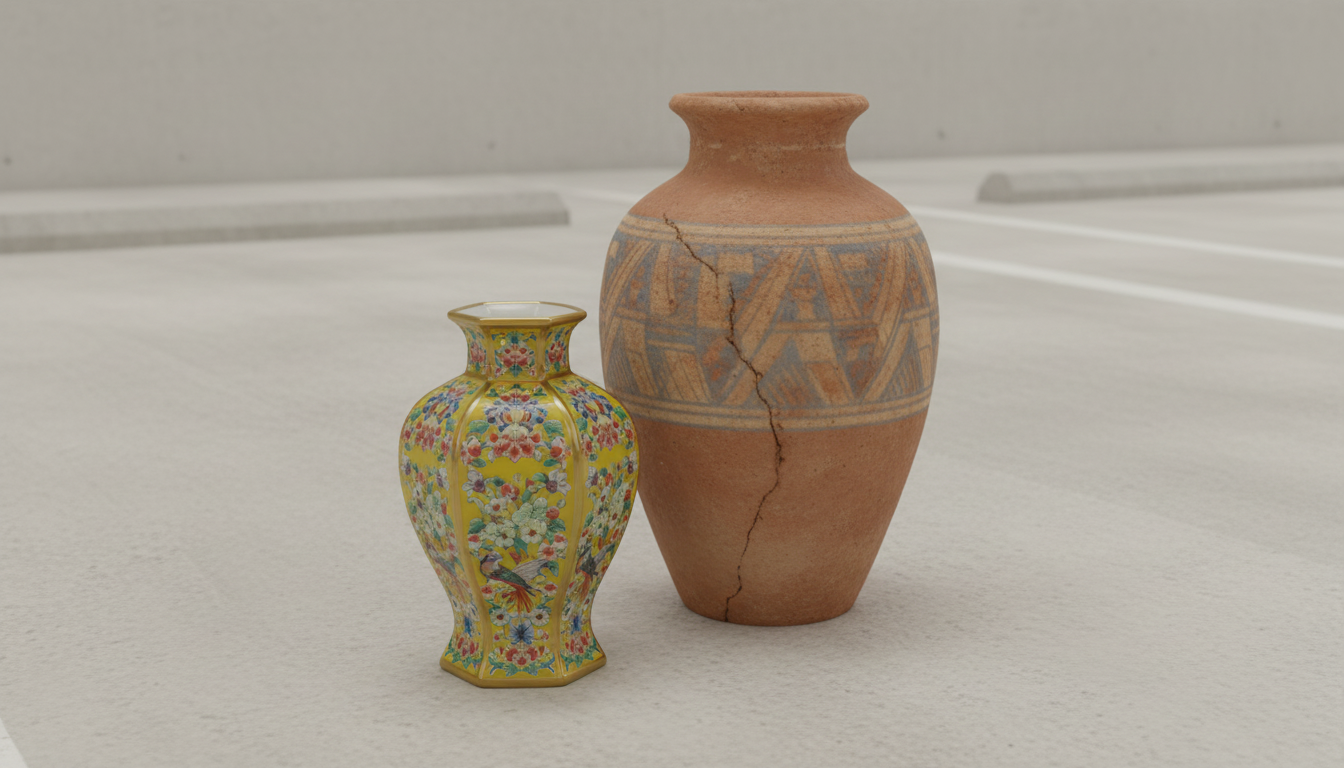
Ceramic vases usually refer to earthenware or stoneware. Earthenware fires at lower temperatures and is more porous unless well-glazed, which can contribute to a warmer, more rustic character. Stoneware is fired hotter than earthenware and is typically quite sturdy, with a heavier, more grounded feel. Ceramics often showcase expressive glazing, hand-thrown textures, and a broader spectrum of artisanal finishes.
Which is better for decorating?
Neither is universally “better”—it depends on the room and the vibe. Porcelain tends to suit polished, classic, or minimalist interiors where clean lines and a refined surface stand out. Ceramic (especially stoneware) can be ideal for cozy, organic, or eclectic spaces where texture and glaze variation add depth.
For more context on styles, eras, and decorating ideas, visit the full guide: https://originzerostores.com/guide-antique-ceramic-vases-timeless-living-room-styling/.
For Porcelain vs Ceramic Vases: Key Differences Explained, the best answer depends on fit, material, care instructions, and how the product will be used day to day.
FAQ
How do I tell if a vase is antique?
Look for maker’s marks, signs of age in the glaze (like fine crazing), and wear on the base from years of handling. Provenance, consistent period styling, and professional appraisal can confirm authenticity.
Recommended for you









Leave a comment