What is the best affordable refractor telescope?
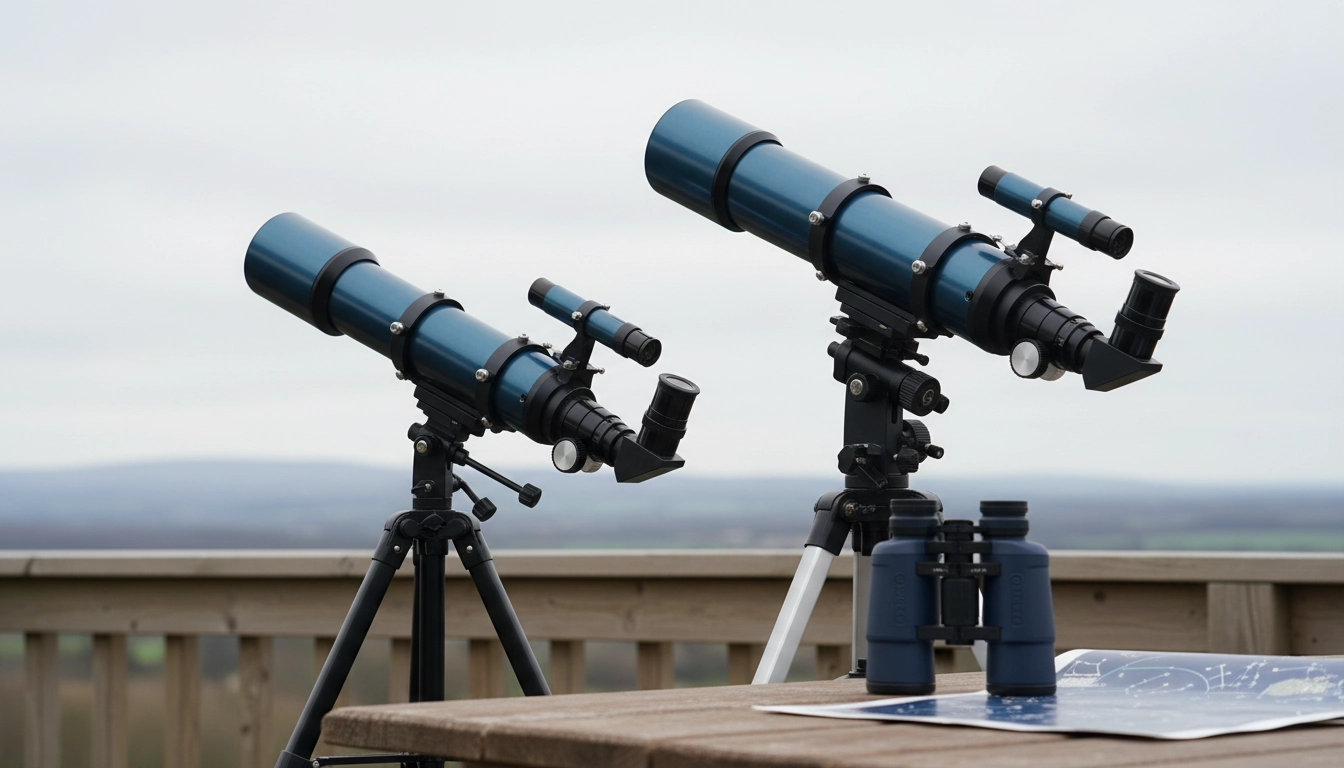
The best affordable refractor telescope is typically a 70mm–80mm achromatic refractor on a stable mount, because it balances sharp views, easy setup, and real-world portability without the price jump of premium glass. In practice, the “best” choice comes down to the mount first (wobbly mounts ruin views), then aperture, then optics/coatings.
For most beginners shopping on a budget, an 80mm refractor is the sweet spot: it gathers enough light for the Moon, planets, and brighter deep-sky targets while staying compact and forgiving to use. If cost is the top priority, a 70mm refractor can still deliver crisp lunar detail and bright planetary views, but it will feel more limited on faint objects.
What to look for in an affordable refractor
1) Aperture (70–80mm): Bigger is generally better, but not if it forces you onto an unstable mount. An 80mm is a noticeable step up in brightness and resolution over smaller entry models.
2) Focal ratio (often f/7–f/10): Slower refractors (higher f-number) usually show less color fringing and are easier on inexpensive eyepieces—helpful when keeping the whole kit affordable.
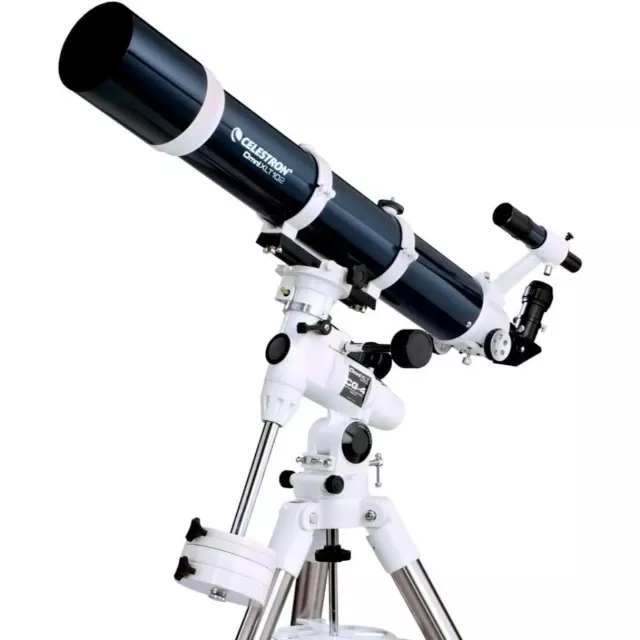
3) Mount quality (alt-az or EQ): A sturdy tripod and smooth motions matter more than fancy features. If you go equatorial, a manual EQ mount can be a great value, especially for learning how the sky moves.
4) Coatings and optical quality: Better coatings can improve contrast and reduce reflections, while decent alignment and consistent figuring keep stars tighter and planetary detail cleaner. For a deeper breakdown of coatings, hand-figured optics, and why a manual EQ mount can be a smart budget pairing, see the full guide here: https://originzerostores.com/guide-hand-figured-refractor-xlt-coatings-manual-eq-mount-guide/.
A practical “best affordable” recommendation
If you want one dependable, budget-friendly refractor setup, choose an 80mm achromatic refractor packaged with a stable tripod and simple, smooth mount. Pair it with one solid mid-power eyepiece for the Moon and planets and one wider eyepiece for sweeping star fields, and you’ll have a setup that gets used often—without constant fiddling.
FAQ
Is an equatorial mount worth it for beginners?
Yes, if it’s stable and smooth. A manual EQ mount can make tracking objects easier once you learn the basics, but an easy alt-az mount can be faster for casual sessions.
Recommended for you









Leave a comment