Is polarized better than 100% UVA UVB protection?
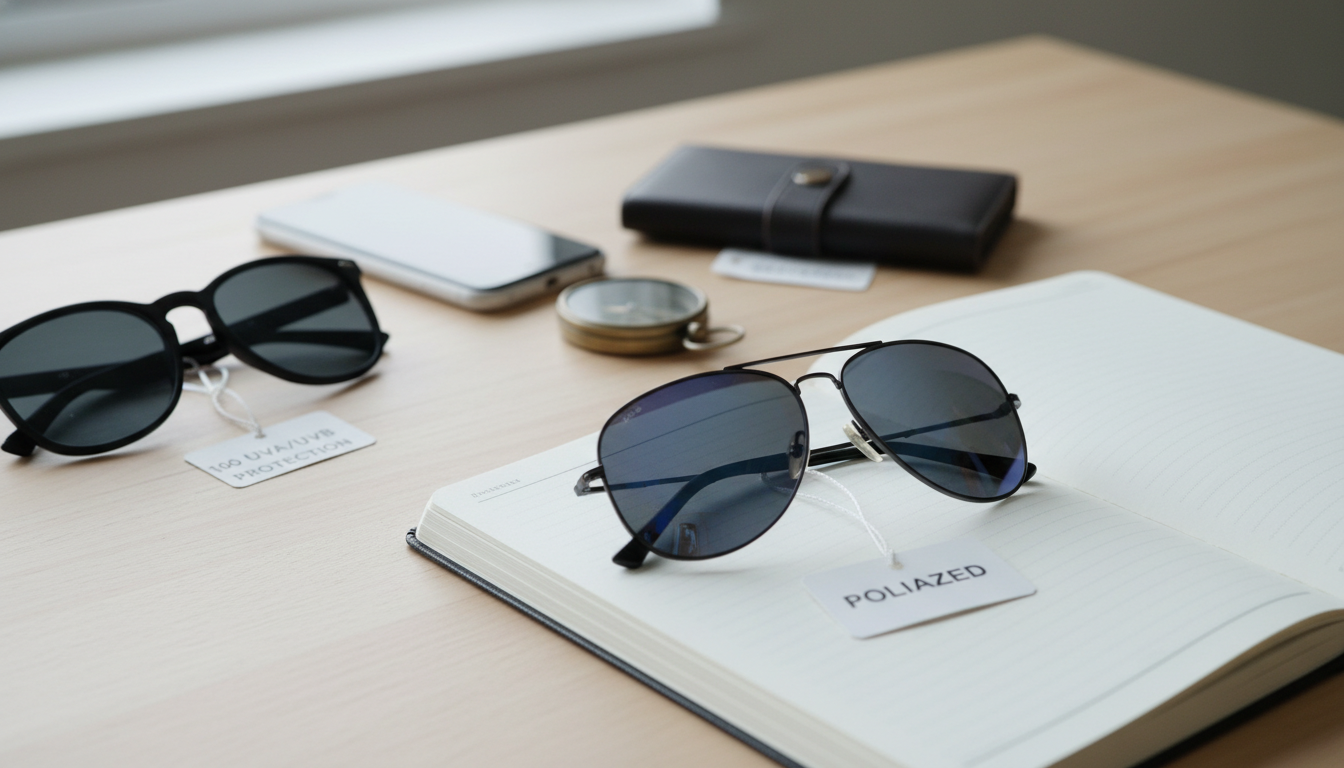
Polarized lenses aren’t “better” than 100% UVA/UVB protection because they do different jobs. 100% UVA/UVB protection shields your eyes from harmful ultraviolet radiation, which is essential for long-term eye health. Polarization reduces harsh glare bouncing off flat surfaces like water, pavement, and snow, making what you see feel more comfortable and clearer in bright conditions.
If choosing only one feature, prioritize 100% UVA/UVB protection—everyday sunglasses should have it. Polarization is an add-on that can make certain activities (driving, fishing, beach days, skiing) easier on your eyes, but it doesn’t replace UV protection.
What polarization actually improves
Polarized lenses include a filter that blocks much of the horizontally reflected light that causes glare. That can help reduce squinting, eye fatigue, and washed-out visuals, especially around reflective environments. Colors and contrast may appear crisper, and you may notice better visibility into water or across bright roads.
What 100% UVA/UVB protection actually improves
UV protection helps reduce UV-related risks such as photokeratitis (sunburned eyes) and contributes to lowering cumulative exposure linked with cataracts and other eye issues. “100% UVA/UVB protection” (often labeled UV400) is about blocking ultraviolet wavelengths—not visible glare—so it’s a baseline feature to verify when shopping.
So which should you buy?
For the best real-world experience, look for sunglasses that offer both: 100% UVA/UVB protection plus polarization. That combination protects your eyes and boosts comfort and clarity when glare is a problem. For a deeper breakdown of UV protection and what to look for on product specs, see this guide on 100% UVA/UVB protection sunglasses.
FAQ
Does 100% UVA UVB mean polarized?
No. 100% UVA/UVB protection means the lenses block ultraviolet radiation, but they may or may not include a polarization filter.
Can sunglasses be both polarized and UV protected?
Yes. Many quality sunglasses combine 100% UVA/UVB protection with polarized lenses, giving both UV safety and glare reduction.
Is UV better than polarized for driving?
UV protection is non-negotiable for any driving sunglasses, but polarization often makes driving more comfortable by cutting road and windshield glare. If possible, choose both.
Recommended for you
Is polarized better than 100% UVA UVB protection?
Polarized lenses aren’t “better” than 100% UVA/UVB protection because they do different jobs. 100% UVA/UVB protection shields your eyes from harmful ultraviolet radiation, which is essential for long-term eye health. Polarization reduces harsh glare bouncing off flat surfaces like water, pavement, and snow, making what you see feel more comfortable and clearer in bright conditions.
If choosing only one feature, prioritize 100% UVA/UVB protection—everyday sunglasses should have it. Polarization is an add-on that can make certain activities (driving, fishing, beach days, skiing) easier on your eyes, but it doesn’t replace UV protection.
What polarization actually improves
Polarized lenses include a filter that blocks much of the horizontally reflected light that causes glare. That can help reduce squinting, eye fatigue, and washed-out visuals, especially around reflective environments. Colors and contrast may appear crisper, and you may notice better visibility into water or across bright roads.
What 100% UVA/UVB protection actually improves
UV protection helps reduce UV-related risks such as photokeratitis (sunburned eyes) and contributes to lowering cumulative exposure linked with cataracts and other eye issues. “100% UVA/UVB protection” (often labeled UV400) is about blocking ultraviolet wavelengths—not visible glare—so it’s a baseline feature to verify when shopping.
So which should you buy?
For the best real-world experience, look for sunglasses that offer both: 100% UVA/UVB protection plus polarization. That combination protects your eyes and boosts comfort and clarity when glare is a problem. For a deeper breakdown of UV protection and what to look for on product specs, see this guide on 100% UVA/UVB protection sunglasses.
FAQ
Does 100% UVA UVB mean polarized?
No. 100% UVA/UVB protection means the lenses block ultraviolet radiation, but they may or may not include a polarization filter.
Can sunglasses be both polarized and UV protected?
Yes. Many quality sunglasses combine 100% UVA/UVB protection with polarized lenses, giving both UV safety and glare reduction.
Is UV better than polarized for driving?
UV protection is non-negotiable for any driving sunglasses, but polarization often makes driving more comfortable by cutting road and windshield glare. If possible, choose both.
Recommended for you
Is polarized better than 100% UVA UVB protection?
Polarized lenses aren’t “better” than 100% UVA/UVB protection because they do different jobs. 100% UVA/UVB protection shields your eyes from harmful ultraviolet radiation, which is essential for long-term eye health. Polarization reduces harsh glare bouncing off flat surfaces like water, pavement, and snow, making what you see feel more comfortable and clearer in bright conditions.
If choosing only one feature, prioritize 100% UVA/UVB protection—everyday sunglasses should have it. Polarization is an add-on that can make certain activities (driving, fishing, beach days, skiing) easier on your eyes, but it doesn’t replace UV protection.
What polarization actually improves
Polarized lenses include a filter that blocks much of the horizontally reflected light that causes glare. That can help reduce squinting, eye fatigue, and washed-out visuals, especially around reflective environments. Colors and contrast may appear crisper, and you may notice better visibility into water or across bright roads.
What 100% UVA/UVB protection actually improves
UV protection helps reduce UV-related risks such as photokeratitis (sunburned eyes) and contributes to lowering cumulative exposure linked with cataracts and other eye issues. “100% UVA/UVB protection” (often labeled UV400) is about blocking ultraviolet wavelengths—not visible glare—so it’s a baseline feature to verify when shopping.
So which should you buy?
For the best real-world experience, look for sunglasses that offer both: 100% UVA/UVB protection plus polarization. That combination protects your eyes and boosts comfort and clarity when glare is a problem. For a deeper breakdown of UV protection and what to look for on product specs, see this guide on 100% UVA/UVB protection sunglasses.
FAQ
Does 100% UVA UVB mean polarized?
No. 100% UVA/UVB protection means the lenses block ultraviolet radiation, but they may or may not include a polarization filter.
Can sunglasses be both polarized and UV protected?
Yes. Many quality sunglasses combine 100% UVA/UVB protection with polarized lenses, giving both UV safety and glare reduction.
Is UV better than polarized for driving?
UV protection is non-negotiable for any driving sunglasses, but polarization often makes driving more comfortable by cutting road and windshield glare. If possible, choose both.
Recommended for you











Leave a comment