Should sunglasses be UVA and UVB?
Yes. Sunglasses should protect against both UVA and UVB rays because they affect your eyes in different ways and exposure adds up over time. UVA rays are present all day and can penetrate deeper into eye tissues, while UVB rays are more intense during peak sun hours and are strongly linked to surface-level damage.
Why both types of protection matter
UV exposure isn’t just a beach-day issue. It happens while driving, walking the dog, sitting near reflective surfaces (water, snow, pavement), or even running errands. Lenses labeled with both UVA and UVB protection help reduce risk of issues tied to cumulative exposure, including cataracts and other sun-related eye damage. Coverage around the eyes also matters—larger lenses and closer fit can reduce light entering from the sides.
What to look for on the label
The simplest standard is “100% UVA/UVB protection” or “UV400.” These indicate the lenses block UV wavelengths up to 400 nanometers, covering both UVA and UVB ranges. Lens darkness alone doesn’t guarantee protection; a dark lens without proper UV filtering can be worse because it may cause your pupils to dilate, letting more UV in.
Does polarization replace UV protection?
No. Polarized lenses reduce glare (helpful near water, on the road, and in bright conditions), but polarization is separate from UV filtering. The best option is sunglasses that are both polarized and rated for 100% UVA/UVB protection.
Choosing a pair that fits your daily use
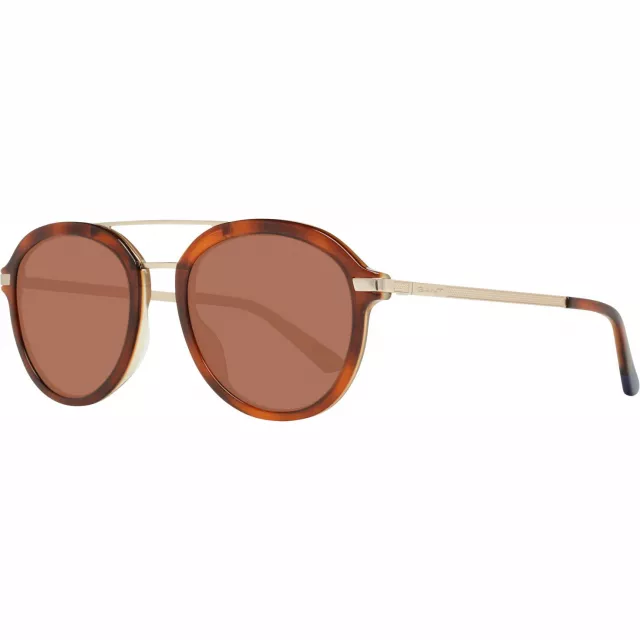
For everyday wear, prioritize certified UV blocking, comfortable fit, and sufficient coverage. If you want a practical example of what to look for in a quality pair, see this guide: Gant Men’s Brown Oval Sunglasses with 100% UVA/UVB Protection.
FAQ
Is 100% UVA UVB protection good?
Yes. It indicates the lenses block both UVA and UVB rays, which is the baseline level of UV defense recommended for sunglasses.
Can sunglasses be 100% UV protection?
Yes. Look for labels stating “100% UV protection,” “100% UVA/UVB,” or “UV400,” which are common ways brands indicate full UV filtering.
Should sunglasses be uva and uvb for driving
Yes. UV exposure happens through windshield and side windows, and proper UVA/UVB protection helps protect your eyes on long commutes and bright days; polarization can further cut road glare.
Recommended for you
Should sunglasses be UVA and UVB?
Yes. Sunglasses should protect against both UVA and UVB rays because they affect your eyes in different ways and exposure adds up over time. UVA rays are present all day and can penetrate deeper into eye tissues, while UVB rays are more intense during peak sun hours and are strongly linked to surface-level damage.
Why both types of protection matter
UV exposure isn’t just a beach-day issue. It happens while driving, walking the dog, sitting near reflective surfaces (water, snow, pavement), or even running errands. Lenses labeled with both UVA and UVB protection help reduce risk of issues tied to cumulative exposure, including cataracts and other sun-related eye damage. Coverage around the eyes also matters—larger lenses and closer fit can reduce light entering from the sides.
What to look for on the label
The simplest standard is “100% UVA/UVB protection” or “UV400.” These indicate the lenses block UV wavelengths up to 400 nanometers, covering both UVA and UVB ranges. Lens darkness alone doesn’t guarantee protection; a dark lens without proper UV filtering can be worse because it may cause your pupils to dilate, letting more UV in.
Does polarization replace UV protection?
No. Polarized lenses reduce glare (helpful near water, on the road, and in bright conditions), but polarization is separate from UV filtering. The best option is sunglasses that are both polarized and rated for 100% UVA/UVB protection.
Choosing a pair that fits your daily use
For everyday wear, prioritize certified UV blocking, comfortable fit, and sufficient coverage. If you want a practical example of what to look for in a quality pair, see this guide: Gant Men’s Brown Oval Sunglasses with 100% UVA/UVB Protection.
FAQ
Is 100% UVA UVB protection good?
Yes. It indicates the lenses block both UVA and UVB rays, which is the baseline level of UV defense recommended for sunglasses.
Can sunglasses be 100% UV protection?
Yes. Look for labels stating “100% UV protection,” “100% UVA/UVB,” or “UV400,” which are common ways brands indicate full UV filtering.
Should sunglasses be uva and uvb for driving
Yes. UV exposure happens through windshield and side windows, and proper UVA/UVB protection helps protect your eyes on long commutes and bright days; polarization can further cut road glare.
Recommended for you
Should sunglasses be UVA and UVB?
Yes. Sunglasses should protect against both UVA and UVB rays because they affect your eyes in different ways and exposure adds up over time. UVA rays are present all day and can penetrate deeper into eye tissues, while UVB rays are more intense during peak sun hours and are strongly linked to surface-level damage.
Why both types of protection matter
UV exposure isn’t just a beach-day issue. It happens while driving, walking the dog, sitting near reflective surfaces (water, snow, pavement), or even running errands. Lenses labeled with both UVA and UVB protection help reduce risk of issues tied to cumulative exposure, including cataracts and other sun-related eye damage. Coverage around the eyes also matters—larger lenses and closer fit can reduce light entering from the sides.
What to look for on the label
The simplest standard is “100% UVA/UVB protection” or “UV400.” These indicate the lenses block UV wavelengths up to 400 nanometers, covering both UVA and UVB ranges. Lens darkness alone doesn’t guarantee protection; a dark lens without proper UV filtering can be worse because it may cause your pupils to dilate, letting more UV in.
Does polarization replace UV protection?
No. Polarized lenses reduce glare (helpful near water, on the road, and in bright conditions), but polarization is separate from UV filtering. The best option is sunglasses that are both polarized and rated for 100% UVA/UVB protection.
Choosing a pair that fits your daily use
For everyday wear, prioritize certified UV blocking, comfortable fit, and sufficient coverage. If you want a practical example of what to look for in a quality pair, see this guide: Gant Men’s Brown Oval Sunglasses with 100% UVA/UVB Protection.
FAQ
Is 100% UVA UVB protection good?
Yes. It indicates the lenses block both UVA and UVB rays, which is the baseline level of UV defense recommended for sunglasses.
Can sunglasses be 100% UV protection?
Yes. Look for labels stating “100% UV protection,” “100% UVA/UVB,” or “UV400,” which are common ways brands indicate full UV filtering.
Should sunglasses be uva and uvb for driving
Yes. UV exposure happens through windshield and side windows, and proper UVA/UVB protection helps protect your eyes on long commutes and bright days; polarization can further cut road glare.
Recommended for you










Leave a comment