What age can a baby use a silicone feeder?
Most babies can start using a silicone feeder around 6 months of age, when they’ve begun solid foods and can sit with support and bring objects to their mouth. This timing lines up with typical readiness signs for introducing soft tastes and textures while lowering the risk of large pieces of food getting into the mouth.
Best age range to start (and why it matters)
A silicone feeder is designed to let babies explore flavors by sucking and gnawing on food held inside a small silicone pouch. Starting too early (before solids readiness) can frustrate babies and increase gagging. Starting around 6 months works well because babies usually have better head and neck control and more coordinated oral skills.
Signs your baby is ready
Age is only part of the decision. A baby is typically ready for a silicone feeder when they can hold their head up steadily, sit with minimal support, and show interest in food. It also helps if they can grasp the handle and bring it to their mouth on their own.
How to use a silicone feeder safely
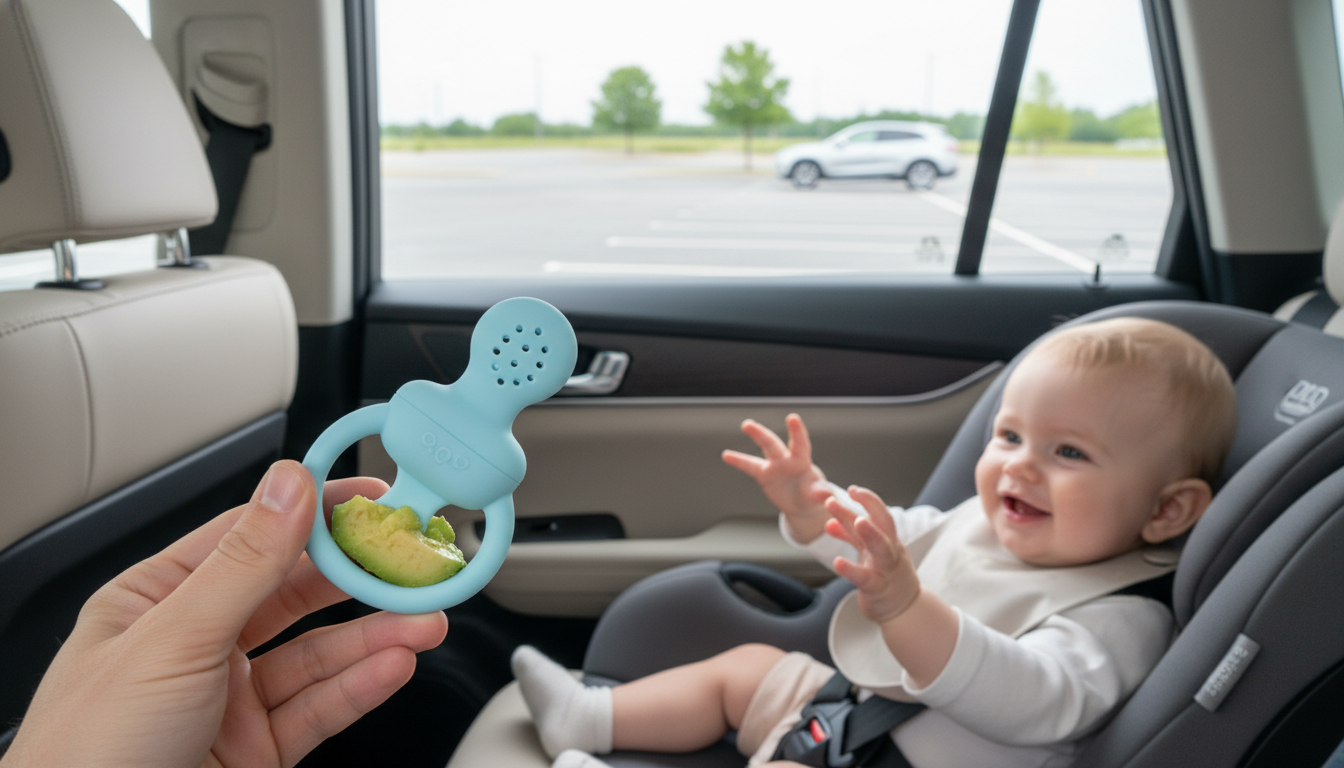
Always supervise use and offer appropriately soft foods at first. Good starter options include ripe banana, steamed apple or pear, very soft avocado, or thawed fruit (for a cool, soothing option during teething). Avoid hard items and anything that could become a choking hazard if it breaks into chunks.
Keep the feeder clean and check it before each use for tears or damage. If the silicone pouch is worn or cracked, replace it. For a deeper walkthrough on choosing and using a set with a cover, see the main guide here: 5pcs Silicone Baby Fruit Feeder Set with Cover.
When to wait or ask your pediatrician
If your baby was born premature, has known swallowing or oral-motor concerns, or isn’t yet showing signs of solid-food readiness, it’s smart to check with your pediatrician before introducing a feeder. The same goes if gagging is frequent or intense even with very soft foods.
FAQ
What foods can you put in a silicone baby feeder?
Start with very soft foods like ripe banana, steamed apple/pear, avocado, or thawed berries. Avoid hard raw fruits/vegetables, nuts, chunks of meat, or anything sticky that’s difficult to clean out of the pouch.
Recommended for you









Leave a comment