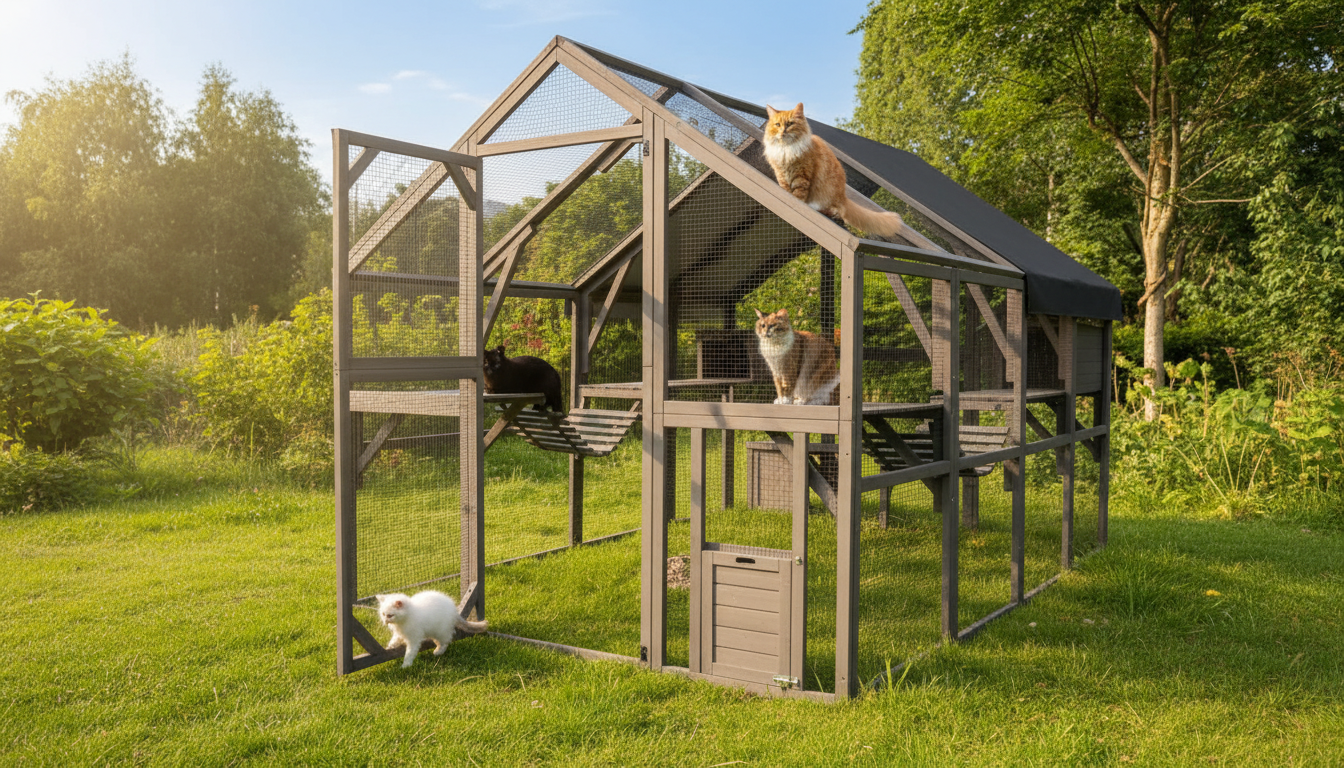
Outdoor cats and patio loungers do best with a shelter that stays dry, blocks wind, and offers a perch above the ground. An extra-large outdoor cat house with built-in platforms and a waterproof cover supports natural behaviors—resting, observing, and hiding—while helping reduce exposure to rain, cold surfaces, and drafts. The result is a setup that feels more like “home base” than a temporary box, especially in unpredictable weather. For more guidance, see Community Cat Shelter Options Gallery.
What Makes This Style of Outdoor Cat House Different
This design combines three practical upgrades—space, height, and weather resistance—so the shelter works in more real-life situations. For further reading, see Best Outdoor Cat Enclosures and Catios for 2026: Top 10 Safe Picks ….
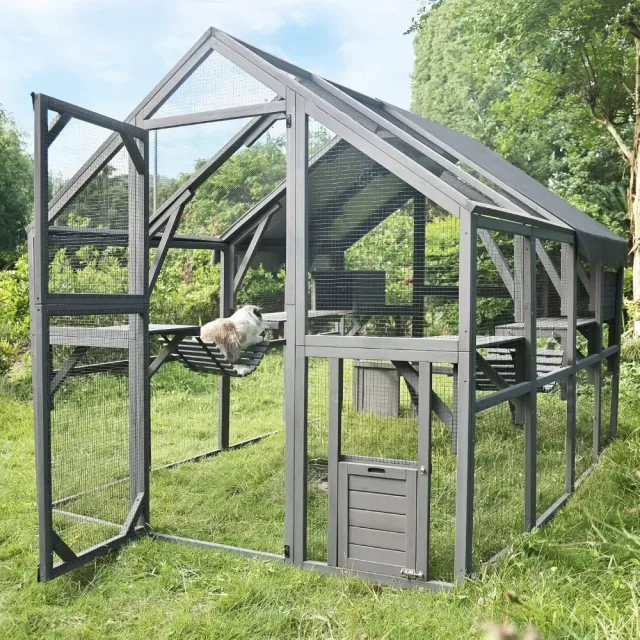
- Extra-large footprint: Gives bigger cats room to stretch, supports multiple cats, and reduces crowding that can make shy cats avoid using the shelter.
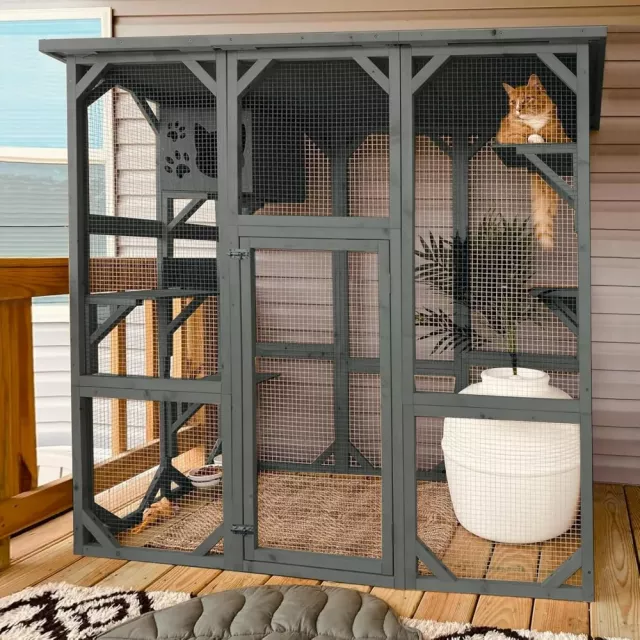
- Platforms for vertical separation: Cats often relax faster when they can choose a higher spot to watch their surroundings rather than committing to an enclosed cubby right away.
- Waterproof cover: Helps shed rain and reduces moisture that can quickly turn bedding cold and clammy.
- More enclosed resting zones: A protected interior encourages settling while buffering wind and sudden movement.
- Raised surfaces: Keeping lounging areas off damp ground can also discourage pests and reduce heat loss to cold soil or concrete.
Platforms: Why Height Matters Outdoors
Height isn’t just a “cat tree” luxury outside—it can be the difference between a cat using the shelter daily or ignoring it.
- Lower stress through visibility: A perch provides a vantage point and a clearer escape route, which helps cautious cats feel less trapped.
- Better sharing for multi-cat homes: One cat can rest inside while another watches from above, reducing tension and guarding behavior.
- Drier than ground-level: In wet yards, an elevated surface can stay drier than a floor sitting near runoff or wet grass.
- Works for different mobility levels: Older cats often prefer lower, wider platforms; athletic cats may favor higher tiers for observing birds and passersby.
- Safer step-up spacing: Platform spacing should allow an easy step up (not a leap), particularly for seniors, larger breeds, or cats with stiff joints.
Waterproof Cover: What to Look For in Real Weather
A waterproof cover is most helpful when it’s designed for wind and rain patterns—not just a light drizzle.
- Overhangs and runoff control: A cover should direct rain away from seams and openings; an overhang helps keep the entryway drier.
- Less flapping, less fear: A tighter fit reduces flapping and loud snaps in gusts, which can deter nervous cats from approaching.
- Secure fasteners: Look for multiple fastening points so the cover stays put during storms and seasonal wind.
- Waterproof isn’t insulation: Moisture control matters, but warmth depends on wind protection, bedding choice, and an appropriately sized interior.
- Monitor pooling: After heavy rain, check for pooling water on top and adjust placement to improve drainage.
For cold-weather shelter fundamentals—especially wind blocking and keeping interiors dry—see guidance from the Humane Society of the United States.
Where to Place an Outdoor Cat House for Best Use
Placement determines whether a shelter stays dry, feels safe, and gets used consistently.
- Pick a naturally sheltered spot: Under an awning, near a wall, or beside a fence to cut wind exposure.
- Face away from prevailing wind: Position the entrance to avoid driving rain when possible.
- Reduce ground moisture: Elevate the base slightly or set it on pavers so damp ground doesn’t wick moisture upward.
- Avoid disturbances: Keep it away from sprinklers, high foot traffic, barking zones, and loud mechanical noise.
- Leave a clear approach path: Cats are more likely to enter when they don’t feel cornered or forced to squeeze past obstacles.
How to Choose the Right Size and Layout
An outdoor cat house should feel roomy enough to settle, but not so oversized that it becomes drafty and hard to warm with body heat.
Quick Fit Guide for Outdoor Cat Houses with Platforms
| Situation |
Recommended space and features |
Placement and add-ons |
| One medium cat |
Room to turn around; 1 platform for lounging |
Place in shade; add washable pad |
| Large cat or long-bodied breed |
Extra-large interior; wide, stable platforms |
Avoid steep steps; use low-rise access |
| Two cats sharing |
Extra-wide interior; at least 2 distinct resting spots |
Two bedding zones; keep entry path unobstructed |
| Rainy climate |
Waterproof cover with overhang; draft-reducing entry |
Set on pavers; angle away from wind-driven rain |
| Cold nights |
Snug interior plus platform; bedding that stays dry |
Add straw (not fabric blankets) and block ground drafts |
For additional outdoor shelter bedding and setup considerations, consult Alley Cat Allies.
Care, Cleaning, and Seasonal Maintenance
Common Setup Mistakes to Avoid
FAQ
Is a waterproof cover enough to keep a cat warm outdoors?
A waterproof cover helps prevent dampness, but warmth depends on shelter size, wind blocking, placement, and bedding. Use weather-appropriate bedding and position the house in a protected spot to reduce drafts and heat loss.
What bedding works best for an outdoor cat house in wet or cold weather?
Moisture-resistant bedding is typically best in wet or cold conditions, and many outdoor shelter setups use straw because it’s less likely to stay damp than absorbent fabrics. Check bedding often and replace it right away if it becomes wet.
How do platforms help cats feel safer outside?
Platforms give cats a higher vantage point to observe their surroundings and an easier retreat option if something startles them. They also help multiple cats share space and keep resting areas farther from damp ground.
Recommended for you









Leave a comment