Outdoor Large Mushroom Tent: Windproof, Portable, Automatic Family Camping Shelter
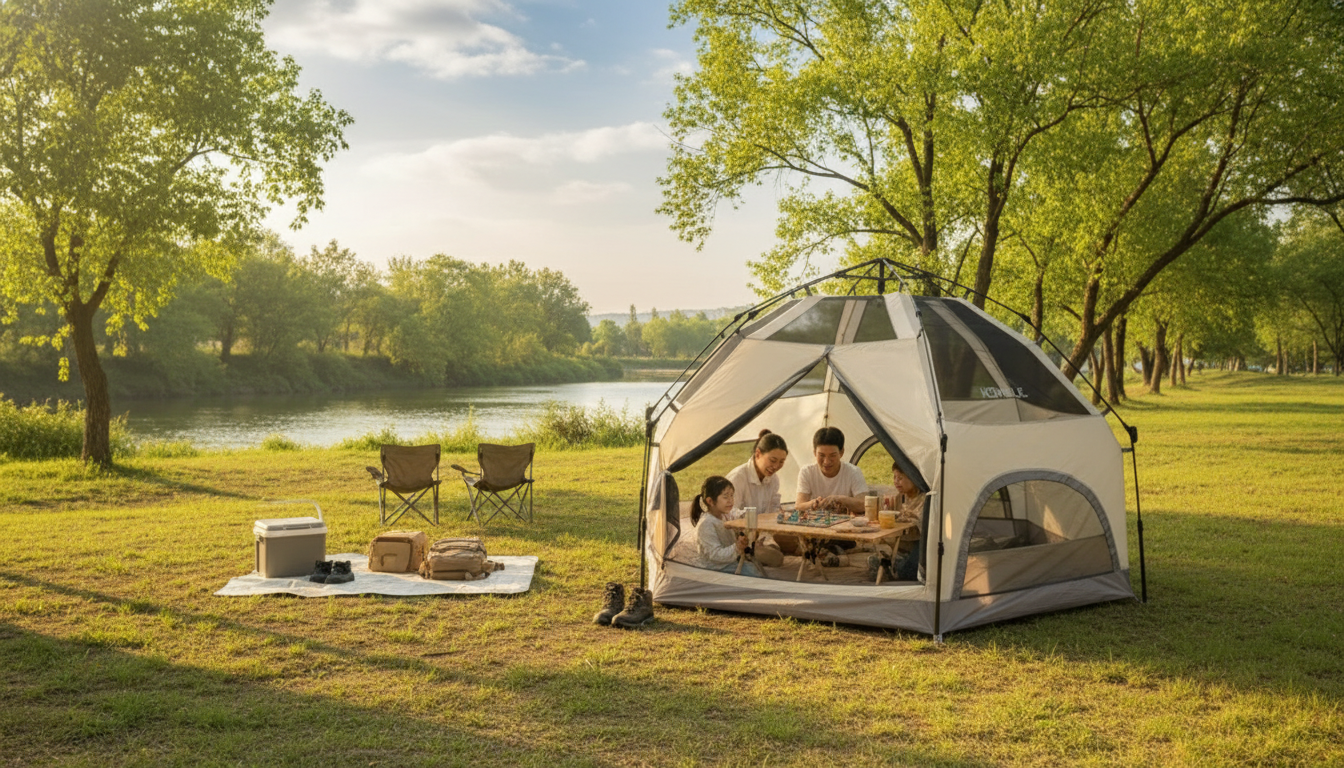
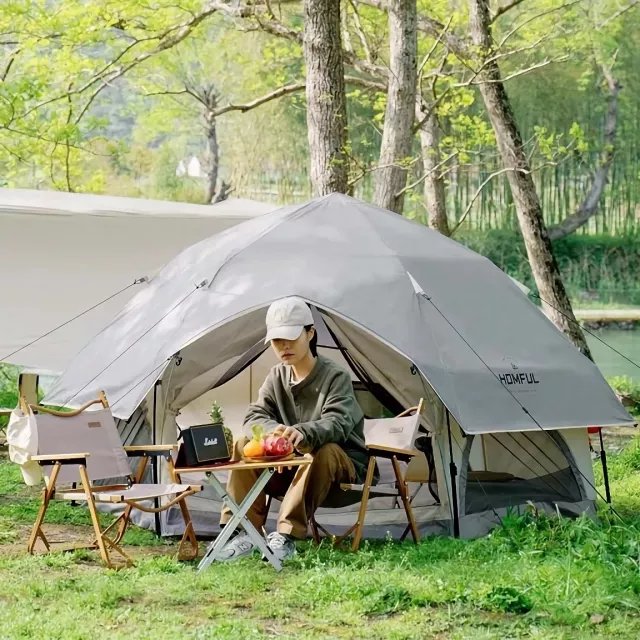
A mushroom-style tent is built around a roomy, dome-like profile that feels open inside while staying stable when weather turns. For family camping, that “big but balanced” shape can be a sweet spot: comfortable headroom, efficient use of floor space, and a structure that can handle gusts better than tall, flat-sided shelters—especially when it’s fully anchored. Below is a practical guide to picking a wind-ready, automatic setup family shelter, pitching it confidently, staying comfortable through rain and heat, and keeping it performing trip after trip.
What a Mushroom-Style Family Tent Is Best For
- Family base-camp weekends where standing/sitting room matters more than ultralight packing
- Windy campgrounds where a stable shape and secure anchoring make a noticeable difference
- Quick overnight stops that benefit from an automatic or fast-setup frame
- Mixed-use trips: backyard sleepovers, festivals, beach days, and car camping
Best-fit scenarios at a glance
| Scenario |
Why it fits |
Tip |
| Windy ridge or lakeside campsite |
Stability and strong staking matter most |
Use all guylines and stake points even in mild wind |
| Family campground stay |
More livable interior space |
Add a groundsheet to reduce floor wear |
| Festival or event shelter |
Fast setup and easy repacking |
Bring extra stakes for hard-packed soil |
Key Features That Improve Comfort and Stability
- Wind handling: prioritize multiple guy-out points, reinforced stake loops, and a profile that sheds gusts rather than catching them.
- Automatic setup: confirm how the frame locks, how many steps it takes, and whether one person can pitch it safely without wrestling spring tension.
- Family sizing: look at usable floor area and headroom; ensure the layout supports sleeping plus bags and shoes inside without blocking exits.
- Weather protection: check rainfly coverage, whether seams arrive taped/sealed, bathtub floor height, and zipper storm flaps on doors.
- Ventilation: roof vents, mesh panels, and two-way doors help manage condensation on cool nights.
- Portability: for car camping, packed length and a durable carry bag often matter more than shaving ounces.
Feature checklist
| Feature |
What to check |
Why it matters |
| Guylines and anchor points |
Quantity, placement, and adjusters |
Reduces flapping and helps the tent hold its shape |
| Zippers and doors |
Smooth pulls, storm flap, snag resistance |
Improves usability and keeps drafts/bugs out |
| Ventilation openings |
High + low vents, mesh coverage |
Limits condensation and keeps air moving |
| Floor edge (bathtub) |
Height of the floor wall and corner sealing |
Helps prevent splashback and minor runoff entry |
How to Choose the Right Mushroom Tent for a Family (No-Stock Buying Guide)
When shelves are shifting or models sell out, the fastest path is evaluating specs and construction features that predict real-world comfort.
- Choose capacity with margin: many “4-person” tents feel best for 2–3 with gear; a “6-person” is often more comfortable for a small family.
- Decide on setup style: automatic hubs are quick, but confirm folded size for your trunk and consider whether replacement parts are available if a joint bends.
- Prioritize wind security: pick multiple guy-out points, then plan on stronger stakes for sand, snow, or rocky soil.
- Match climate needs: hot/humid trips benefit from more mesh and roof vents; shoulder seasons benefit from a fly that closes down while still venting.
- Check livability: door placement, any vestibule/shoe space, and whether adults can sit up without touching walls (less wet fabric contact when condensation forms).
- Plan accessories: footprint/groundsheet, extra guylines, pole repair sleeve/tape, and a small brush for zipper grit.
Quick selection table
| If the trip is mostly… |
Prioritize… |
Avoid… |
| Windy open areas |
More guy points, sturdy stakes, lower-sail profile |
Skipping guylines or using tiny stakes |
| Wet weather seasons |
Full-coverage rainfly, sealed corners, high bathtub floor |
Large unprotected mesh panels in heavy wind-driven rain |
| Hot summer camping |
High airflow vents, large mesh, shade strategy |
Overly sealed designs with minimal venting |
Setup and Anchoring: A Wind-Ready Pitch
Stake and guyline basics
| Item |
How to use |
Common mistake |
| Stake |
Insert at an angle away from the tent; leave a small exposed hook |
Vertical placement that pulls loose in wind |
| Guyline |
Tension until fabric is firm but not distorted |
Over-tightening that bends poles or warps seams |
| Rainfly |
Center and clip evenly before final tension |
Uneven fly tension that causes flapping noise |
Rain, Condensation, and Warm-Weather Management
For severe weather planning, follow local forecasts and alerts; the National Weather Service outdoor safety guidance is a solid reference for thunderstorms and hazardous conditions.
Care, Storage, and Field Repairs
Camping impacts add up—packing out micro-trash and minimizing campsite scarring helps keep sites open and enjoyable. The Leave No Trace Seven Principles are a quick refresher before busy weekends.
What to Pack for a More Comfortable Family Camp
Specifications to Confirm Before Purchasing
FAQ
How windproof is a mushroom-style tent in real use?
Wind performance depends heavily on site choice, pointing the strongest panel into the wind, and using every stake point and guyline. “Windproof” still has limits—avoid exposed areas during severe storms and follow official warnings.
Can one person set up an automatic family tent?
Often yes: lay it out, extend/lock the hub or frame, stake corners, then add the rainfly and guylines. A second person helps most in strong wind or with larger footprints, mainly to prevent the frame from catching a gust during setup.
How can condensation be reduced in a large tent?
Use roof vents and create crossflow with a leeward opening when conditions allow, and keep wet gear out of the sleeping area. A groundsheet reduces moisture rising from saturated soil, and avoiding cooking inside helps keep humidity down.
Recommended for you










Leave a comment