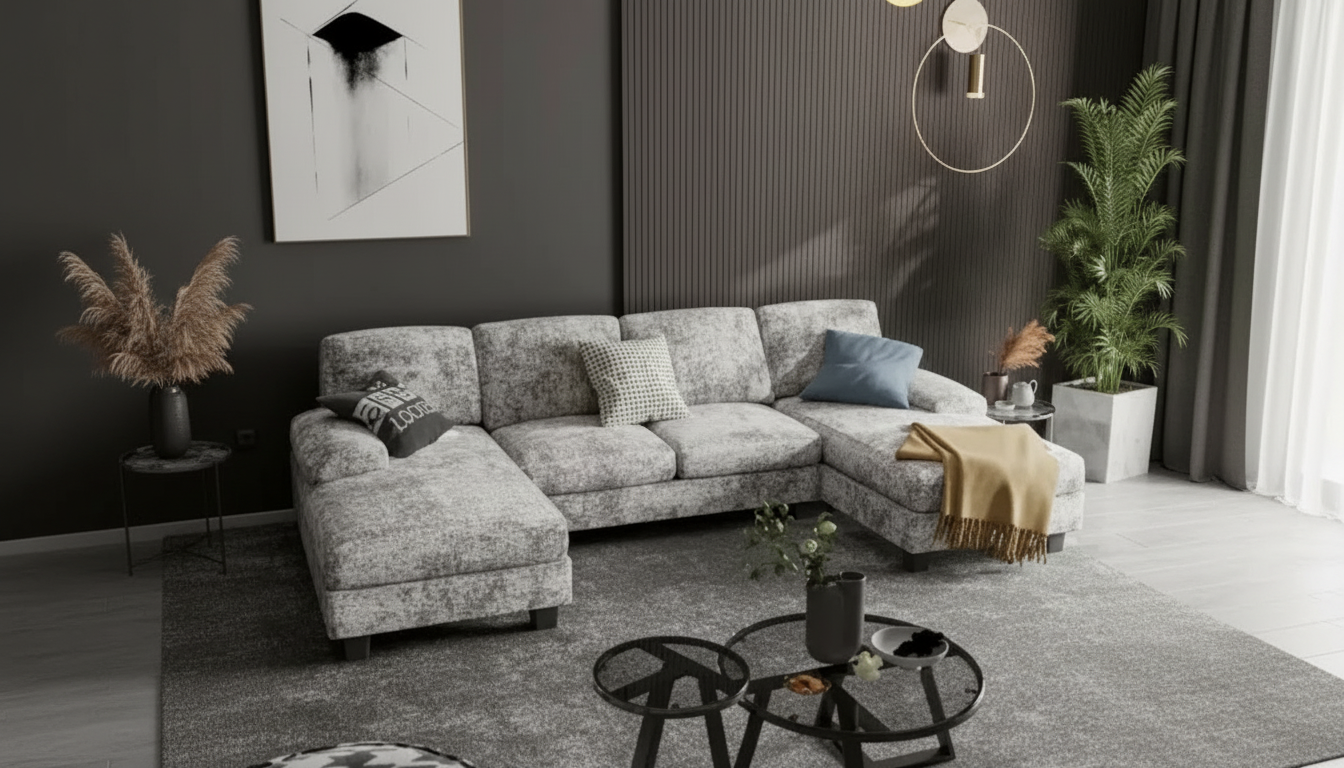
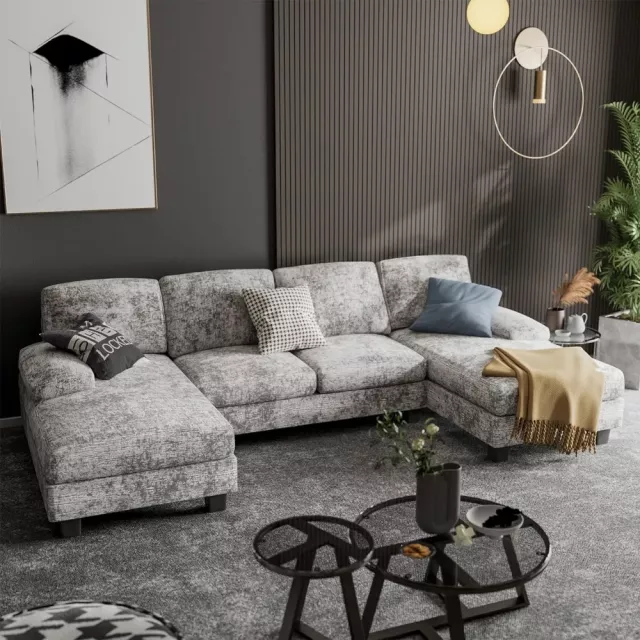
A modern U-shaped sectional with a double chaise is built for stretching out, hosting, and adapting to changing room layouts. It brings lounge-level comfort into everyday living spaces while keeping a clean, contemporary profile. The difference-maker is fit: choosing the right size, orientation, upholstery, and conversion details so the sectional supports real life—movie nights, guests, naps, and everything between—without overwhelming the room.
What Makes a U-Shaped Convertible Sectional with Double Chaise Different
A U-shaped sectional creates a natural “gathering pocket” that encourages conversation and helps anchor open-plan rooms. With two chaise lounges, it also solves the classic “best seat” problem by giving more than one person room to kick their feet up at the same time.
The “convertible” part typically means the configuration can be changed—reversible chaises, modular pieces, or reconfigurable sections that let the sofa adapt when you rearrange furniture or move to a new home. In many living rooms, a 4-seater U-shape hits a practical sweet spot: enough lounge space to feel indulgent, with a footprint that can still work in apartments and family rooms.
Room Fit and Layout Planning
Before choosing a U-shaped sectional, measure the wall-to-wall width and depth of the intended area, including baseboards and door trim. A few inches matter—especially when you’re trying to preserve walkways around the chaise ends and the open side of the “U.”
Map pathways next. Keep comfortable clearance from sofa edges to doors, hallways, and main traffic lanes so people can pass through without brushing the upholstery. Decide whether the sectional will “float” in the center of the room or sit along walls. Floating layouts often look more intentional when a rug defines the seating zone and visually connects the U shape.
Finally, confirm access. U-shaped sectionals are often delivered in multiple pieces, but the largest section still needs to fit through entry doors, stairwells, elevators, and tight turns.
Quick Layout Checklist
| Item to Verify |
Why It Matters |
How to Check |
| Overall footprint |
Prevents overcrowding and blocked walkways |
Tape the outline on the floor using painter’s tape |
| Chaise direction(s) |
Ensures the lounges face the right side for TV, windows, and traffic |
Stand in the room and simulate lounging sightlines |
| Door and drawer swing |
Avoids collisions with doors, cabinets, and media consoles |
Open nearby doors fully and note clearance zones |
| Delivery path |
Reduces risk of failed delivery or damage |
Measure narrowest doorway and hallway turns |
Comfort and Support: What to Look For
Comfort is more than “soft vs. firm.” It’s a combination of seat depth, seat height, cushion construction, and back support—each influencing how the sectional feels during a quick sit and a long weekend lounge.
- Seat depth: Deeper seats feel lounge-ready and invite curling up. Slightly shallower seats can be better for upright sitting and for shorter legs that need solid foot contact with the floor.
- Seat height: A moderate seat height typically makes standing up easier without feeling perched. If multiple household members have different preferences, this can be the compromise factor.
- Cushion fill: Higher-resilience foam often holds shape longer and provides consistent support. Softer fills can feel plush but may require more fluffing and can show compression sooner in favorite spots.
- Back support: Structured back cushions can encourage straighter posture, while pillow-style backs feel relaxed and sink-in cozy—especially for movie nights.
Materials and Durability for Everyday Use
- Upholstery: Durable weaves and easy-clean options are helpful if pets, kids, or entertaining are part of the routine. Texture can be forgiving for everyday use, while smoother fabrics may show wear or marks more easily depending on color.
- Frame: Kiln-dried hardwood or well-made engineered wood can improve stability and longevity when the construction is solid. For general furniture guidance and labeling context, see the FTC Guides for the Household Furniture Industry.
- Suspension: Sinuous springs and webbing can feel different under the same cushion. A balanced suspension helps reduce sagging and supports weight distribution across the U shape.
- Legs and clearance: Raised legs make it easier to vacuum under the sofa; low-profile bases look sleek but can collect dust—especially along the inside curve of the U.
For broader industry standards and resources, the American Home Furnishings Alliance (AHFA) is a useful reference point.
Convertible and Reversible Features to Prioritize
How to Choose the Right U-Shaped Double Chaise Sectional
Finally, balance comfort with maintenance. Plush, sink-in cushions feel inviting but may need more upkeep to maintain shape. Slightly firmer cushions often look neater over time. If furniture safety is a concern in a busy household, review guidance from the U.S. Consumer Product Safety Commission (CPSC) regarding stable setups and safe home environments.
Styling Ideas for a Modern U-Shaped Sectional
Care and Cleaning Basics
FAQ
Will a U-shaped sectional with double chaise fit in a small living room?
It can, as long as the usable floor space still allows comfortable walking clearance. Tape the sectional’s footprint on the floor to confirm pathways, and consider a more compact 4-seater U-shape or modular pieces that can be spaced to fit.
What’s the difference between a reversible chaise and a fixed chaise?
A reversible chaise can be swapped to the left or right side by reconfiguring the sections, while a fixed chaise is built for one specific orientation. If flexibility matters, also check how the pieces lock together so the layout stays stable after rearranging.
How can fabric on a sectional be kept looking new with pets or kids?
Choose durable, easy-clean upholstery when possible, vacuum regularly, and blot spills quickly instead of rubbing. Removable or washable covers (when available) and throws in high-contact zones can also reduce visible wear.
Recommended for you









Leave a comment