Sturdy Dog Crate with a Lockable Door: Safe Confinement for Home, Travel, and Training
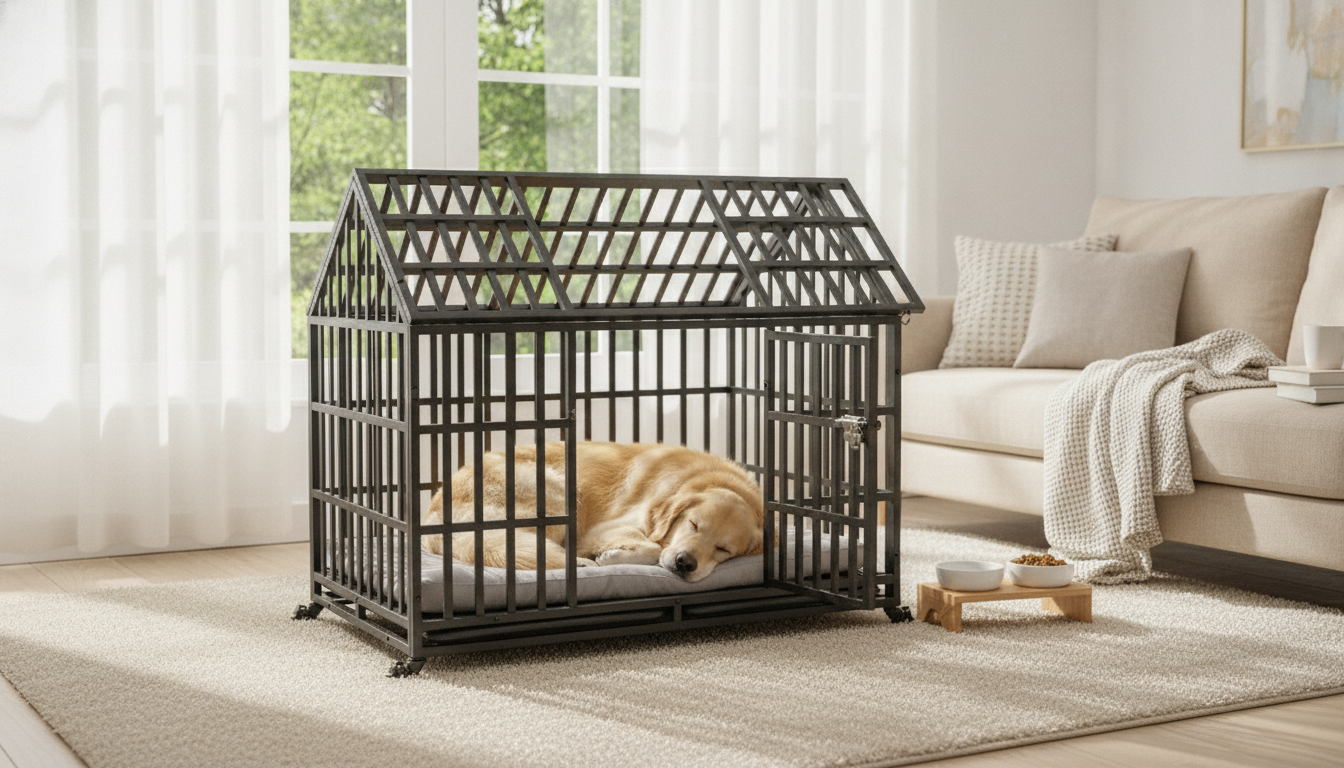
A strong crate with a dependable lock helps prevent escapes, supports calm routines, and protects both pets and property. The best options balance strength with comfort: a stable frame, a door that closes cleanly, and a lock that stays secured even when a dog paws, leans, or rattles the hardware. Below are practical ways to evaluate sturdiness, choose the right size, and set up a crate that feels secure rather than stressful.
When a lockable door matters most
A basic latch can be fine for many dogs, but certain situations call for a more secure, lockable door that resists accidental openings.
- Dogs that push, paw, or bolt: If a dog tests the door with repeated pressure (or has learned to “work” a latch), a secure locking mechanism can prevent sudden escapes.
- Busy homes and multiple pets: Deliveries, guests, and daily cleaning create more door-open moments. A locked crate helps add a predictable layer of control.
- Training routines: Short, positive sessions go more smoothly when the door closes easily, aligns correctly, and stays closed without extra fuss.
- Travel and temporary stays: Vet recovery, foster care, renovations, or unfamiliar environments often require more reliable containment than a simple slide latch.
What “sturdy” should mean in a dog crate
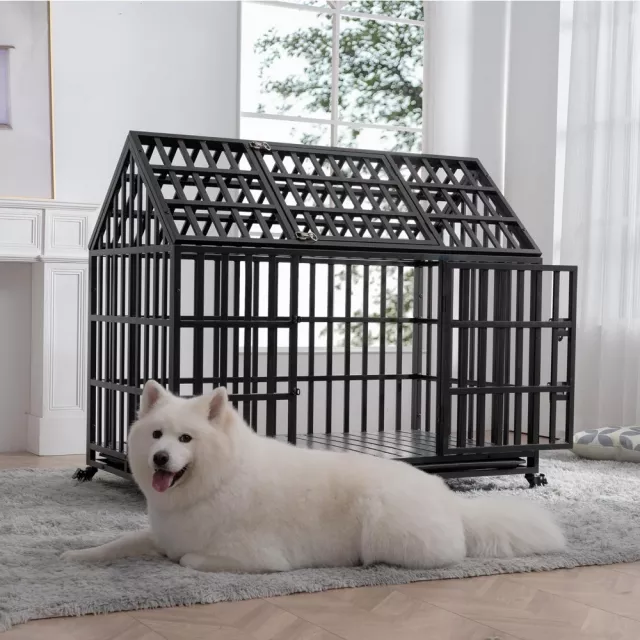
“Sturdy” isn’t just about thicker wire. It’s the whole system working together: strong structure, door alignment, reliable locking, and safe finishing that won’t scratch or snag.
- Frame strength: Rigid panels or reinforced wire that resists bending and bowing when leaned on or bumped.
- Door integrity: Minimal flex, tight alignment, and hinges that don’t loosen quickly.
- Latch security: A lockable latch that can’t be nudged open by a nose, paw, or repeated rattling.
- Stability: A base that doesn’t rock; feet or a wide footprint can reduce tipping during entry and exit.
- Safe surfaces: Smooth edges, covered welds, and no sharp points that could snag fur or collars.
Sturdiness checklist for a lockable-door crate
| Feature to check |
What to look for |
Why it helps |
| Door lock |
Lockable latch or dual-latch design; firm close |
Reduces accidental openings and escapes |
| Wire/panel thickness |
Resists bending when pressed |
Stays secure for strong or anxious dogs |
| Hinges |
Tight, aligned, not wobbly |
Prevents door sag and latch misalignment |
| Base and feet |
Doesn’t slide easily; stable stance |
Minimizes tipping and noise |
| Finish and edges |
Smooth coating; no sharp burrs |
Helps prevent scrapes and snags |
Picking the right size for comfort and safety
A sturdy crate still needs to fit correctly. Poor sizing can create stress, increase attempts to escape, or make it harder for a dog to settle.
- Measure length and height: Measure nose-to-tail base (not including tail) and floor-to-top-of-head, then add a small buffer so your dog can stand and turn comfortably.
- Avoid extremes: A crate that’s too small can create pressure points and frustration; too large can reduce structure for routines in some training situations.
- Plan for puppy growth: If buying for a puppy, consider a crate that can be adjusted with a divider so the usable space grows over time.
- Consider real-life movement: Your dog should be able to change positions comfortably without forcing shoulders or hips against the sides.
How to Choose a sturdy crate with a lockable door (no product links)
Choosing the right crate is easiest when you start with your dog’s behavior and the environment the crate will be used in. Focus on the door hardware and overall build quality first, then refine for convenience.
For general guidance on humane crate routines and introducing a crate as a positive space, consult reputable training references such as the ASPCA’s crate training overview or the AKC’s crate training tips.
Setting it up so a sturdy crate stays calm and inviting
Lock, latch, and safety habits
- Seat the door fully before locking: Misalignment can look “closed” but fail under pressure if the latch isn’t fully engaged.
- Do a two-second check: After locking, gently pull on the door to confirm it’s secure.
- Keep kids away from latches: An unlocked door can become a safety issue around guests and open exits. For broader dog safety around families and visitors, see the AVMA’s dog safety guidance.
- Inspect weekly: Look for loosened screws, bent bars, worn coatings, or hinge wobble—especially during the first month of use.
- Address anxiety the right way: If distress is driving escape attempts, consult a veterinarian or qualified trainer rather than relying on stronger confinement alone.
FAQ
Are lockable dog crate doors safe for everyday use?
Yes, lockable doors are safe for everyday use when the crate is appropriately sized, the lock is engaged correctly, and hardware is inspected regularly. Confinement should be humane and matched to your dog’s needs, with breaks, water as appropriate, and a calm routine.
How do you measure a dog for the right crate size?
Measure from the nose to the base of the tail for length and from the floor to the top of the head for height, then add a small buffer so your dog can stand up and turn around comfortably. If your dog is between sizes, choosing the next size up is often safer, and puppy owners can use a divider to adjust space as they grow.
What should be avoided inside a locked crate?
Avoid collars or harnesses that can snag on wire or hardware, and don’t leave unsafe chew items or long strings/ropes unattended. For dogs that destroy bedding, skip bulky or easily shredded materials and stick to simple, safer options that won’t be ingested.
Recommended for you









Leave a comment