Mealtime gets easier when a baby’s first dishes are durable, easy to clean, and hard to tip over. A stainless steel set paired with a suction base helps keep food where it belongs while supporting early self-feeding with a comfortable fork and spoon. For families starting solids or building a reliable everyday routine, a simple 3-piece set can cover most first foods—from thin purees to thicker mashes and early finger foods. For more guidance, see Personalized Name Food Grade 6pcs Baby Feeding Set with Spoon ….
What’s Included in the 3-Piece Set
A streamlined feeding kit keeps the focus on practicing skills rather than juggling extra pieces. This set includes the essentials many families reach for multiple times a day. For further reading, see Silicone Suction Plate With Spoons, Toy Straps & Bottle Bungees ….
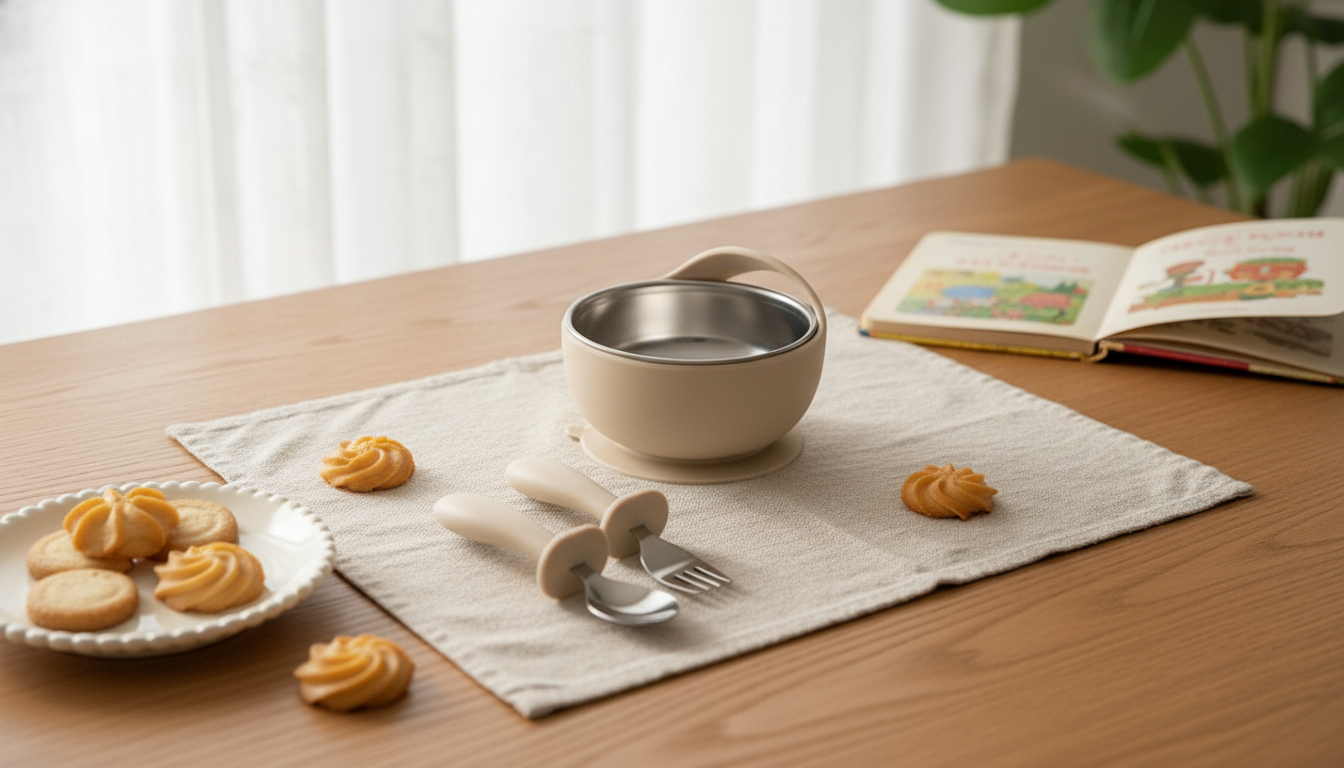
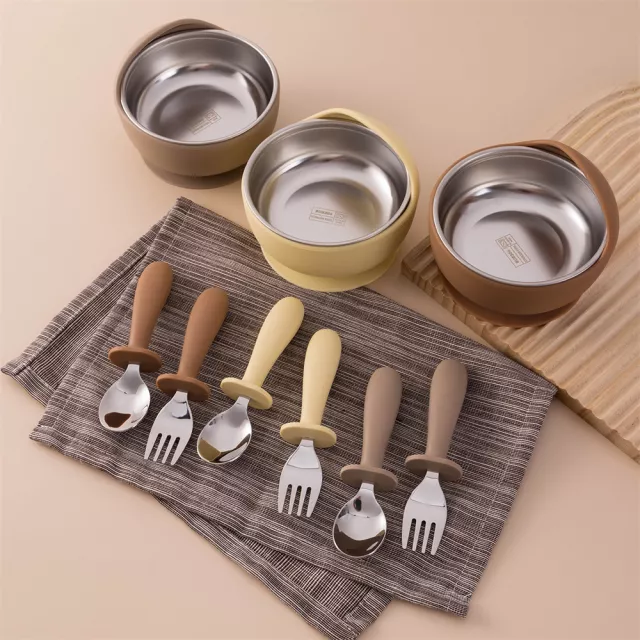
- Stainless steel baby bowl designed for everyday purees, mash, and finger foods
- Baby fork sized for small hands and early scooping/poking practice
- Baby spoon shaped for gentle feeding and first self-feeding attempts
- Suction base intended to help reduce sliding and tipping on smooth surfaces
- A simple set format that’s easy to pack for daycare or travel
Why Stainless Steel Works Well for Baby Dishes
Stainless steel is a practical choice for daily baby feeding because it’s sturdy, easy to maintain, and typically holds up to the repetition of high-chair life. While every household has different preferences, stainless steel often earns its spot in the rotation for a few consistent reasons.
- Non-porous material that helps resist lingering odors and staining compared with many plastics
- Holds up to frequent washing and daily use without easily warping
- Naturally sturdy feel that stays stable on the table when paired with suction
- A good option for families trying to reduce plastic exposure in feeding routines
- Works for a wide range of temperatures for common baby foods (always test food temperature before serving)
For broader guidance on safe feeding routines and age-appropriate foods, reputable sources like the CDC’s Infant and Toddler Nutrition and the American Academy of Pediatrics’ starting solids resources can help caregivers set a confident baseline.
Suction Bowl Basics: Getting a Better Stick
Suction can be a game-changer, but it’s not magic—how and where it’s placed matters. A good seal requires contact, pressure, and the right surface texture.
- Press suction firmly onto a clean, flat, dry surface for best hold
- Smooth, non-textured surfaces usually work better than wood grain or matte finishes
- Avoid placing suction on seams, grooves, or table edges where air can leak
- If suction weakens, rinse and dry the base and the surface, then reapply pressure
- Supervise meals—suction helps reduce spills but does not make a bowl unremovable
If you regularly eat in different locations (kitchen island, dining table, high-chair tray), it can help to test suction on each surface once and note where it performs best. Many families find sealed stone, glass, and smooth plastic trays offer the most reliable hold.
Fork and Spoon Features to Look For
Utensils do more than deliver food—they support coordination, grip development, and confidence. Early on, comfort and safety details matter more than “perfect” technique.
- Rounded edges and baby-safe shapes designed to be gentle on gums
- Grip size that supports beginner self-feeding (palmar grasp progressing to finger grip)
- Balanced weight so utensils don’t feel too heavy for small hands
- Easy-to-clean design with minimal crevices where food can collect
- Age-appropriate use: start with assisted feeding, then encourage independent practice as skills grow
A small but helpful routine is to offer the spoon while also keeping a “backup” utensil nearby for the caregiver. Baby can practice holding and aiming, while you can step in to help keep the meal moving when needed.
Quick Comparison: Common Baby Feeding Set Materials
Material choice affects durability, staining, and ease of cleaning. Suction performance depends mostly on the base design and the surface used. Mix-and-match is common: stainless steel bowls with silicone suction, plus utensils suited to baby’s grip.
Material overview for baby bowls and utensils
| Material |
Pros |
Considerations |
| Stainless steel |
Durable, resists stains/odors, easy to wash |
Can feel cool to the touch; avoid overheating and always check food temperature |
| Silicone |
Soft feel, often good suction bases, lightweight |
Can retain odors if not cleaned thoroughly; quality varies by manufacturer |
| Plastic |
Lightweight, inexpensive, widely available |
May stain/retain odors; replace if scratched or degraded |
| Bamboo/wood |
Natural look and feel |
Often not dishwasher-safe; suction may be less reliable on textured surfaces |
How to Choose the Right Baby Feeding Set
The “right” set fits your baby’s stage and your daily routine—especially your cleaning habits and the surfaces you eat on most. A few practical checkpoints can prevent common frustrations.
Care, Cleaning, and Everyday Use Tips
FAQ
Will the suction bowl stick to any table?
Suction works best on clean, flat, non-porous surfaces like smooth high-chair trays, sealed stone, or glass. Textured wood, matte finishes, seams, and grooves can let air in and weaken the seal. For better hold, dry both the base and the surface, then press firmly to remove trapped air.
Is stainless steel safe for baby feeding?
Stainless steel is widely used for food contact and is valued for its durability and resistance to staining. Choose food-grade items, keep them clean, and stop using any piece that shows damage or sharp edges. As with any dishware, always test food temperature before serving.
How should the fork and spoon be cleaned after oily foods?
Rinse promptly with warm water, then wash with mild dish soap to lift oils that can cling to surfaces. Pay attention to curves and edges where residue can hide, then dry thoroughly before storing. This helps keep utensils fresh and reduces buildup over time.
Recommended for you











Leave a comment