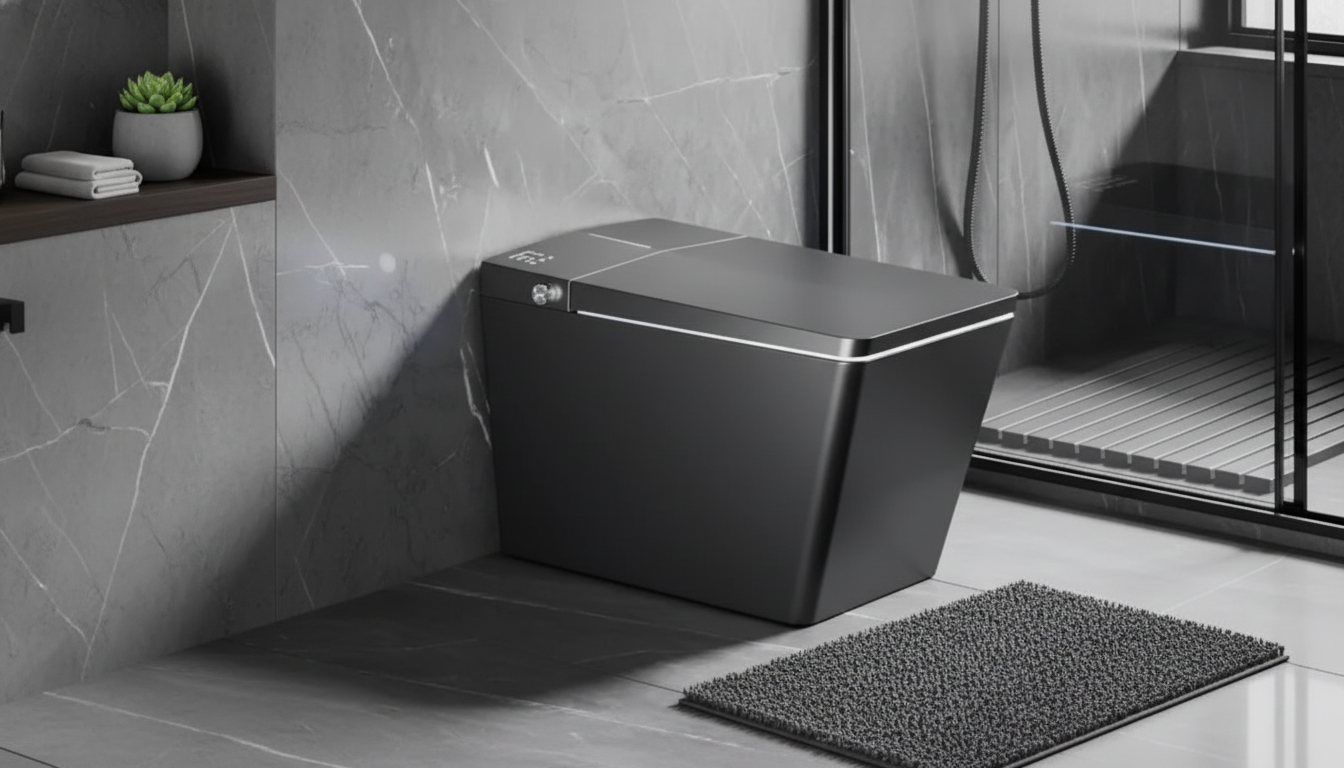
A modern square-profile smart toilet brings together a built-in bidet, warm-seat comfort, and touchless conveniences in one sleek fixture. The result is a cleaner-looking bathroom, fewer daily touch points, and a more customizable routine—especially valuable in colder months or busy households. Below is a practical guide to the features that matter most, how automatic wash functions typically work, what to measure before you buy, and how to pick a model that fits both your layout and your day-to-day habits.
What Makes a Square Smart Toilet Different
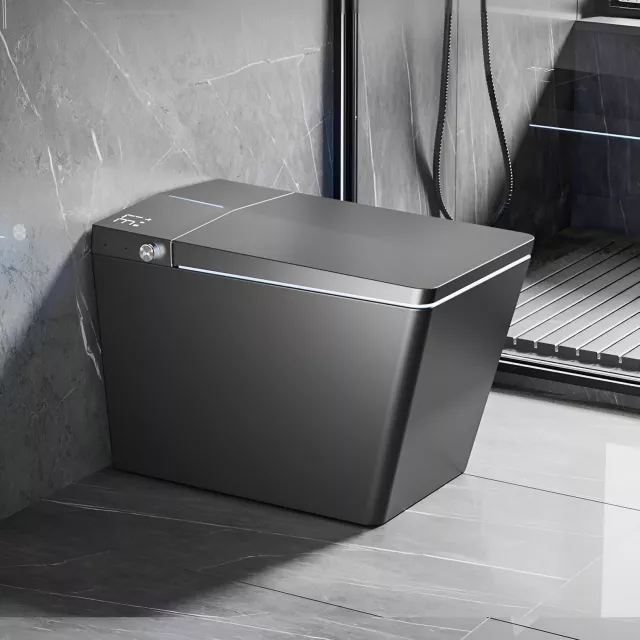
Square smart toilets stand out for both form and function. Because the bidet hardware is integrated into the toilet body, you get a streamlined, one-piece look with fewer visible add-ons. The square silhouette complements contemporary vanities, matte-black fixtures, and crisp tile lines—creating a deliberate, modern “anchored” feel.
Beyond aesthetics, the best upgrades are practical: touchless lid/flush features reduce contact, and heated seats with adjustable wash settings make the experience consistent year-round. For homes where comfort and cleanliness are daily priorities, the combination can feel like a meaningful quality-of-life improvement rather than a gadget.
Core Comfort Features to Expect
Comfort settings determine whether a smart toilet feels “nice to have” or genuinely indispensable. Heated seating helps on cold mornings, while adjustable water temperature, pressure, and nozzle position let different users dial in what feels right. Many units also add warm-air drying to reduce toilet paper use—confirm whether this is included and how strong the airflow is.
Comfort settings checklist
| Feature |
Why it matters |
What to verify before buying |
| Heated seat |
Improves comfort in cooler seasons |
Temperature range and whether it remembers the last setting |
| Water temperature control |
Prevents cold-water shock |
Instant heating vs. tank heating; available temperature levels |
| Water pressure levels |
Helps tailor wash strength |
Number of pressure steps and consistency of spray |
| Nozzle position adjustment |
Improves accuracy and comfort |
Manual vs. multi-position adjustment; user profiles if available |
| Drying |
Reduces paper use and irritation |
Fan strength, warm air option, and noise level |
Automatic Bidet Hygiene and Nozzle Care
Hygiene features are where integrated smart toilets can shine. Many include self-cleaning nozzle cycles that rinse the wand before and/or after use. Some models also use anti-bacterial materials or coatings designed to make routine upkeep easier and to reduce buildup over time.
If multiple people share the bathroom, confirm whether the unit offers separate front and rear wash modes. Deodorization is another popular add-on: when included, it can help keep small bathrooms feeling fresher, especially in powder rooms with limited ventilation.
Touchless and Smart Convenience Functions
Touchless functions can be as important as the bidet itself. Auto open/close lid and seat helps reduce contact and can be a noticeable upgrade for accessibility—particularly when hands are full or for users with limited mobility. Automatic flush options also improve hygiene and eliminate the awkward “Did you flush?” moment for kids and guests.
Many smart toilets add a night light so the bowl area is visible without turning on bright overhead lighting. For controls, verify what’s included and where it will sit: some bathrooms are better suited to a remote control, while others benefit from a fixed side-panel that doesn’t get misplaced. Whichever method you choose, look for clear icons and an easy way to stop a wash cycle quickly.
Design and Fit: Matching the Square Profile to the Room
Square toilets can visually anchor a modern bathroom, and black finishes make a strong statement—especially alongside black faucets, hardware, or shower frames. That bold look also means details matter: alignment with grout lines, symmetry with the vanity, and enough clearance so the space doesn’t feel crowded.
Installation and Electrical Requirements
On the plumbing side, the condition of the shutoff valve and supply line matters more than many people expect. Older valves can leak when disturbed, and worn hoses may not seal reliably after reconnection. Planning for service access is also smart: filters or deodorizing cartridges (when included) may need periodic replacement, and you don’t want the unit boxed in so tightly that basic maintenance becomes a hassle. For code references and best practices, consult the International Code Council (Plumbing Codes).
Water Use and Efficiency Considerations
Bidet washing can also reduce toilet paper consumption, which may help cut down on plumbing clogs and backups. If conservation is a priority, compare flush volume claims and look for relevant certifications when available. The EPA WaterSense program is a helpful reference point for water-saving fixtures, while ENERGY STAR provides guidance on energy-efficient products and best practices around home efficiency.
How to Choose the Right Smart Toilet for Your Home
Care, Cleaning, and Long-Term Reliability
FAQ
Does a smart toilet with a bidet need a dedicated electrical circuit?
Many smart toilets can plug into a standard GFCI-protected bathroom outlet, but power needs vary by model. A dedicated circuit may be required if the unit’s amperage draw is high or if the existing circuit is already heavily loaded. Always follow the manufacturer’s specifications and local electrical code.
Will a square smart toilet fit a standard bathroom rough-in?
Often yes, but you’ll need to measure from the finished wall to the center of the floor bolts to confirm the rough-in size. Also verify side and front clearance, since one-piece smart toilets can be deeper and may need extra room for lid movement.
How should the bidet nozzle and black finish be cleaned?
Use a non-abrasive cleaner and a soft cloth to avoid scratching or dulling the black finish. Rely on the toilet’s built-in nozzle cleaning cycles when available, and avoid harsh chemicals that can damage coatings or sensitive components. Keep water and cleaner residue away from sensors and control areas.
Recommended for you











Leave a comment