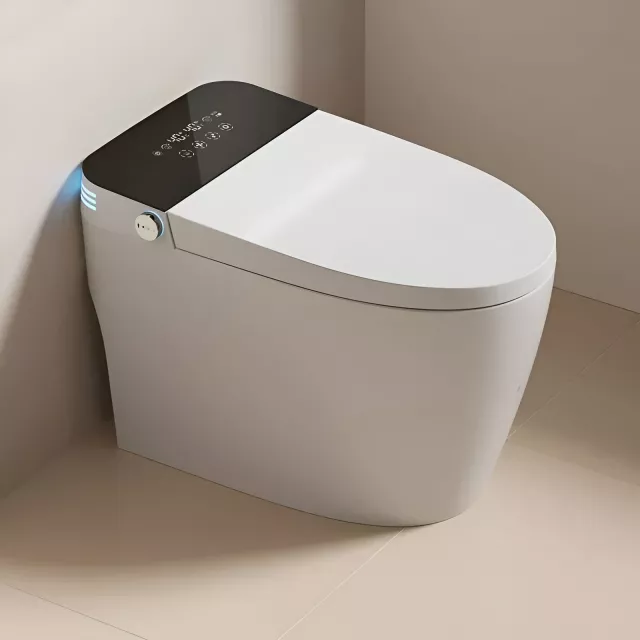
A smart toilet combines hands-free operation, personalized cleansing, and comfort upgrades into a single fixture. With auto open/close, automatic flushing, a heated seat, and bidet functions, it can improve hygiene, reduce touchpoints, and add everyday convenience—provided the bathroom has the right clearances, electrical access, and plumbing compatibility.
What Makes a Toilet “Smart”
Unlike a standard toilet that relies on manual operation, a smart toilet uses sensors, integrated washing hardware, and electronic controls to automate common steps and make each visit more comfortable.
- Hands-free lid and seat movement using motion or proximity sensing
- Automatic flushing options (after-use sensing, timed flush, or manual override)
- Integrated bidet washing with adjustable water pressure, temperature, and spray position
- Comfort features such as a heated seat and warm air drying
- Safety and usability extras like night lighting, deodorization, and child-friendly settings (model-dependent)
Core Comfort and Hygiene Features to Expect
Smart toilets vary widely by model, but most premium units focus on the same core upgrades: less touching, better cleaning, and a more “set it and forget it” routine.
- Auto open/close: reduces contact with the lid/seat and helps keep the bathroom feeling cleaner.
- Auto flush: supports hygiene and can help prevent missed flushes; look for a dependable sensor and a manual backup.
- Heated seat: typically adjustable in multiple temperature levels for year-round comfort.
- Bidet wash modes: common options include rear wash, feminine wash, and oscillating/pulsating spray patterns.
- Nozzle hygiene: prefer self-cleaning nozzles, replaceable tips, and accessible cleaning modes.
- Drying and deodorization: warm air drying can reduce paper use; deodorization can help manage odors between cleanings.
When comparing models, it can also help to check whether the toilet meets efficiency standards. For background on high-efficiency toilets and water performance, see EPA WaterSense — Toilets.
Daily Use: What the Experience Feels Like
Day-to-day operation is designed to be simple and predictable, with most actions triggered by approach or occupancy sensors.
- Approach detection triggers lid/seat opening (timing and sensitivity vary by model).
- Seated use unlocks bidet options; settings can be adjusted via side panel or remote (if included).
- After use, the unit may run a short rinse cycle and then flush automatically.
- Some units add courtesy lighting at night and a deodorizing cycle after occupancy.
- Users who prefer full control should confirm the presence of manual controls for flush and bidet functions.
For households with multiple users, preset profiles (when available) are one of the biggest quality-of-life improvements—especially when seat temperature, water temperature, and spray position preferences differ from person to person.
How to Choose the Right Smart Toilet for the Bathroom
Since an all-in-one smart toilet is a full fixture replacement (not just an add-on seat), choosing the right model starts with fit, power, and plumbing—then moves into comfort, reliability, and maintenance.
Quick checklist for selecting features
| Need |
Feature to look for |
Why it matters |
| Less touching |
Auto open/close + auto flush + manual override |
Reduces contact while keeping reliable control |
| Cold-weather comfort |
Multi-level heated seat + warm water wash |
Improves comfort and encourages consistent bidet use |
| Shared household |
User presets + easy remote/panel |
Speeds up personalization for different users |
| Cleaner nozzle |
Self-cleaning nozzle + accessible cleaning mode |
Simplifies hygiene and upkeep |
| Nighttime use |
Night light + quiet operation |
Improves visibility and reduces disturbance |
| Hard water area |
Filter options + easy service access |
Helps maintain performance over time |
Installation and Bathroom Readiness
- Electrical: install or confirm a GFCI-protected outlet near the toilet location; avoid extension cords. For an overview of why GFCIs matter in wet areas, review U.S. Department of Energy — GFCIs (Ground Fault Circuit Interrupters).
- Plumbing: verify shutoff valve accessibility and confirm fittings included versus required adapters.
- Floor and seal: check the flange condition and ensure a proper seal; follow manufacturer guidance for wax ring vs. alternative seals.
- Ventilation: deodorization helps, but good bathroom ventilation remains important for comfort and moisture control.
- Professional help: consider a licensed plumber/electrician if relocating outlets, moving supply lines, or modifying rough-in dimensions.
If accessibility or clear floor space is a priority, it’s also worth reviewing general guidance in the ADA Accessibility Guidelines (overview) before committing to a specific bowl shape, height, or control location.
Maintenance, Cleaning, and Long-Term Care
Who Benefits Most From These Intelligent Features
FAQ
Does a smart toilet still work if the power goes out?
Most smart features (heated seat, bidet wash, dryer, sensors) typically won’t operate without power. Flushing may still be possible via a manual flush option or an emergency mode, but the exact behavior depends on the model—confirm manual flush capability and any battery backup details before buying.
What electrical requirements are typical for a smart toilet with a heated seat and bidet?
A nearby GFCI-protected outlet is commonly required, using standard household voltage. Avoid extension cords, and consider whether the manufacturer recommends a dedicated circuit—especially if other high-draw bathroom devices share the same circuit.
How often should the bidet nozzle and filters be cleaned or replaced?
Plan on a weekly exterior wipe-down with non-abrasive cleaners, and run built-in nozzle cleaning cycles regularly per the manual. Filters (if included) should be replaced on the manufacturer’s schedule, with more frequent care in hard-water areas to maintain consistent spray performance.
Recommended for you












Leave a comment