A cat climbing tree that also functions as a small table can solve two common home challenges at once: giving cats vertical territory for climbing, perching, and scratching, while keeping a clean, modern footprint that blends into living spaces. The right setup supports daily exercise, stress relief, and healthy scratching habits without overwhelming the room with bulky pet furniture.
What Makes This Style of Cat Tree Different
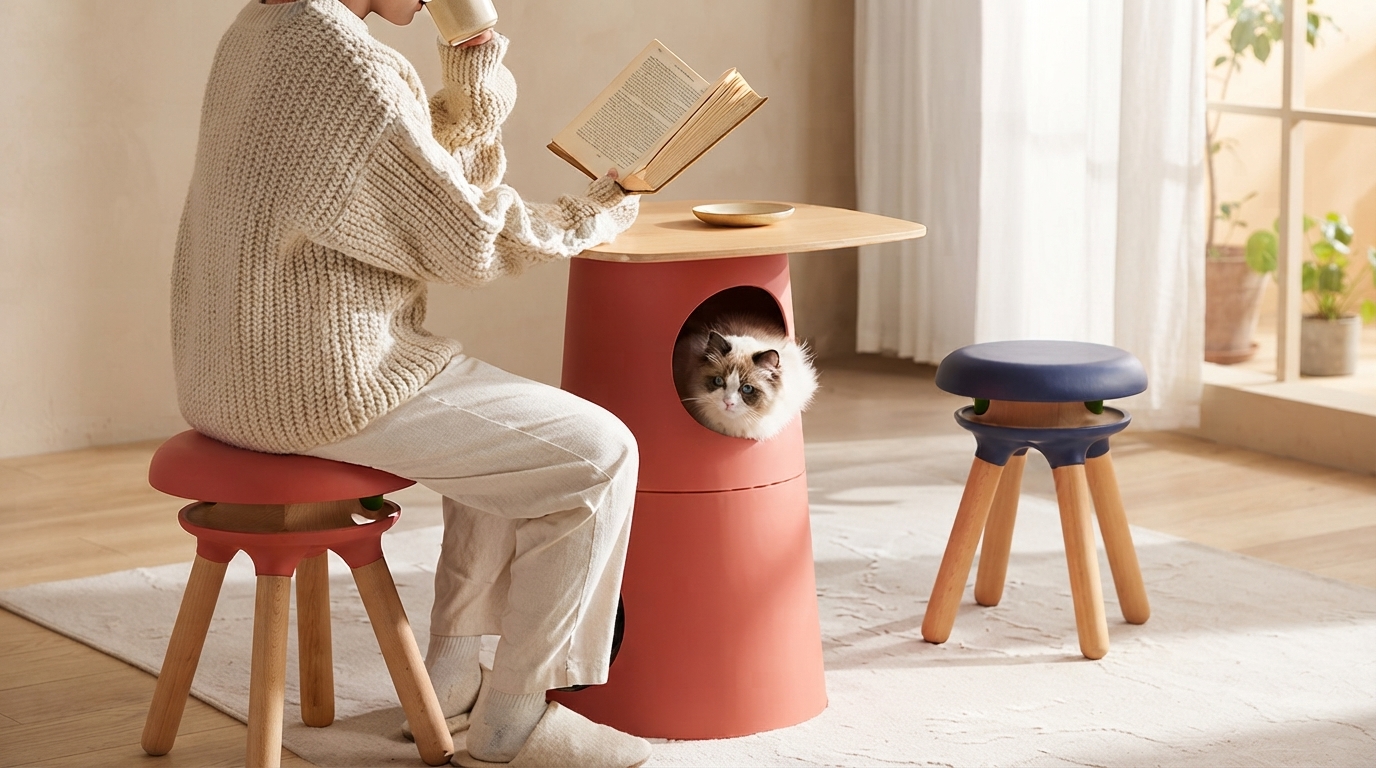
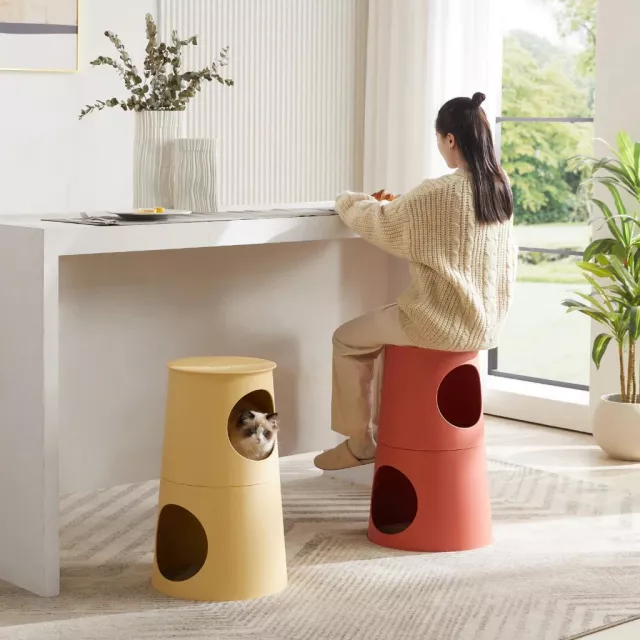
Unlike traditional cat towers that are “pet-only,” a multifunction cat tree table blends into daily life by pairing an elevated climbing area with a usable tabletop. That combination makes it easier to place in a living room, bedroom, or home office without the space feeling dominated by pet furniture.
- Combines a vertical climbing zone with a usable tabletop, helping cat furniture integrate with everyday rooms.
- Encourages natural behaviors: climbing, surveying from above, stretching, and scratching to maintain claw health.
- Often designed with modern materials and neutral colors that better match minimalist or contemporary decor.
- Multifunction designs can reduce clutter by replacing separate side tables and cat towers.
Key Benefits for Cats and Homeowners
Cats are “vertical” animals. When they can move upward—onto a platform, a perch, or a stable top level—they often appear calmer and more confident. For households with multiple pets (or busy family routines), a dedicated perch can also act like a personal bubble: a predictable spot where the cat can observe without being crowded.
- Vertical space supports confidence and routine, especially in multi-pet homes where cats value separate perches.
- A dedicated scratching post can redirect scratching away from sofas, rugs, and chair legs when placed strategically.
- Climbing and perching add daily movement, helping indoor cats burn energy and reduce boredom-related behaviors.
- A stable base and well-placed platforms promote safe jumping and controlled descents.
- A table surface can act as a tidy landing zone for small items, while keeping cat activity centered in one area.
Environmental enrichment and access to appropriate scratching surfaces are widely recommended by cat welfare organizations. For more guidance on building a cat-friendly home environment, see resources from International Cat Care and the American Association of Feline Practitioners (AAFP).
Design Features to Look For
Because this piece will be used as both furniture and a cat activity zone, small design details matter. A great-looking unit won’t feel great if it wobbles during jumps or if the scratching area is too short to be satisfying.
- Stability: wide base, anti-tip considerations, and weight distribution that stays steady during leaps.
- Scratching material: durable rope or textured scratching surface that allows a full-body stretch.
- Platform spacing: steps that match the cat’s mobility (kittens and seniors benefit from shorter jumps).
- Surface comfort: non-slip or lightly textured platforms that provide secure footing.
- Tabletop usability: edges that are easy to wipe and a height that works as an end table or accent table.
- Noise control: solid joins and well-fitted components help reduce wobble and rattling during play.
Feature Checklist for a Multifunction Cat Tree Table
| Feature |
Why it matters |
What to verify before buying |
| Stable base |
Prevents tipping during jumps |
Base width, overall height, and max supported weight (if provided) |
| Tall scratch zone |
Enables full stretch and better claw maintenance |
Post height relative to cat size; replaceable scratching surface if available |
| Step layout |
Supports safe climbing and easy access |
Distance between platforms; alternative routes up and down |
| Easy-clean tabletop |
Keeps the piece practical in daily life |
Finish that resists stains; edges that wipe clean |
| Grip and comfort |
Reduces slips and improves confidence |
Non-slip pads, textured surfaces, or carpeted sections |
Where to Place It for Best Results
Placement often determines whether a cat ignores a new setup or treats it like the best seat in the house. The goal is to align the cat tree table with existing routines: sunlight, family presence, and the cat’s preferred travel paths.
- Near a window for visual stimulation; cats often prefer lookout points with sunlight and outdoor views.
- Close to existing family activity zones so cats can perch without feeling isolated.
- Adjacent to a previously scratched item (sofa corner, chair leg) to encourage switching behaviors.
- Avoid tight hallways or areas where people frequently bump the structure.
- If the table holds items, keep breakables away from the most active jump paths.
If the space is limited, choose a corner where the base can sit fully flush and the cat can approach from at least one clear side. This helps reduce “surprise” encounters and makes climbing feel more secure.
How to Choose the Right Size and Layout
A multifunction design should fit the room like real furniture while meeting your cat’s comfort and mobility needs. Before choosing, think in three dimensions: the footprint on the floor, the vertical height, and the spacing between stepping points.
Setup, Training, and Routine Use
Care and Maintenance
FAQ
Will a cat use a climbing tree that also works as a table?
Most cats adapt well if the structure is stable and placed near preferred areas like a window or a main living space. Encourage exploration with catnip, small treats, or a familiar blanket on a perch, and keep the scratching area easy to reach.
How tall should the scratching post be?
A good post allows a full-body stretch with front paws extended overhead. Larger cats typically need a taller, sturdier scratch zone, while kittens and seniors often do best with multiple shorter access points.
Where should it go to stop furniture scratching?
Place it near the item currently being scratched and along common cat pathways so the post becomes the easiest option. Reward post use right away, and temporarily make the scratched area less appealing with covers or texture barriers while the new habit forms.
Recommended for you









Leave a comment