Minimalist Japanese Coffee Table: A Calm Wooden Centerpiece for a Thoughtful Home
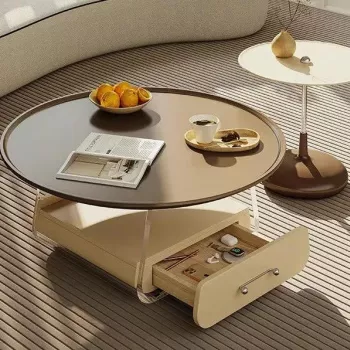
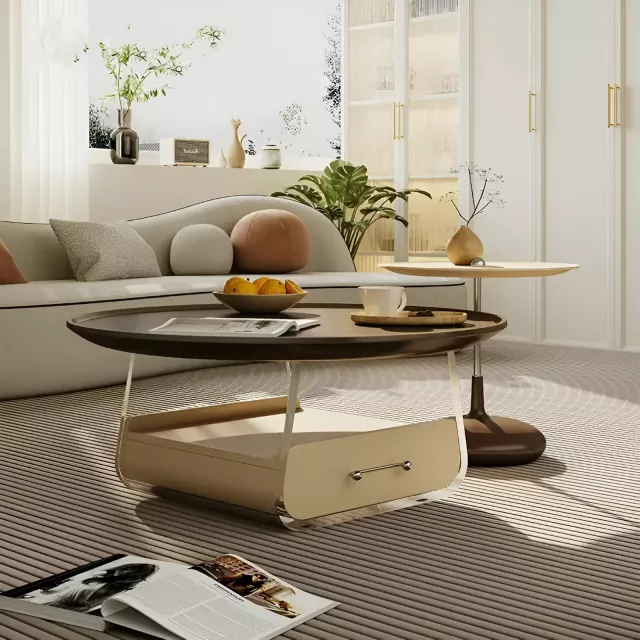
A Japanese-inspired minimalist coffee table brings clarity to the living room: low visual weight, warm wood tone, and a balanced presence that anchors seating without crowding the space. When the design is quiet and grounded, the room feels easier to use—there’s space to move, space to rest your eyes, and space to enjoy what you choose to keep. Below are practical ways to understand the look, pick materials and finishes, dial in proportions, style with restraint, and care for wood so it stays serene for years.
What Makes the Japanese Minimalist Coffee Table Look
This style borrows from Japanese design sensibilities: calm, purpose, and respect for materials. It doesn’t rely on ornate details to feel special; it feels special because everything unnecessary is removed.
- Low, grounded silhouette that visually “settles” a room and reduces clutter at eye level.
- Clean lines with gentle edges; hardware is subtle, integrated, or hidden so the form reads as one quiet object.
- Wood grain as a feature, not something to cover—natural variation adds warmth without busy decoration.
- Empty space is part of the design: fewer items on top, more intention in what remains.
- Natural pairing with neutral textiles, soft lighting, and simple ceramics for an overall calm composition.
In practice, the “minimalist” part is less about owning nothing and more about choosing shapes and surfaces that don’t compete with the rest of the room.
Materials and Finish: Warmth Without Visual Noise
Wood is the classic choice because it reads warm, feels pleasant to the touch, and looks at home beside linen, wool, paper lamps, and stoneware. The biggest decision after shape is the finish: it changes both the look and how you’ll live with the table.
- Wood tops create a tactile, inviting surface that suits daily use.
- Matte or satin finishes reduce glare and help grain look natural, especially under warm lamps.
- Consistent tone vs. stronger grain: choose uniform color for very pared-back rooms; choose more pronounced grain when the space needs texture.
- Stability matters: a solid-feeling base prevents wobble, especially on rugs.
- Busy households benefit from finishes that wipe clean easily for frequent dining, crafts, or kids’ activities.
Finish choices and everyday impact
| Finish style |
Visual effect |
Best for |
Care notes |
| Matte |
Soft, calm, low reflection |
Bright rooms, minimal decor |
Shows oils; wipe with a damp cloth and dry |
| Satin |
Slight sheen, still understated |
Most living rooms |
More forgiving than matte; avoid harsh cleaners |
| Gloss |
High reflection, more modern than Zen |
Statement interiors |
Shows scratches and dust more easily |
If responsible sourcing matters for your home, look for wood certified by organizations such as the Forest Stewardship Council (FSC).
How to Choose: Size, Height, and Placement
Proportion is what makes a minimalist coffee table feel “right.” When the size is dialed in, it supports the seating area without interrupting circulation.
- Height: aim for a height near the sofa seat height; slightly lower often feels more relaxed and Japanese-inspired.
- Length: choose a table about half to two-thirds the length of the sofa to keep walkways open.
- Clearance: leave enough space between table and seating for comfortable movement and leg room.
- Rug fit: a cohesive zone often places the front legs of the sofa and the coffee table on the rug.
- Shape: rectangular tables feel orderly and maximize surface; rounded corners soften tight spaces and improve flow.
Quick sizing guide for common layouts
| Room setup |
Suggested tabletop feel |
Placement tip |
| Small apartment living room |
Compact, visually light |
Keep clear paths on at least one side |
| Standard sofa + accent chair |
Medium rectangle or soft-corner rectangle |
Center it to the seating zone, not the room |
| Family room with ottomans or floor cushions |
Lower profile, wider surface |
Prioritize stability and wipe-clean finish |
For design context, browsing traditional and modern pieces in collections like the Metropolitan Museum of Art’s Japanese art can help train your eye toward balance, restraint, and material presence.
Styling: A Simple Centerpiece That Still Feels Lived-In
The easiest way to keep a minimalist coffee table functional (not barren) is to “contain” daily items and leave deliberate negative space. The wood surface should remain visible; it’s part of the room’s calm.
- Use a rule of three: one low tray, one vertical element, and one textural element for quiet variety.
- Choose natural materials like ceramic, linen, paper, and wood to match the table’s warm tone.
- Keep essentials corralled: a tray for remotes, coasters, and a small book stack prevents visual scatter.
- Add one seasonal accent (a branch, simple flowers, or one sculptural object) rather than multiple decor pieces.
- Leave negative space so the tabletop feels restful, not filled edge-to-edge.
A helpful styling check: if you remove the tray and one object, the table should still look complete—not like it needs more.
Comfort and Function for Daily Use
Minimalism works best when it supports real routines. Before choosing a table, picture an average weeknight: drinks, a laptop, takeout, board games, or feet-up lounging. A beautiful table that doesn’t match your habits won’t stay minimal for long.
Care and Longevity: Keeping Wood Looking Calm
FAQ
What height should a minimalist Japanese coffee table be?
Choose a height close to your sofa’s seat height or slightly lower for a relaxed, grounded feel. A lower table is also comfortable for lounging and easy reaching without dominating the room visually.
How should a wooden coffee table be cleaned without damaging the finish?
Use a soft, slightly damp cloth and dry the surface right away. Avoid harsh chemicals or abrasive pads, and use coasters to reduce water rings and heat marks.
How can a coffee table stay minimalist while still being practical?
Corral everyday items in a tray, limit decor to a few pieces with varied heights, and keep visible negative space on the wood surface. That balance keeps the table useful without looking cluttered.
Recommended for you









Leave a comment