A leather tote that moves effortlessly between hand-carry, shoulder, and crossbody wear delivers the ease of a daily bag with the elevated finish of a more refined handbag. A truly high-capacity design should fit real-life essentials without turning into an unstructured catch-all, and it should stay comfortable even when your schedule stretches from morning errands to dinner plans. Below are the practical details that separate a “nice tote” from a luxury tote you’ll reach for year after year. For more guidance, see Large Capacity Leather Tote Bag With Top Handle And… – Revain.
What Makes a High-Capacity Leather Tote Feel Truly “Luxury”
Luxury is less about a logo and more about the small choices that keep a bag looking composed through constant use. Start with the leather: a quality hide balances softness with enough structure to hold its shape, and it shows consistent grain and even color across panels. Construction matters just as much—clean, straight stitching with reinforced stress points (handle bases, strap anchors, and top corners) helps prevent stretching and tearing over time.
Hardware is another quick tell. A luxury bag’s clasps, zippers, and rings should feel substantial and operate smoothly without snagging. Pay attention to edge finishing, too: painted edges or turned edges should look neat and resist cracking or fraying with regular handling. Finally, look for a stable silhouette: a structured base (often with a firmer bottom panel) keeps the tote upright and prevents the slouchy collapse that can make a spacious bag feel messy.
Carry Options: Tote, Shoulder, and Crossbody—When Each Works Best
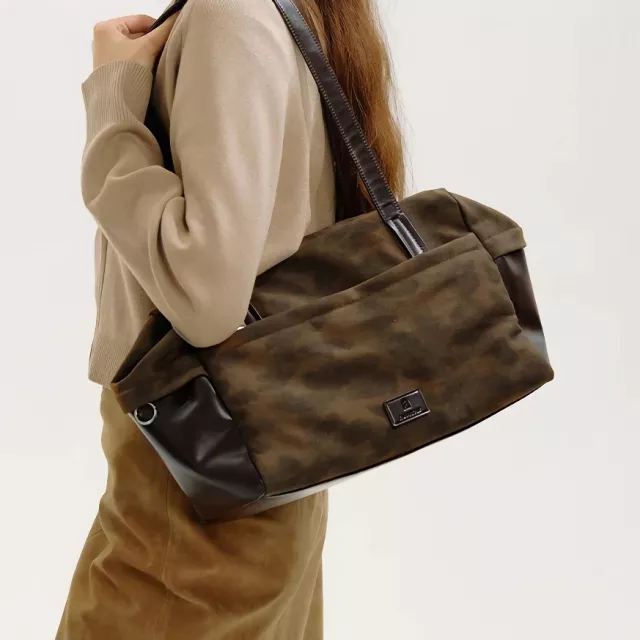
The best high-capacity totes are built for how people actually move through the day. Tote handles shine when you need frequent access—think commuting, meetings, or quick stops where you’re in and out of your bag often. Shoulder carry usually feels more comfortable than hand-carry because weight is distributed better and the bag stays close to your body in crowds.
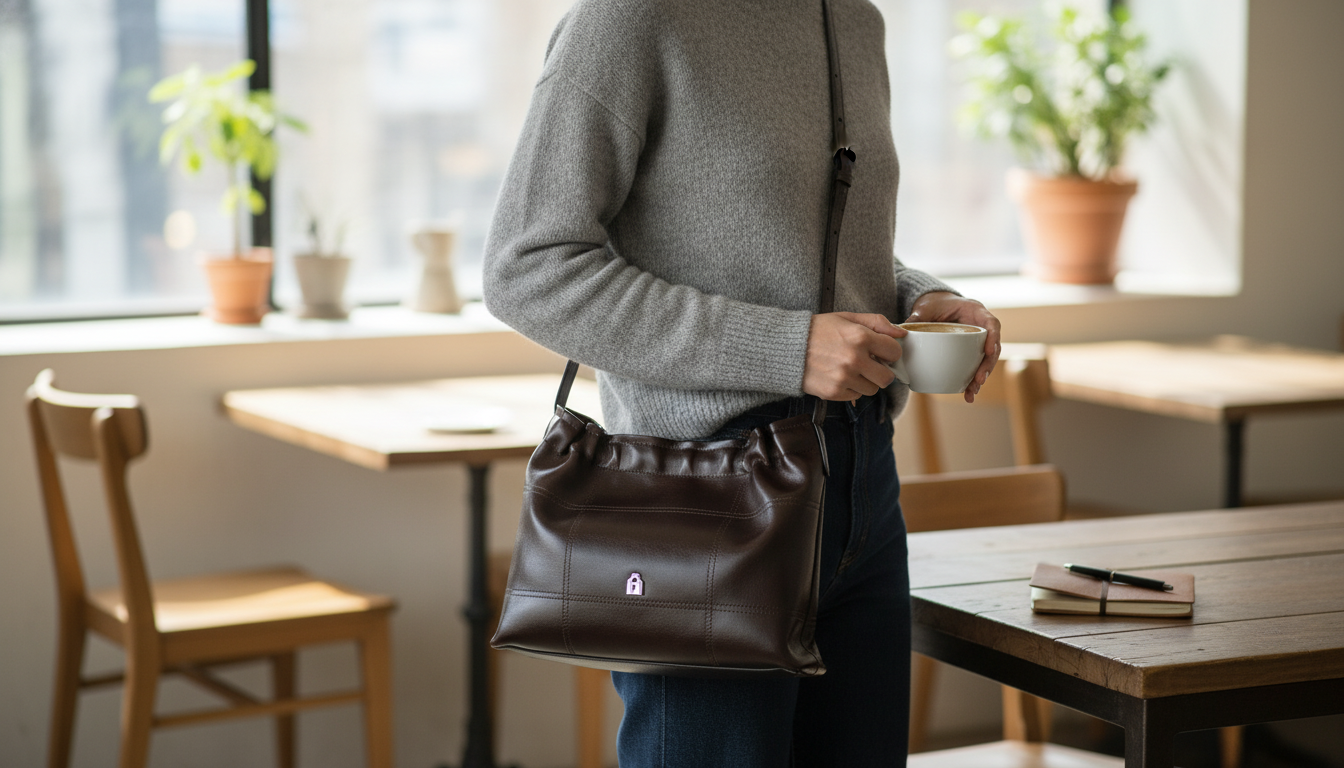
Crossbody carry is the most hands-free and often the most secure option for travel days, shopping, and long walks. For a convertible design to work well, the strap should adjust easily, lie flat without twisting, and attach at reinforced points that won’t distort the leather. Comfort comes down to details: strap width, drop length, and whether the bag sits against the hip without bouncing.
Carry mode comparison for daily use
| Carry mode |
Best for |
Comfort notes |
What to check on the bag |
| Tote/Hand carry |
Office, appointments, quick access |
Can feel heavy in hand if fully packed |
Handle reinforcement and comfortable grip |
| Shoulder carry |
Commutes, everyday wear |
Better weight distribution than hand carry |
Shoulder drop length and handle flexibility |
| Crossbody |
Travel, shopping, long walks |
Most hands-free; can pull if overloaded |
Adjustable strap, secure attachment points, strap width |
How to Choose the Right Size and Capacity (Without Overloading)
Capacity is only helpful if it stays manageable. A reliable way to choose size is to start with the largest item you carry most days—tablet, notebook, water bottle, or a cosmetics pouch—and confirm it fits comfortably in the main compartment without forcing the top closure. If you regularly carry chargers, a small umbrella, or bottled drinks, a structured base helps prevent sagging and reduces corner wear.
Organization should support speed, not create clutter. Look for a layout that separates valuables (phone, keys, cards) from bulkier items so you’re not rummaging at the bottom. Be cautious of “infinite capacity”: when a tote is too large, it encourages overpacking, which quickly becomes uncomfortable—especially when worn crossbody. If a laptop is part of your routine, confirm compartment dimensions and consider using a padded sleeve to protect corners and help the bag keep a clean silhouette.
Materials and Construction Checks That Matter Day After Day
Leather choice is central to long-term performance. Full-grain and top-grain leathers tend to age gracefully; extremely uniform surfaces can sometimes signal heavy coatings that may crack with wear. Lining is another overlooked factor: durable fabric linings resist tearing, and lighter colors make items easier to find.
Zippers should glide smoothly with tidy stitching along the zipper tape; the ends should be reinforced to prevent splitting. Handles and straps should show layered construction and tight, evenly spaced stitching to reduce stretching. Finally, check the base: a firm bottom panel (and feet, if included) helps the bag sit upright and protects leather from abrasion when set down.
Organization Features That Keep a High-Capacity Bag Practical
How to Choose: Matching the Bag to Routine, Outfit, and Season
Care and Storage for Long-Lasting Leather
Small habits make a noticeable difference in how leather looks over time. Wipe the bag regularly with a soft, dry cloth, and spot-clean with a leather-appropriate cleaner when needed. Conditioning occasionally can reduce dryness and cracking—especially in dry climates or during winter heating season. For practical step-by-step care tips, see Furniture Clinic’s leather care guide and Good Housekeeping’s guidance on cleaning leather.
FAQ
Can a high-capacity leather tote be comfortable as a crossbody bag?
Yes—comfort improves when the strap is adjustable, wide enough to distribute weight, and securely anchored. It also helps to keep heavier items close to your body and avoid overfilling the bag.
How can leather quality be checked quickly when shopping online?
Look for close-up images of the grain, stitching, edges, and hardware; consistent stitching and clean edge finishing are strong signs of quality. Product details that specify the leather type and lining durability can also help you judge how the bag may wear over time.
What’s the safest closure style for a daily tote?
A full top zipper typically offers the most security for commuting and travel. If you prefer a magnetic closure, an interior zip pocket adds protection for valuables like cards and keys.
Recommended for you










Leave a comment