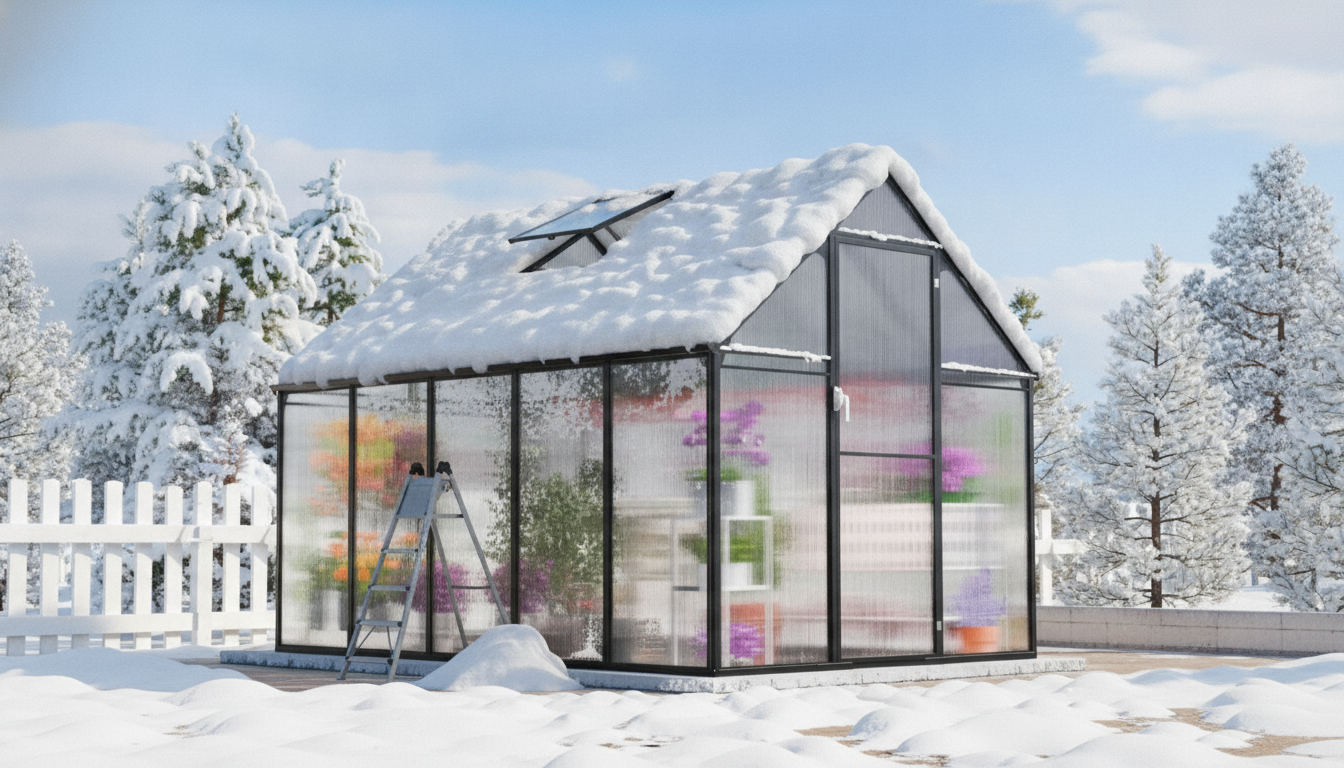
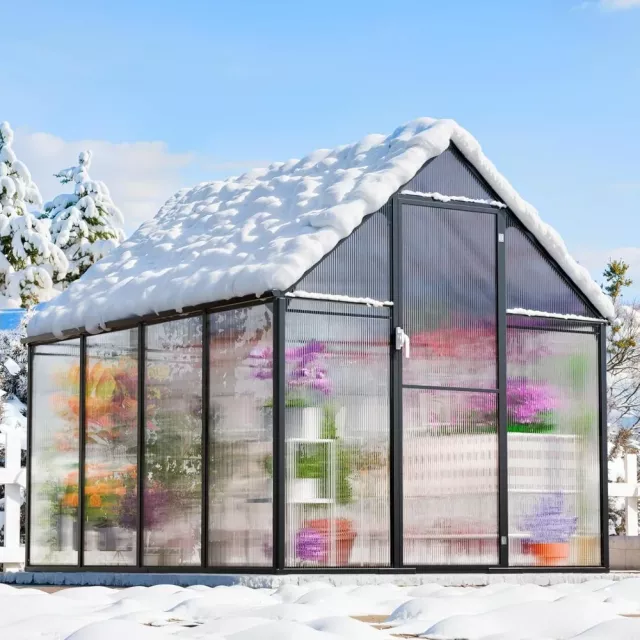
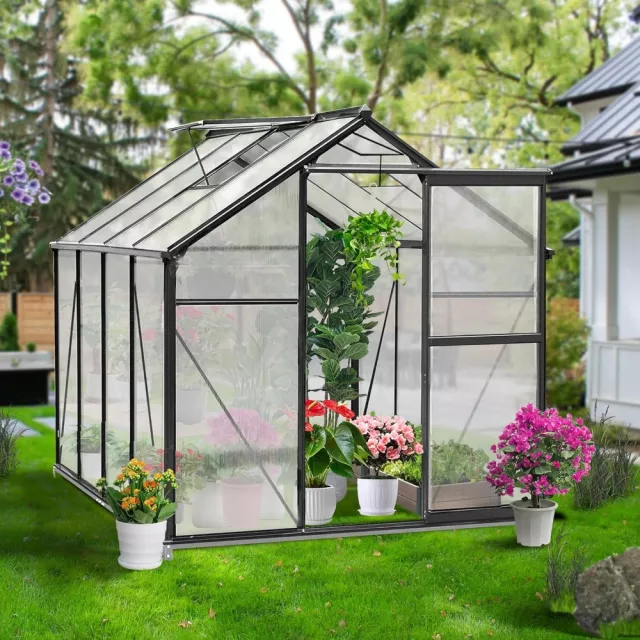
A sturdy outdoor greenhouse extends the growing season, protects plants from wind and pests, and creates a more predictable environment for seed starting and tender crops. A heavy-duty model with an aluminum frame and a vent window is built to stay square in rough weather while giving you the airflow control plants need. Below are the practical features that matter most, plus setup tips that help the structure perform reliably year after year.
What makes a greenhouse “heavy-duty” outdoors
“Heavy-duty” is less about a single feature and more about how the structure holds up to repeated stress from wind, rain, sun, and temperature swings.
- Frame strength and joint design: thicker aluminum profiles and secure connectors resist racking in gusts and keep doors aligned.
- Panel durability: rigid, UV-stable glazing is less likely to crack, yellow, or bow over time.
- Door and vent hardware: strong hinges, latches, and stays reduce wear and prevent sagging that causes rubbing or gaps.
- Ground anchoring options: base rails, stakes, or anchor bolts are critical for storm resistance.
- Weather sealing and drainage: tight panel fit and smart roof geometry help manage rain, condensation, and drafts.
Aluminum frame advantages in outdoor conditions
Aluminum is a popular choice for outdoor greenhouses because it balances strength, longevity, and easier handling compared with heavier materials.
- Corrosion resistance: aluminum tolerates humidity and watering better than many untreated steels.
- Low maintenance: typically needs only periodic cleaning and fastener checks.
- Good strength-to-weight ratio: easier to assemble and reposition while staying rigid when properly anchored.
- Dimensional stability: less swelling or warping than wood through wet-dry cycles.
- Accessory-friendly: simpler mounting for shelves, trellises, clips, and shade systems.
Why a vent window matters for plant health
A vent window isn’t just a comfort feature—it’s one of the main tools for stabilizing plant conditions, especially in shoulder seasons when sun intensity changes quickly.
- Heat control: vents release hot air that pools near the roof, reducing heat stress.
- Humidity balance: airflow helps limit fungal pressure and damp-off risk in seedlings.
- Pollination support: better air movement can help flowering crops when the door stays closed.
- Condensation management: ventilation reduces dripping on foliage and lowers overnight moisture spikes.
- Upgrade path: many gardeners pair vents with automatic openers for hands-off temperature control.
For general ventilation guidance and climate control fundamentals, see the University of Georgia Extension overview on greenhouse heating, cooling, and ventilation.
Glazing and insulation basics: keeping warmth without trapping problems
The glazing material affects temperature stability, light quality, and how forgiving the greenhouse is when weather changes fast.
- Panel type: polycarbonate-style panels generally insulate better than single-pane glass and diffuse light.
- Light diffusion: diffused light can reduce leaf scorch and promote even growth across benches.
- UV protection: UV-stabilized panels slow yellowing and brittleness.
- Cold-climate strategies: add thermal mass (such as water barrels), seal drafts, and consider inner row covers at night.
- Hot-climate strategies: use shade cloth, timely venting, and evaporative cooling practices when appropriate.
To plan realistically for your conditions, it helps to confirm your region using the USDA Plant Hardiness Zone Map, then size heating, shading, and crop choices accordingly.
How to Choose a Heavy-Duty Outdoor Greenhouse
When comparing options, focus on structural integrity first, then plant comfort, then convenience features. A “bigger” greenhouse isn’t always the best if it’s hard to anchor, overheats easily, or doesn’t match the way you garden.
How to Choose the right size and layout
Sizing checklist for a practical greenhouse layout
| Decision point |
What to consider |
Quick tip |
| Footprint |
Available level space and clearance around the structure |
Leave room to open doors fully and walk around for cleaning/repairs |
| Height |
Plant varieties, hanging baskets, vertical trellises, and heat buildup |
More height usually means easier temperature management |
| Ventilation |
Number/size of vents and ability to add fans |
Aim for cross-ventilation: low intake + high exhaust |
| Access |
Door width and threshold |
Wider doors simplify moving soil bags, carts, and shelving |
| Anchoring |
Wind exposure and soil type |
In windy areas, prioritize base anchoring and sheltered placement |
Placement and site prep for stability and performance
Assembly and anchoring: getting the structure storm-ready
Operating tips through the seasons
For additional production and greenhouse management basics, NC State Extension’s greenhouse resources provide helpful background on environmental control and crop considerations.
FAQ
How much ventilation does a greenhouse need if it already has a vent window?
A vent window helps exhaust hot air, but total ventilation depends on greenhouse size, sun exposure, and how densely it’s planted. For steady airflow, pair high venting with a lower intake path (often the door) and consider an automatic vent opener or fan in hot weather.
What foundation works best for an outdoor aluminum-frame greenhouse?
Common foundations include pavers, a pressure-treated perimeter base, a concrete slab, or a compacted gravel pad. The best choice depends on drainage, frost heave risk, and how you plan to anchor the frame; whichever you choose, keep it level and square for proper door alignment.
How can overheating be prevented on sunny days?
Vent early, add shade cloth when needed, and increase airflow (door, vents, and fans if available) before the interior heat spikes. Even on mild days, full sun can raise greenhouse temperatures quickly, so monitoring with a thermometer helps you respond in time.
Recommended for you








Leave a comment