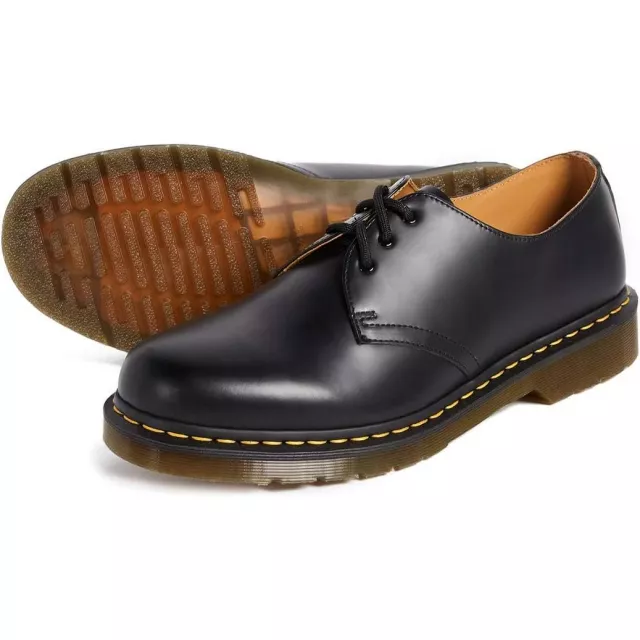
Black leather lace-up shoes from Dr. Martens are built for durability and day-to-day versatility, pairing a heritage workwear look with modern street style. Choosing the right pair comes down to leather type, sole feel, break-in expectations, and getting sizing right—especially if the shoes are intended for long walks, commuting, or all-day standing. For more guidance, see How do I understand “women’s” vs “men’s” vs “unisex” styles?.
What Defines Dr. Martens Women’s Leather Lace-Up Shoes
Dr. Martens women’s black leather lace-ups stand out because they feel structured and intentional, not flimsy or purely decorative. Even when the silhouette looks sleek, the construction typically leans supportive and substantial.
- Signature look: Smooth or textured leather uppers, contrast stitching on many models, and a structured lace-up silhouette.
- Supportive build: A firm heel counter and stabilizing upper help the shoe hold its shape over time.
- Sole personality: Often thicker and more shock-absorbing than standard fashion oxfords, with a distinct tread pattern for grip.
- Style range: Works with denim, trousers, maxi skirts, and dresses—especially when balancing a tougher shoe with softer fabrics.
How to Choose the Right Pair (No-Stock Guide)
If you’re comparing a few Docs-style lace-ups and want the best match for your daily routine, focus on the shoe’s shape, the leather’s softness, and the sole’s “feel” underfoot. Those three factors make a bigger difference than small cosmetic details.
- Pick the silhouette: Ankle boot styles (like the iconic 8-eye profile) feel more supportive around the ankle; low lace-up shoes feel lighter and can be easier in warm weather and office settings.
- Choose the leather: Smooth leather looks classic but can feel stiffer at first; softer leathers (often labeled nappa, virginia, or similar) typically break in faster.
- Decide on toe room: A snug heel with comfortable toe space usually helps prevent blisters; avoid crushing the toes because leather stretch is limited in the toe box.
- Match the sole to your day: Chunkier soles can reduce foot fatigue on hard pavement; slimmer soles feel more flexible and less heavy.
- Plan for break-in: Expect initial stiffness; prioritize socks, gradual wear, and heel protection for the first several outings.
- Consider climate and care: Wet conditions call for consistent conditioning and water-resistance strategies; dry climates still need conditioning to reduce the risk of drying and cracking.
Quick selection guide for women’s leather lace-up Docs
| What matters most |
Best direction |
Why it helps |
| Fast break-in |
Softer leather options (often nappa/virginia-style) |
Less stiffness and fewer hot spots early on |
| All-day city walking |
Cushioned/thicker sole profiles |
More shock absorption on pavement |
| Office-friendly styling |
Low lace-up or sleeker toe shape |
Pairs well with trousers and minimal outfits |
| Wet-weather use |
Regular conditioning + water protection |
Helps reduce water spotting and leather drying |
| Wide-feeling forefoot |
Roomier toe box and careful sizing |
Reduces pressure and numbness on longer wear |
Fit and Sizing: What to Check Before Ordering
Fit issues with leather lace-ups usually come from volume (instep height, tongue padding, sock thickness) rather than pure length. A pair can feel “right” when standing still and still cause friction once you start walking.
- Length vs. width: Foot length may fit while the instep feels tight; lace placement and tongue padding can increase pressure across the top of the foot.
- Heel hold: A small amount of lift can be normal at first, but persistent slipping can lead to blisters—heel grips or adjusted lacing can help.
- Sock strategy: Thick socks can turn a borderline fit into an overly tight one; test sizing with the sock thickness you’ll actually wear most days.
- Insole considerations: Adding an insole can improve comfort and snugness, but it reduces volume—plan for that before deciding your size.
- Return-friendly approach: If between sizes, the safer option is often the size that avoids toe pressure, then fine-tune volume with socks or insoles.
For brand-specific measurement guidance, consult the official Dr. Martens Size Guide before placing an order.
Comfort and Break-In: Getting Through the First Wears
Many women love the long-term comfort of Docs, but the first few wears are where you earn it. The upper tends to relax, while the sole feel stays mostly the same—so choose the sole profile you like from day one.
Styling Ideas for Black Leather Lace-Ups
Leather Care and Longevity
For product-specific steps and do’s/don’ts, reference the official Dr. Martens Shoe Care & Cleaning Guides.
FAQ
Can a 60 year old woman wear Dr. Martens?
Yes. Dr. Martens can look sharp at any age—try them with tailored trousers, straight-leg denim, or midi skirts for a modern, confident balance, and consider softer leathers plus cushioned insoles for easier comfort.
What is special about 1460 Dr. Martens?
The 1460 is the iconic 8-eye lace-up boot that defines the brand’s heritage look. It’s recognizable for its durable build, structured silhouette, and long-term wear potential, making it a staple that works with both casual and dressed-up outfits.
Should I size up or down in Doc Martens 1460?
Avoid sizing that causes toe pressure; toe room matters more than a snug feel across the instep. If you’re between sizes, many shoppers do best choosing the size that gives comfortable toe space, then adjusting volume with socks, heel grips, or an insole.
Recommended for you











Leave a comment