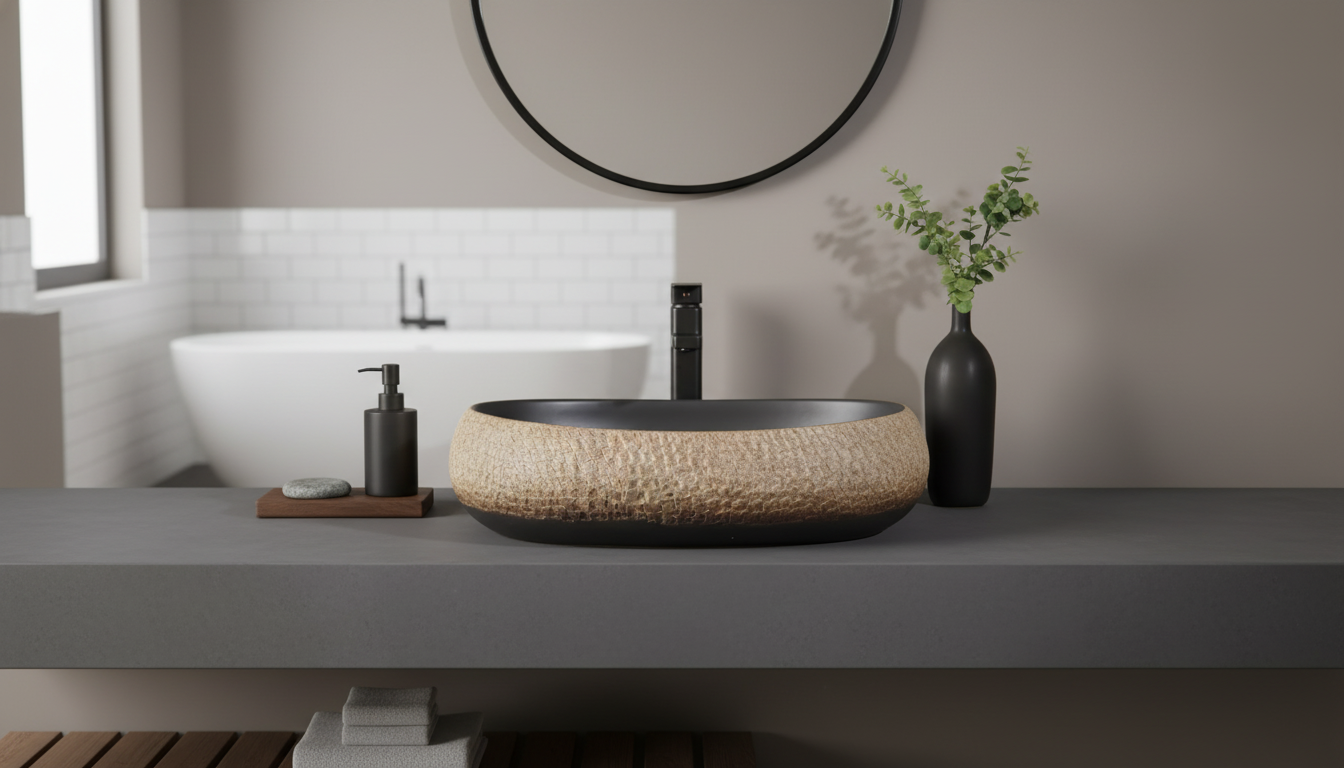
A ceramic oval countertop sink offers a balanced look that suits modern and classic vanities alike. With a smooth glazed surface and above-counter installation, it can elevate the vanity area while staying practical for daily use. The details that matter most are sizing, faucet compatibility, drain configuration, and maintenance expectations—especially when planning a refresh or a full bath remodel.
Why an Oval Countertop Sink Works in Many Bathrooms
The oval silhouette softens the visual lines of a vanity, which can make a bathroom feel more welcoming—especially in smaller spaces where sharp corners can look busy. An above-counter (vessel-style) sink naturally becomes a focal point, drawing attention upward without requiring changes to wall layout or tile.
Functionally, an oval bowl can feel comfortable for hand-washing because the curved sides guide water back toward the drain. The key is pairing bowl depth with the right spout reach so water lands closer to the center instead of splashing against the rim. When the countertop has adequate surface area, an oval vessel sink can work equally well in a compact powder room or on a larger primary vanity.
Ceramic Material Benefits and What to Expect
Glazed ceramic is popular for bathrooms because it offers a smooth, non-porous surface that resists staining and odor absorption with routine cleaning. For most households, it holds up well to daily use—soap, toothpaste, and makeup residue wipe away easily when addressed regularly.
Ceramic also tolerates typical bathroom temperatures (warm water, occasional heat from styling tools placed nearby), but sudden thermal shock is still worth avoiding. For example, pouring very hot water into a cold bowl can stress materials over time. Scratch resistance is generally strong for everyday wear, though abrasive pads and gritty cleansers can dull the glaze. If color matching matters, inspect the finish under natural light after installation to confirm it complements surrounding fixtures.
Choosing the right sink is mostly about fit and compatibility. A vessel sink can look refined, but only when the vanity depth, faucet, and drain are planned as a system.
1) Measure for footprint, height, and daily comfort
Start with the vanity depth. The sink base should sit fully supported on the counter, leaving enough room in front for comfortable use and enough room behind for faucet hardware if you’re using a deck-mounted faucet. Consider overall height as well: countertop thickness + sink height + faucet height should keep splashing manageable and preserve a comfortable hand-washing position.
2) Match the faucet to the sink rim height and spout reach
Taller vessel sinks usually pair best with vessel-height faucets or wall-mounted faucets. The spout should clear the rim with space to wash hands comfortably, and the water stream should land near the drain line. For efficiency, look for a faucet that meets WaterSense criteria where appropriate (learn more at EPA WaterSense — Bathroom Sink Faucets).
3) Confirm drain hole and overflow requirements
Check whether the basin includes an overflow. A sink without an overflow typically requires a non-overflow drain so the sealing surfaces align correctly. Also confirm the drain hole size is compatible with standard bathroom drain assemblies before ordering accessories.
4) Verify countertop cutout needs before drilling
Some countertop sinks only require a drain hole; others require a larger cutout. This matters most for stone and engineered surfaces where rework is costly. Always confirm the sink’s template and installation requirements in advance.
5) Plan cabinet clearance for plumbing and service
Quick Fit Checklist for a Countertop Oval Sink
| Item to Verify |
Target/Rule of Thumb |
Why It Matters |
| Vanity depth |
Enough depth to keep the bowl fully supported |
Prevents overhang and improves stability |
| Faucet type |
Vessel-height or wall-mount; deck-mount if counter space allows |
Ensures proper spout reach and comfortable hand clearance |
| Spout reach |
Spout lands near the drain line |
Reduces splash and keeps water centered |
| Drain configuration |
Overflow vs. no-overflow drain matched to basin |
Prevents leaks and ensures correct sealing |
| Countertop cutout |
Drain-only hole or full cutout per sink spec |
Avoids costly rework on stone/solid surfaces |
| Cabinet clearance |
Room for trap and shutoffs |
Makes installation and service access easier |
Faucet and Drain Pairing for a Clean Installation
Installation Notes That Prevent Common Problems
Cleaning and Long-Term Care
Design Pairings: Vanity Tops, Colors, and Styles
In smaller bathrooms, keep accessories minimal and consider a mirror that echoes the oval shape for visual harmony. Coordinating finishes across towel rings, soap dispensers, and lighting helps the vanity area look cohesive rather than mixed and accidental. If you’re planning around clearances for comfort or accessibility, review established layout recommendations such as the National Kitchen & Bath Association (NKBA) — Bathroom Planning Guidelines and, where applicable, the 2010 ADA Standards for Accessible Design.
FAQ
Do countertop ceramic sinks need a special faucet?
Many setups use a vessel-height faucet or a wall-mount faucet so the spout clears the rim and the water stream lands near the drain. A standard deck-mounted faucet can work if the sink height is low enough and the spout reach is appropriate, but confirm height, reach, and countertop hole configuration first.
How is a ceramic countertop sink sealed to the counter?
Dry-fit the sink to confirm positioning, then apply a continuous bead of bathroom-grade silicone at the contact edge, set the sink, and clean any squeeze-out. Proper sealing helps keep water from migrating under the rim and protects the countertop surface.
Can a ceramic vessel sink handle hot water and daily cleaning?
Yes—ceramic is well-suited to normal bathroom temperatures and routine cleaning. Use mild, non-abrasive cleaners and avoid sudden extreme temperature changes or abrasive pads that can dull the glaze.
Recommended for you












Leave a comment