Can sunglasses be both polarized and UV protected?
Answer
Yes. Sunglasses can absolutely be both polarized and UV protected, and the two features do different jobs. Polarization is a glare-control filter that cuts harsh reflections bouncing off flat surfaces like water, pavement, snow, and car hoods. UV protection blocks ultraviolet radiation (UVA and UVB) that can contribute to eye damage over time.
The important detail is that polarization does not automatically mean UV protection. A lens can be polarized yet offer little to no UV blocking if it isn’t made with a proper UV-protective material or coating. Likewise, a lens can provide 100% UVA/UVB protection without being polarized. The best pairs combine both: strong UV protection for eye safety and polarization for clearer, more comfortable vision in bright conditions.
When shopping, look for labeling such as “100% UVA/UVB,” “UV400,” or “blocks 100% of UV rays.” Then, confirm polarization separately. Many brands mark polarized lenses on the lens itself or on the product tag; if not, a retailer should state it clearly in the specs. Darker tint alone isn’t a reliable sign of UV protection—some dark lenses without UV blocking can be worse because they may cause pupils to dilate and let in more harmful rays.
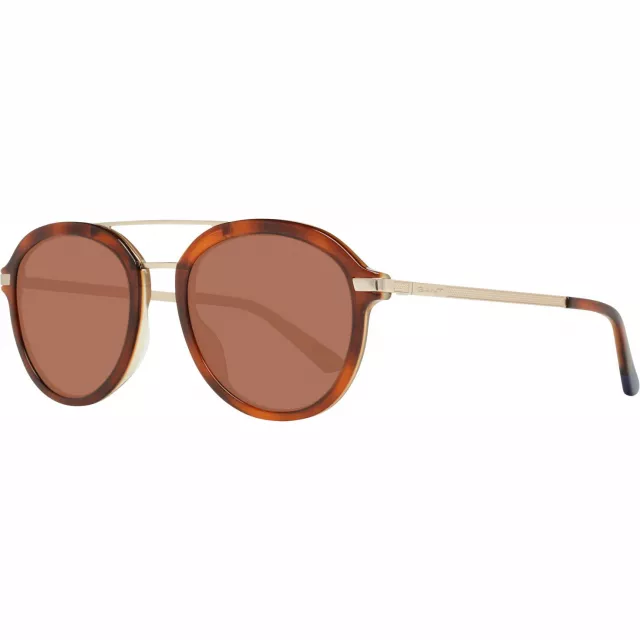
If you want a concrete example of UV-forward eyewear details—like what “100% UVA/UVB protection” means and how it’s presented on product pages—see this guide: Gant men’s brown oval sunglasses with 100% UVA/UVB protection. Use it as a reference point for what to expect in a well-described pair.
Bottom line: choose sunglasses that clearly state full UV protection first, then add polarization if you spend time driving, fishing, skiing, boating, or doing any activity where reflected glare is a problem.
For Polarized vs UV Protection: Can Sunglasses Have Both?, the best answer depends on fit, material, care instructions, and how the product will be used day to day.
FAQ
What is UV400 protection on sunglasses?
UV400 means the lenses are designed to block ultraviolet rays up to 400 nanometers, typically covering both UVA and UVB. It’s a common way brands indicate full UV protection.
Recommended for you









Leave a comment