What is the most reliable tankless gas water heater?
The most reliable tankless gas water heater is one that consistently matches your home’s hot-water demand, is correctly sized for your climate, and comes from a manufacturer with proven safety controls and long-term parts support. In practice, reliability comes down to a short list of factors: stable temperature performance, durable heat exchanger construction, strong warranty coverage, and an installation that follows venting and gas-supply requirements.
A dependable benchmark for many households is an indoor natural gas unit sized around the mid-to-high flow range (for example, models in the ~5+ GPM class) with robust BTU input and built-in protections such as freeze prevention, overheat sensors, and flame failure detection. These features reduce nuisance shutdowns and help the heater keep working through seasonal changes and daily use.
What to look for in a “reliable” model
Right-sizing: Undersized units run at their limits, which can increase wear and cause temperature swings. Choose a flow rate and BTU rating that fit simultaneous uses (showers, laundry, dishwasher) and incoming water temperature.
Quality components: Prioritize models known for durable heat exchangers, responsive gas modulation, and solid error-code diagnostics that make service faster when needed.
Serviceability: Reliability includes how easily a unit can be maintained. A straightforward descaling routine and accessible inlet filters help prevent scale buildup and flow restrictions.
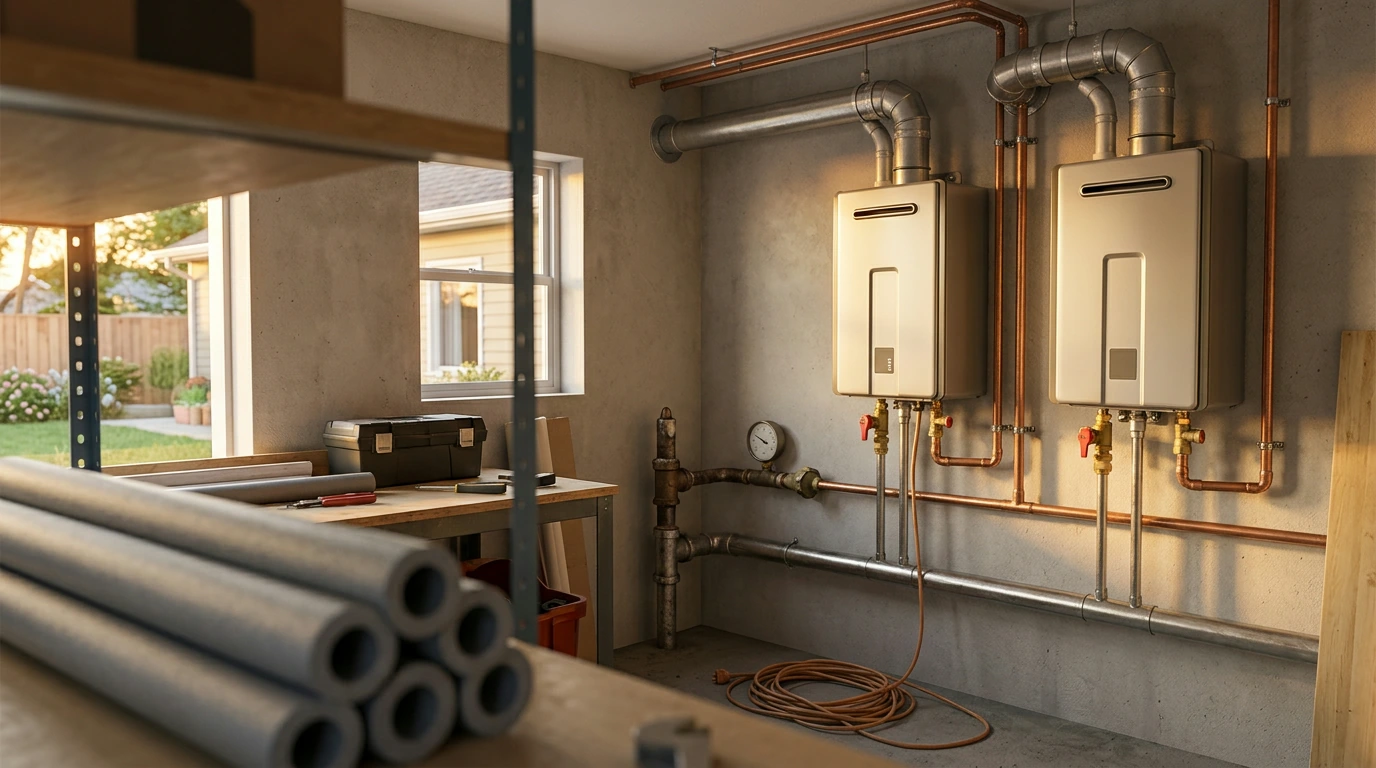
Proper installation: Many “failures” trace back to incorrect venting, undersized gas lines, or poor condensate handling on high-efficiency units. A qualified installer is part of buying a reliable heater.
A practical starting point
If you’re comparing dependable indoor gas tankless options in a popular performance range, use this reference for sizing and feature considerations: 5.28 GPM 132K BTU Indoor Gas Tankless Water Heater Guide.
FAQ
How do I choose the right GPM for my home?
Add up the hot-water flow of fixtures you expect to run at the same time, then factor in colder incoming water temperatures that reduce effective flow. Choosing a slightly higher capacity than your peak demand helps maintain stable temperatures.
Recommended for you









Leave a comment