What is the difference between BTU and GPM for tankless water heaters?
BTU and GPM measure two different parts of tankless water heater performance. BTU (British Thermal Units) tells you how much heat the unit can produce, while GPM (gallons per minute) tells you how much hot water flow the unit can deliver. Together, they determine whether a tankless heater can keep up with your home’s demand at your incoming water temperature.
BTU: the heater’s “power” to raise water temperature
BTU rating (often shown as BTU/hr) indicates how much energy the burner can put into the water each hour. A higher BTU unit can create a larger temperature rise, meaning it can heat colder incoming water to your target outlet temperature more easily, or maintain hot water at higher flow rates. BTU is especially important in colder climates where groundwater starts much colder in winter.
GPM: the amount of hot water you can get at a given temperature rise
GPM is the flow rate the heater can support while still reaching a set temperature. The key detail is that GPM is not a single fixed number in real-world use—it’s tied to temperature rise. If incoming water is colder, the heater must work harder to raise the temperature, and the achievable GPM drops. If incoming water is warmer, the same unit can usually deliver higher GPM.
How BTU and GPM work together when sizing
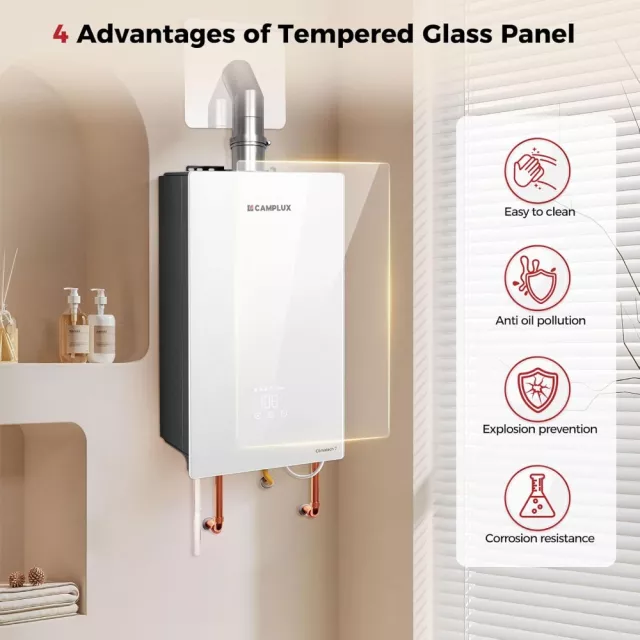
Think of BTU as the capacity and GPM as the output you experience at the tap. If you want to run multiple fixtures at once (for example, a shower and a sink), you add up the combined flow rate and then consider whether the unit has enough BTUs to hit the needed temperature rise at that flow. For a concrete example of how a higher-BTU indoor gas tankless heater is typically positioned for stronger whole-home performance, see this product guide: 5.28 GPM, 132K BTU Indoor Gas Tankless Water Heater.
FAQ
How do I size a tankless water heater for my home?
Add up the GPM of the fixtures you want to run at the same time, then match that flow to a unit that can achieve your desired outlet temperature given your local incoming water temperature. Colder incoming water requires more BTU to maintain the same GPM.
Recommended for you










Leave a comment