What are common problems with mushroom tents?
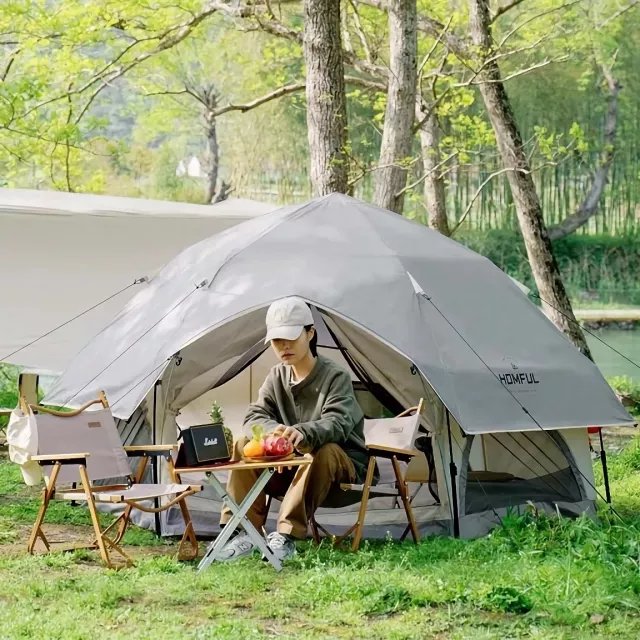
Mushroom tents are popular for their quick setup and roomy “hub” shape, but a few recurring issues can pop up depending on weather, terrain, and how the tent is pitched. Knowing what to watch for helps prevent a minor annoyance from turning into a trip-ruiner.
1) Wind instability when not fully anchored
The rounded profile can catch gusts if guy lines and stakes aren’t used correctly. When corners aren’t tensioned evenly, the tent may flex, flap loudly, or shift in stronger wind—especially on exposed ridgelines or open fields. Using all attachment points, adding extra guy lines, and choosing solid stake placement usually makes the biggest difference. For wind-focused pitching tips, see this windproof mushroom tent guide.
2) Condensation and damp interior
Like many spacious tents, mushroom tents can trap humid air, particularly on cool nights or in rainy climates. Condensation tends to build along the canopy and drip when the fabric is bumped. Increasing airflow with vents, cracking doors when conditions allow, and keeping wet gear away from sleeping areas can reduce the problem.
3) Leaks from poor seam sealing or worn coatings
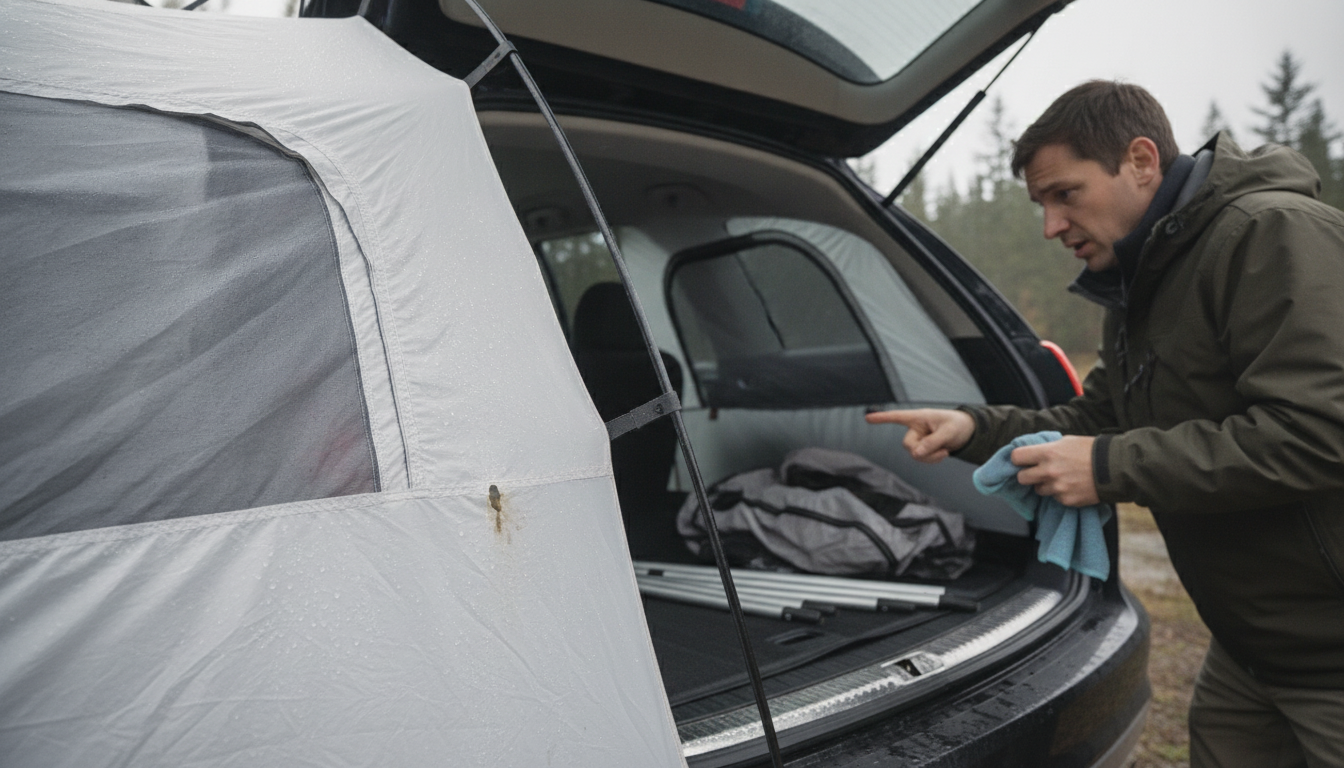
Some models need seam sealing out of the box, while older tents can develop issues as waterproof coatings degrade. Common leak zones include stitching around the roof, zipper tracks, and attachment points. If water shows up inside, checking seams, applying seam sealer, and refreshing water-repellent treatments can help restore performance.
4) Setup confusion or pole stress
“Fast setup” designs can still be mis-pitched if poles are forced, clips are skipped, or the floor isn’t squared before tensioning. This can create uneven stress on hubs and joints, making breaks more likely over time. Taking an extra minute to align the footprint and follow the pole sequence helps prevent damage.
5) Bulky packed size and heavier carry
The same structure that creates headroom can add weight and bulk. For car camping it’s usually fine, but it may feel cumbersome for longer carries. Packing the poles separately or splitting components between two people can make transport easier.
FAQ
How do you make a mushroom tent more windproof?
Stake every corner, tension the fly evenly, and use all guy lines—especially on the windward side. Position the lowest profile side into the wind and re-tension after the fabric settles.
Recommended for you









Leave a comment