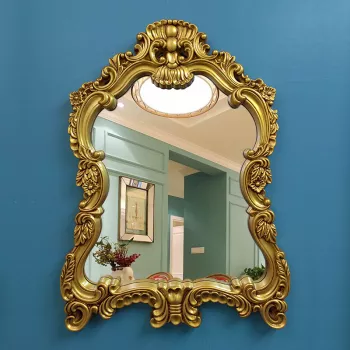
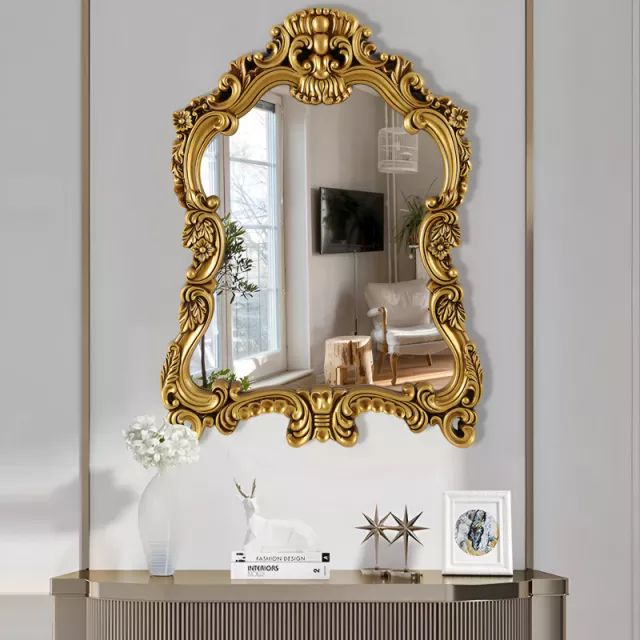
European Wall-Hanging Decorative Mirror for Bathroom and Dressing Room
A well-chosen wall mirror can brighten a bathroom, refine a dressing area, and make daily routines feel more polished. European-inspired decorative mirrors often emphasize elegant framing, balanced proportions, and an elevated presence that works equally well above a vanity or as a statement piece near a wardrobe. The ideas below cover styling, placement, moisture readiness, and practical selection criteria for a mirror that looks intentional and performs reliably.
Why a Decorative Wall Mirror Changes the Room
Mirrors do more than reflect—they reshape how a space feels and how comfortably it functions day to day.
- Adds visual depth and makes compact bathrooms and dressing corners feel more open.
- Reflects light from windows and fixtures to reduce shadowy areas around the face.
- Creates a focal point that can tie together hardware finishes, tile patterns, and textiles.
- Improves function for grooming, skincare, and outfit checks when hung at the right height.
- Supports a layered look when paired with sconces, art, or shelving.
Style Notes: European-Inspired Details That Look Intentional
European-influenced decorative mirrors tend to feel “finished” because the design choices are deliberate. A few specifics help the mirror read like part of the architecture rather than an afterthought.
- Frame presence: Decorative frames lean formal and established; thinner profiles feel lighter and more contemporary.
- Curves vs. angles: Arched and oval shapes soften hard bathroom lines; rectangular shapes feel tailored and architectural.
- Finish coordination: Match or purposefully contrast with faucet, towel bars, drawer pulls, and lighting finishes.
- Visual balance: Choose a frame width that doesn’t overwhelm the vanity or disappear against patterned walls.
- Pairing ideas: Combine with classic wall sconces, a small picture light, or a slim floating shelf for daily essentials.
If the room already has bold tile, a decorative mirror can echo that richness without competing—look for a frame profile that’s dimensional but not overly busy. In a calmer bathroom (solid paint, simple countertops), a more ornate frame can become the standout feature that elevates the whole wall.
Placement for Bathroom and Dressing Room Use
Placement is where looks and performance meet. The same mirror can feel luxurious or awkward depending on alignment and clearances.
- Vanity placement: Center the mirror to the sink and vanity, not just the wall space, so the reflection feels symmetrical when you’re standing at the basin.
- Height guideline: Position the mirror so the average user’s eye line lands near the center of the reflective area.
- Lighting planning: Aim for even, face-level light from sconces or a front-facing fixture; avoid harsh overhead-only lighting that can cast under-eye shadows.
- Dressing room placement: Allow enough step-back distance for full outfit checks; consider a wider mirror if space is limited and you can’t move far away.
- Clearances: Keep edges away from cabinet doors, towel rings, and swing paths so nothing clips the frame or forces a crooked layout.
For a dressing area near a wardrobe, a decorative wall-hanging mirror works especially well when it visually “anchors” a zone: align it with a console, hooks, or a small bench. In tight spaces, even a few inches of shift left or right can prevent door conflicts and create a more comfortable viewing angle.
Moisture, Fog, and Safety Considerations
Bathrooms demand more from a mirror than a hallway does. Heat, humidity, and frequent cleaning can affect frame finishes, backings, and mounting stability.
- Humidity readiness: Ensure the frame material and backing are suitable for moisture-prone rooms, especially if the mirror will sit close to a shower.
- Ventilation matters: Mirrors stay clearer and frames last longer when bathrooms are well-ventilated; improving airflow can meaningfully reduce condensation cycles. For ventilation fundamentals, see the EPA’s guidance on ventilation and indoor air quality.
- Fog management: Consider pairing with a defogging pad or improving airflow if frequent steam is expected.
- Wall integrity: Bathrooms often use tile and moisture-resistant drywall; use the correct anchors for the substrate so the mirror doesn’t shift over time.
- Safe mounting: Use rated hardware and confirm the mirror is secured level to prevent movement—especially important in busy households. For general home safety education, the U.S. Consumer Product Safety Commission (CPSC) safety resources are a helpful reference point.
To keep a decorative frame looking crisp, treat moisture like a routine maintenance item: wipe splashes promptly, run the fan, and avoid letting condensation repeatedly settle along the bottom edge where water tends to linger.
How to Choose the Right Mirror for Your Space
At-a-Glance Product Reference
Care and Upkeep for Long-Lasting Clarity
FAQ
What size wall mirror works best above a bathroom vanity?
A reliable rule is to choose a mirror about the same width as the vanity or slightly narrower, then center it to the sink for a balanced look. For wide or double-sink vanities, either use two mirrors (one per sink) or select a single mirror sized to visually cover the full vanity span.
Can a decorative framed mirror be used in a humid bathroom?
Yes—if the frame material and backing are suitable for moisture-prone rooms and the mirror is mounted with the correct hardware for tile or moisture-resistant drywall. Good ventilation and wiping splashes promptly help protect the finish and reduce long-term wear.
How high should a mirror be hung for daily grooming?
Hang the mirror so the center of the reflective area lands close to typical eye level for the main users, then adjust slightly to accommodate the household’s height range. The goal is comfortable viewing while standing naturally at the sink or in the dressing area without tilting your head.
Recommended for you









Leave a comment