A roomy rolling luggage set can simplify packing across short trips and long itineraries—especially when it pairs stable handling with quiet, smooth-rolling wheels. The details that look minor on a product page (handle width, wheel material, zipper build) often decide whether a packed case feels effortless or frustrating. Below is a practical breakdown of what to look for in a large-capacity set, how a wide pull rod improves control, what “silent wheels” usually means in real travel conditions, and how to plan sizes and features around the way trips actually happen.
What Makes a Luggage Set Worth Packing
A luggage set earns its keep when it covers multiple trip lengths without forcing awkward compromises. Instead of relying on one oversized suitcase, a well-chosen mix of sizes helps you pack appropriately and move more comfortably.
- Capacity that matches trip length: weekend, week-long, and extended travel are easier when each case size has a clear purpose.
- Stable handling: a wider pull rod and balanced chassis help reduce side-to-side wobble when the case is fully loaded.
- Quiet mobility: wheel compounds and bearings play a bigger role in perceived noise than most travelers expect.
- Practical organization: compartments for shoes, laundry, and toiletries reduce digging and “repacking on the floor.”
- Security and compliance: sturdy zippers, lock compatibility, and awareness of carry-on vs. checked sizing keep trips smoother.
Core Features: Large Capacity, Wide Pull Rod, Silent Wheels
Large capacity: when “more room” actually helps
A large-capacity case is most useful when it reduces the number of extra bags you’re juggling during transfers. It’s ideal for bulky layers, outerwear, or combining outfits for multiple activities in one trip. The trade-off is weight: the larger the case, the more likely you are to approach airline limits—so internal organization and smart distribution matter.
Wide pull rod: why it feels easier to steer
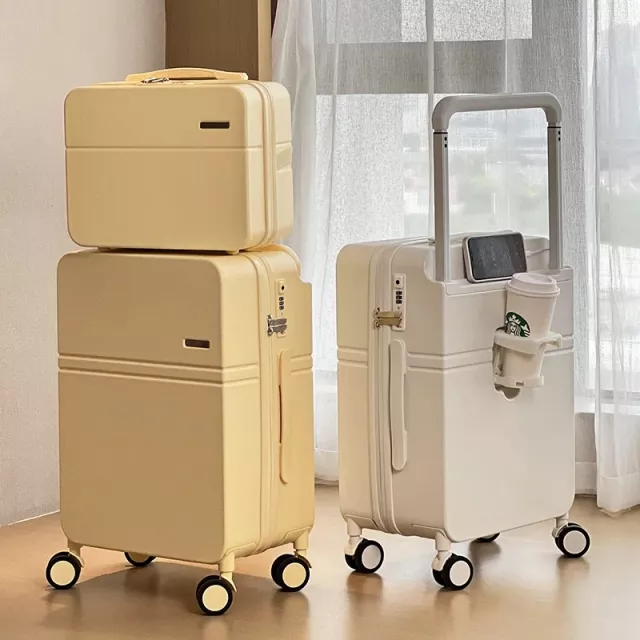
A wide pull rod improves leverage and helps the case track straighter, particularly when packed heavy. With less torsional twist, you typically get smoother steering through crowds and less wrist strain on long terminal walks. Handle rigidity also matters: a wide handle that wobbles at full extension can feel worse than a narrower, well-braced design.
“Silent wheels”: realistic expectations
Quieter rolling usually comes from softer wheel materials (often polyurethane) paired with better bearings. On polished airport floors and hotel corridors, that can noticeably reduce rattling. On rough pavement, expansion joints, or cobblestones, no wheel is truly silent—surface texture and load balance will still create vibration and sound.
Maneuverability checklist before you commit
- Swivel response: wheels should rotate smoothly without “catching” when you change direction.
- Consistent tracking: the case shouldn’t drift or pull to one side when rolled straight.
- Low vibration: a well-built wheel housing reduces chatter when crossing seams and rough sidewalks.
- Stability when parked: the suitcase should stand upright without tipping when packed for a real trip.
Materials, Build Quality, and Everyday Durability
Durability is less about shiny finishes and more about stress points—where luggage is most likely to fail after repeated trips.
- Shell and frame: rigid shells can resist crushing and protect fragile items; softer builds often offer exterior pockets and some “give” in tight spaces.
- Zippers and pullers: reinforced zipper tape and sturdy pullers reduce failures when you’re near full capacity.
- Corner and edge protection: corners take the brunt of curb drops and conveyor impacts; reinforcement helps preserve structure.
- Interior stitching and lining: strong seams keep dividers, straps, and panels from tearing under heavy packing.
- Handle mounts and wheel housings: these areas absorb repeated stress; secure fasteners and robust housings matter more than cosmetic details.
For air travel rules and baggage policies that can affect packing decisions, it helps to reference authoritative guidance such as IATA’s baggage information and the U.S. DOT Fly Rights (baggage) page.
Packing and Organization for Maximum Capacity
Maximum capacity isn’t just about liters—it’s about keeping the case stable, accessible, and easy to roll when it’s full.
If you travel with power banks, spare laptop batteries, or camera batteries, confirm what belongs in carry-on vs. checked luggage using TSA guidance on traveling with batteries.
Size Planning for Carry-On and Checked Trips
Quick Planning Table: Which Luggage Size Fits the Trip
| Trip Type |
Recommended Approach |
Packing Focus |
Notes |
| Weekend (2–3 days) |
Small case or compact rolling option |
1–2 pairs of shoes, light layers, minimal toiletries |
Prioritize quick access and easy overhead fit where permitted |
| Week-long (5–8 days) |
Medium case or split across two smaller cases |
Mix-and-match outfits, laundry plan, spare footwear |
Balance weight to keep rolling stable and quiet |
| Extended travel (10+ days) |
Large capacity checked case plus smaller companion bag |
Outerwear, bulkier items, multiple activity outfits |
Plan for weight limits and souvenirs on return |
How to Choose the Right Luggage Set Configuration
Care Tips to Keep Wheels Quiet and the Pull Rod Smooth
FAQ
Do silent wheels stay quiet on rough sidewalks?
Not completely. Wheel noise depends on the surface texture, wheel material (often polyurethane), bearing quality, and how balanced the load is; rough pavement and cobblestones will always create more vibration and sound.
Why does a wide pull rod feel more stable than a narrow handle?
A wider pull rod can reduce twisting (torsion) when the case is heavy, which helps it track straighter and wobble less. It also improves leverage for steering and can reduce wrist strain, though overall rigidity depends on the handle mounts and build quality.
How can overpacking affect rolling performance?
Overpacking increases zipper strain, raises tipping risk, and can make steering harder while amplifying wheel vibration and noise on rough surfaces. Using packing zones and placing dense items closer to the wheel side helps keep the case stable.
Recommended for you









Leave a comment