What are the disadvantages of a Newtonian telescope?
Newtonian reflectors are popular for their strong light-gathering and value, but they come with a few practical downsides that matter in everyday use.
They need regular collimation. Because a Newtonian uses mirrors, alignment can drift from bumps, temperature changes, or normal handling. When collimation is off, stars look softer and planetary detail fades, so owners should expect occasional tuning.
The open tube invites dust and dew. Many Newtonians have an open front, which makes the optics more exposed than a sealed design. That can mean more frequent cleaning and more sensitivity to humidity, especially during long observing sessions.
Cooldown time can slow things down. A larger primary mirror may take time to match outdoor temperature. Until it stabilizes, heat currents inside the tube can blur views, particularly at higher magnifications.
They can be bulky for their aperture. Compared with compact catadioptric designs, a Newtonian’s tube length (and the mount needed to support it) can be awkward for small cars, tight storage, or quick grab-and-go observing.
Ergonomics can be inconsistent. The eyepiece sits on the side of the tube, so its position changes as you point around the sky. Depending on the mount and target, viewing can require rotating the tube or adjusting tripod height to stay comfortable.
Edge-of-field aberrations can show up. Faster Newtonians (lower f/ratio) can exhibit coma near the edges of wide-field eyepieces, making stars look stretched unless you use a coma corrector or keep to narrower fields.
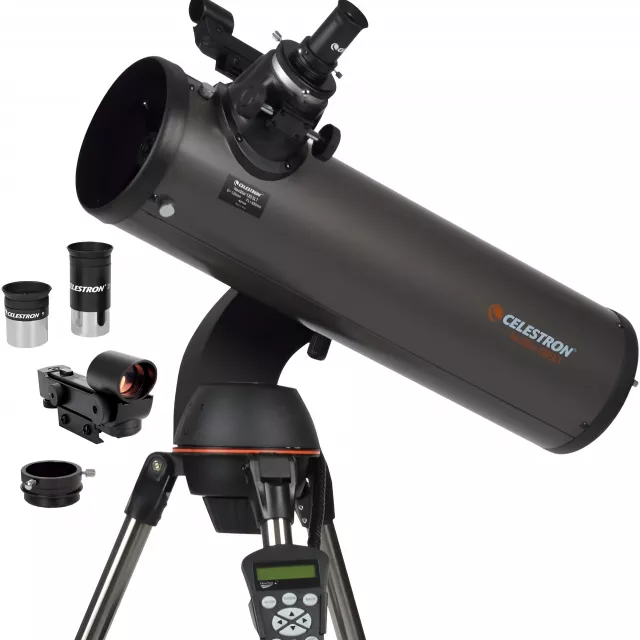
For a deeper look at compact Newtonians—especially paired with modern GoTo setups—see this guide to SkyAlign GoTo telescopes and compact Newtonian options.
For Newtonian Telescope Disadvantages: 6 Practical Drawbacks, the best answer depends on fit, material, care instructions, and how the product will be used day to day.
FAQ
What is collimation, and how often do Newtonians need it?
Collimation is aligning the primary and secondary mirrors so light reaches the eyepiece correctly. Many Newtonians benefit from quick checks before sessions, with adjustments needed more often if the scope is transported frequently.
Recommended for you









Leave a comment