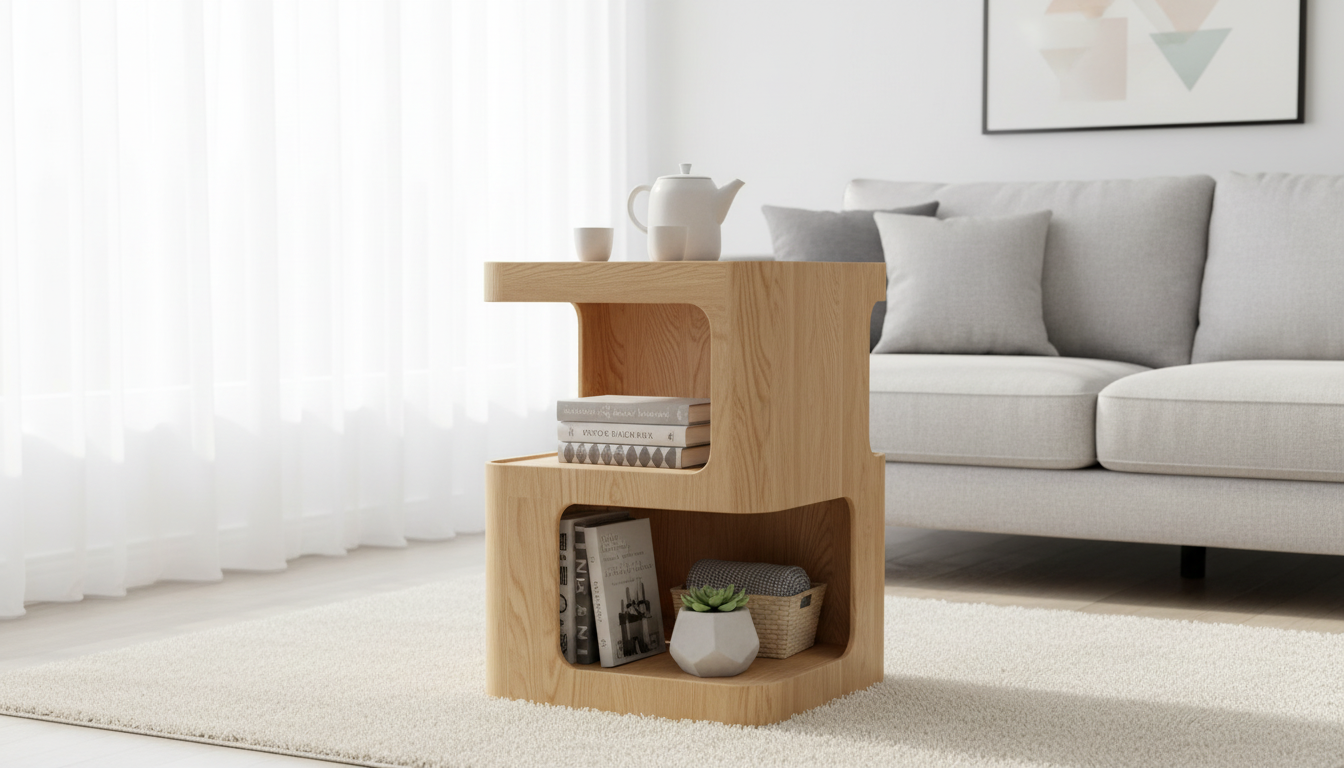
A compact tea table with clean Nordic lines and a geometric base brings order and visual interest to small living rooms, reading corners, and bedroom seating areas. The best choice balances proportions, stability, surface practicality, and materials that hold up to daily cups, books, and decor—without visually crowding the room. For more guidance, see Transcultural Zen design frameworks for enhancing mental ….
How to Choose
Start with placement: a tea table next to seating needs comfortable reach, while a hallway accent table needs a slimmer footprint and extra stability. From there, prioritize three things—height, top surface usability, and a base design that stays steady on your flooring (especially on rugs). For further reading, see Ode to a tea set | Washington State Magazine.
- Choose the job first: daily mug-and-book duty, decorative styling, or flexible “move-it-anywhere” convenience.
- Measure your seating: a tape measure and a quick arm-height check prevent buying a table that feels awkwardly tall or low.
- Confirm base clearance: geometric braces can be beautiful, but they shouldn’t steal knee room or catch toes in tight corners.
- Pick an easy-care finish: if hot drinks are common, look for sealed surfaces and commit to coasters.
What makes a Nordic geometric tea table feel “right” in a space
- Simple silhouette: an uncluttered top paired with a base that reads as intentional geometry rather than busy ornament.
- Visual lightness: slim profiles and open negative space help a small table avoid feeling heavy.
- Function-first details: smooth edges, a stable stance, and a surface that’s easy to wipe after hot drinks.
- Harmony with neutrals: especially at home with light woods, soft textiles, stone tones, and matte metals.
In practice, “right” often means the table looks calm from across the room but feels thoughtfully engineered up close—clean joinery, consistent finish, and geometry that supports the top without looking bulky.
Where a small tea table works best
- Beside a single armchair: keeps a cup, coaster, and book within easy reach without needing a large side table.
- As a compact center table: pairs well with a small sofa or loveseat when a full coffee table would block pathways.
- In a bedroom seating nook: creates a calm surface for a teacup, diffuser, or nighttime reading stack.
- Entry or hallway accent: a geometric base can add structure in narrow spaces where depth is limited.
If the room has multiple “micro-zones” (a reading chair plus a slim sofa, for example), a small tea table can act as the quiet connector—useful, but never visually bossy.
How to choose the right size and height
- Match height to seating: aim for the tabletop to sit close to the arm height of a chair or sofa so reaching for a drink feels natural.
- Keep walkways clear: leave enough space to pass without turning sideways; small rooms benefit from tighter footprints.
- Balance top diameter/shape to use: larger tops suit trays and small arrangements; smaller tops suit a single place setting.
- Plan for legroom: geometric bases can be striking, but ensure knees and feet won’t constantly bump edges or braces.
Quick sizing guide for a small tea table
| Placement |
Common height range |
Common top size range |
Notes |
| Next to an armchair |
20–26 in |
12–20 in |
Keep within easy reach; prioritize stability |
| In front of a loveseat |
15–20 in |
18–28 in |
Leave walkway space; consider rounded corners |
| Bedroom nook |
18–24 in |
14–22 in |
Choose a surface that wipes clean and resists rings |
| Hallway accent |
28–32 in |
10–16 in |
Prefer slim depth; avoid sharp protruding geometry |
When in doubt, err toward a slightly smaller top in tight rooms—especially if the table sits near a doorway swing or a frequently used path.
Materials and finishes that handle daily use
- Top durability: sealed wood, stone, or quality composites resist staining and are easier to clean after spills.
- Heat and moisture awareness: coasters matter; some finishes can develop rings or dull spots from hot cups.
- Base construction: metal or engineered structures can add strength; check for levelers or floor-friendly feet.
- Finish style: matte surfaces hide fingerprints better than gloss and often suit Nordic-inspired interiors.
For households that use the table multiple times a day, look for a sealed top with a consistent sheen and a base finish that won’t chip easily. General furniture measurement and placement tips can also help confirm scale before buying; see guidance from The Spruce.
Geometric base design: stability, safety, and comfort
For broader safety reminders around home furnishings, the American Home Furnishings Alliance (AHFA) provides furniture safety resources worth reviewing, especially for busy households.
Styling ideas that suit Nordic geometry
If the base is the statement, let it breathe—avoid overcrowding the tabletop. A single sculptural object or a low bowl can highlight the geometry without competing with it. For more layout inspiration and living room styling ideas, browse Architectural Digest.
Care and upkeep for long-lasting finish
FAQ
What height should a tea table be next to a sofa or armchair?
Target a tabletop height close to the chair or sofa arm height, typically within a few inches, so you can set down a cup without reaching up or down. If the table will sit on a rug, confirm it stays level and doesn’t wobble.
How can heat rings and water marks be prevented on a small table?
Use coasters or a small tray daily, wipe condensation promptly, and avoid placing very hot cups directly on the surface. Clean with finish-safe products to prevent dull spots, especially on matte coatings.
Are geometric base tables stable enough for everyday use?
They can be very stable when the base has a wide stance, balanced weight distribution, and level feet. In homes with kids or pets, choose designs that resist tipping and place the table on a flat, firm surface.
Recommended for you










Leave a comment