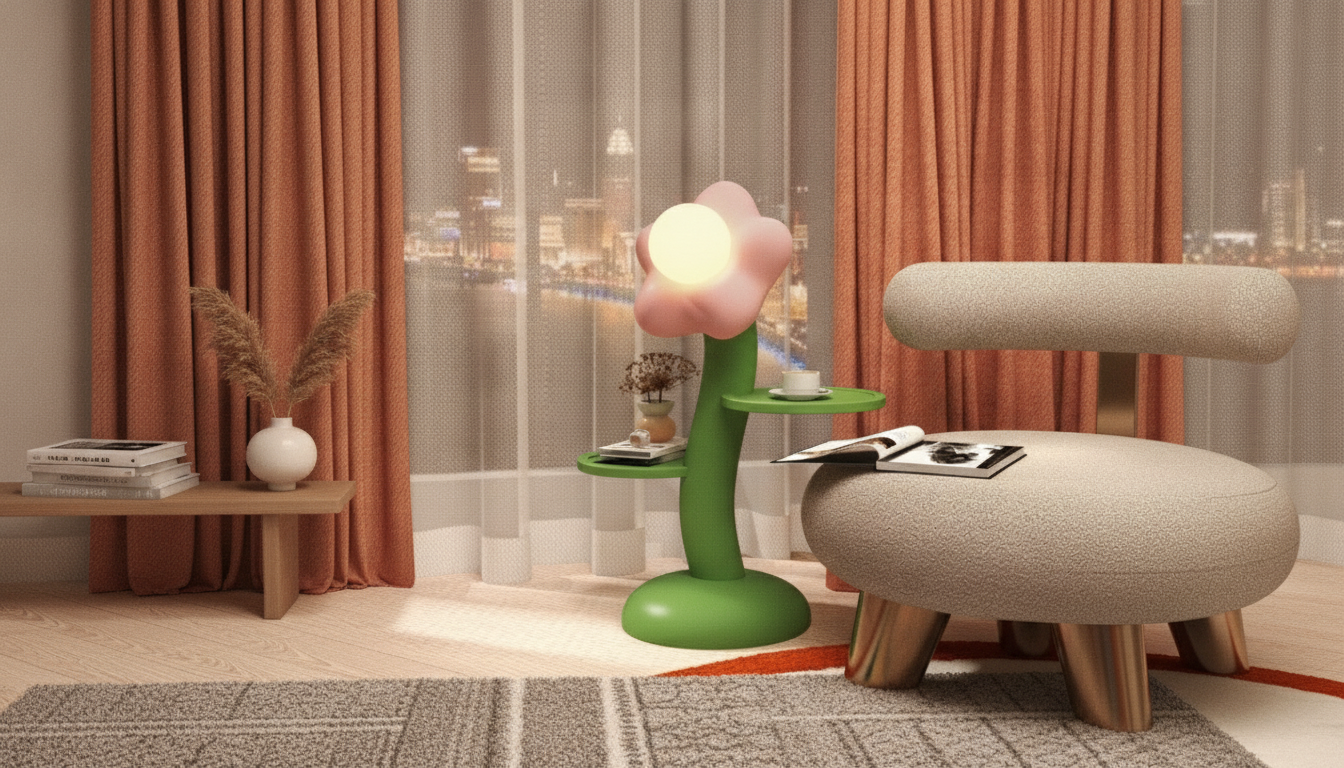
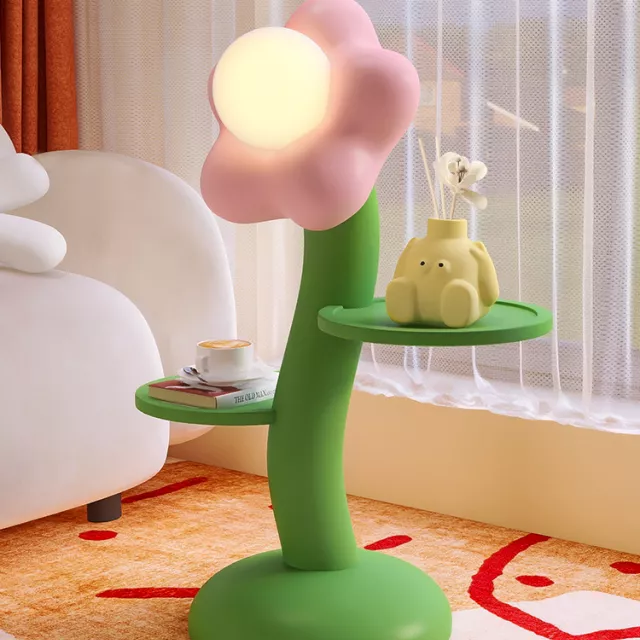
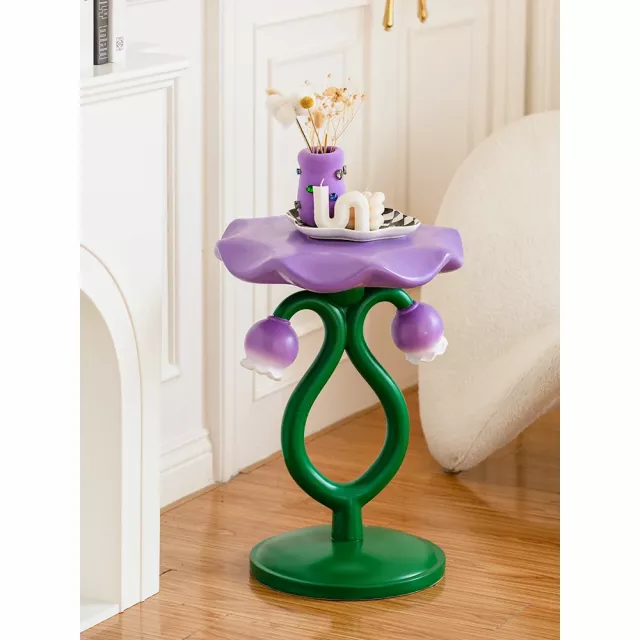
A sculptural side table can function as both a practical surface and a statement piece. With a flower-inspired form and Nordic-inspired simplicity, this style suits modern, minimalist, and soft contemporary rooms—adding visual interest without overwhelming the space. The result is a table that feels like functional art: calm at a glance, but full of shape and detail when you look closer. For more guidance, see Tornier reviews Japanomania in the Nordic Countries, 1875–1918.
What Makes a Flower Sculpture Side Table Distinct
Unlike traditional end tables that disappear into the background, a flower sculpture side table is designed to be noticed—even when it’s not holding anything. The base typically has petal-like contours or a layered silhouette that reads as decor on its own, giving a room a focal point without adding extra objects. For further reading, see National Nordic Museum | Go on a Nordic Journey Across 12,000 ….
- Sculptural base that reads like decor even when the tabletop is clear
- Nordic-inspired look: clean lines, calm presence, and a focus on form
- Works as a side table, accent table, or display pedestal depending on placement
- Pairs well with rounded sofas, boucle chairs, light woods, and neutral palettes
This style aligns with the broader tradition of Scandinavian design—an approach known for restrained simplicity and an emphasis on everyday usability. For a helpful overview of its roots and defining characteristics, see Encyclopedia Britannica’s entry on Scandinavian design.
Best Places to Use It at Home
Because the shape is inherently decorative, placement matters. The goal is to let the silhouette show, while keeping the surface easy to reach and genuinely useful.
- Living room: beside a sofa or lounge chair for drinks, books, or a small lamp
- Bedroom: as an alternative to a traditional nightstand for a lighter, art-forward look
- Entryway: a compact landing spot for keys and a small tray with a decorative object
- Reading corner: supports a warm lamp and a single stack of books without visual clutter
- Home office: a side surface for tea/coffee, headphones, or a small plant
In open-concept spaces, these tables also work well as “visual punctuation” near a conversational seating arrangement—especially when other furnishings lean low and linear.
How to Choose the Right Size and Proportions
Proportion is what makes a sculptural side table feel intentional rather than random. Start with height, then confirm that the top area matches what it needs to hold.
- Match tabletop height to nearby seating for comfortable reach and a balanced silhouette
- Leave enough clearance for knees and feet if placed next to a chair with a wide seat
- Choose a tabletop diameter/width that fits the intended items without looking oversized
- In smaller rooms, prioritize visual lightness (sculptural base + simple top styling)
- In larger rooms, consider two accent tables with different heights for layering
Quick Fit Guide for Common Placements
| Placement |
Recommended height relative to nearby furniture |
Clearance tips |
Styling idea |
| Next to sofa arm |
Around the same height as the seat cushion to slightly below the armrest |
Keep a clear path around the table edge for walkways |
Coaster + small tray + one sculptural object |
| Beside lounge chair |
Near seat height for easy reach |
Allow space for chair swivel/recline if applicable |
Slim lamp + 1–2 books |
| As nightstand alternative |
Close to mattress top or slightly below |
Ensure enough surface for phone, water, and a small light |
Catchall dish + small vase |
| Entryway accent |
Varies; aim for a comfortable standing reach |
Avoid sharp corners in narrow corridors; keep decor minimal |
Key tray + small bowl |
Materials, Finish, and What to Look For
When a base is sculptural, the table’s stability and finish quality matter even more. A beautiful profile won’t feel right if it wobbles or scratches easily.
- Stability: a sculptural base should feel secure and not top-heavy
- Surface durability: look for finishes that resist light scratches and wipe clean easily
- Edge profile: rounded edges feel softer in Nordic interiors and are friendlier in tight spaces
- Floor protection: pads or a smooth base helps prevent scuffs on wood, tile, and laminate
- Color coordination: choose tones that echo existing hardware, lighting, or accent decor
If your home has delicate flooring, small protective pads can prevent wear over time. For general floor care fundamentals, the National Park Service guide on floor care offers straightforward best practices that also apply at home.
How to Choose
Without changing the room’s mood, the right flower sculpture side table should “click” into your existing layout. Use these quick checkpoints to narrow options efficiently.
Styling Ideas That Keep It Calm and Intentional
Care and Maintenance
When a Sculptural Side Table Works Better Than Traditional Options
FAQ
Can a sculptural side table be used as a nightstand?
Yes, as long as the height aligns with the mattress and the surface fits essentials like a phone, water glass, and a small lamp. A small tray helps keep items from visually spreading out.
How do you style a statement side table without clutter?
Limit the top to a small tray and one accent piece, keep colors cohesive, and leave negative space so the sculptural base remains the focus. If you add a lamp, keep everything else minimal.
What should be placed under a side table to protect the floor?
Felt pads or protective feet help prevent scratches and reduce sliding on hard surfaces. On delicate flooring, a small area rug can add protection and subtle visual grounding.
Recommended for you









Leave a comment