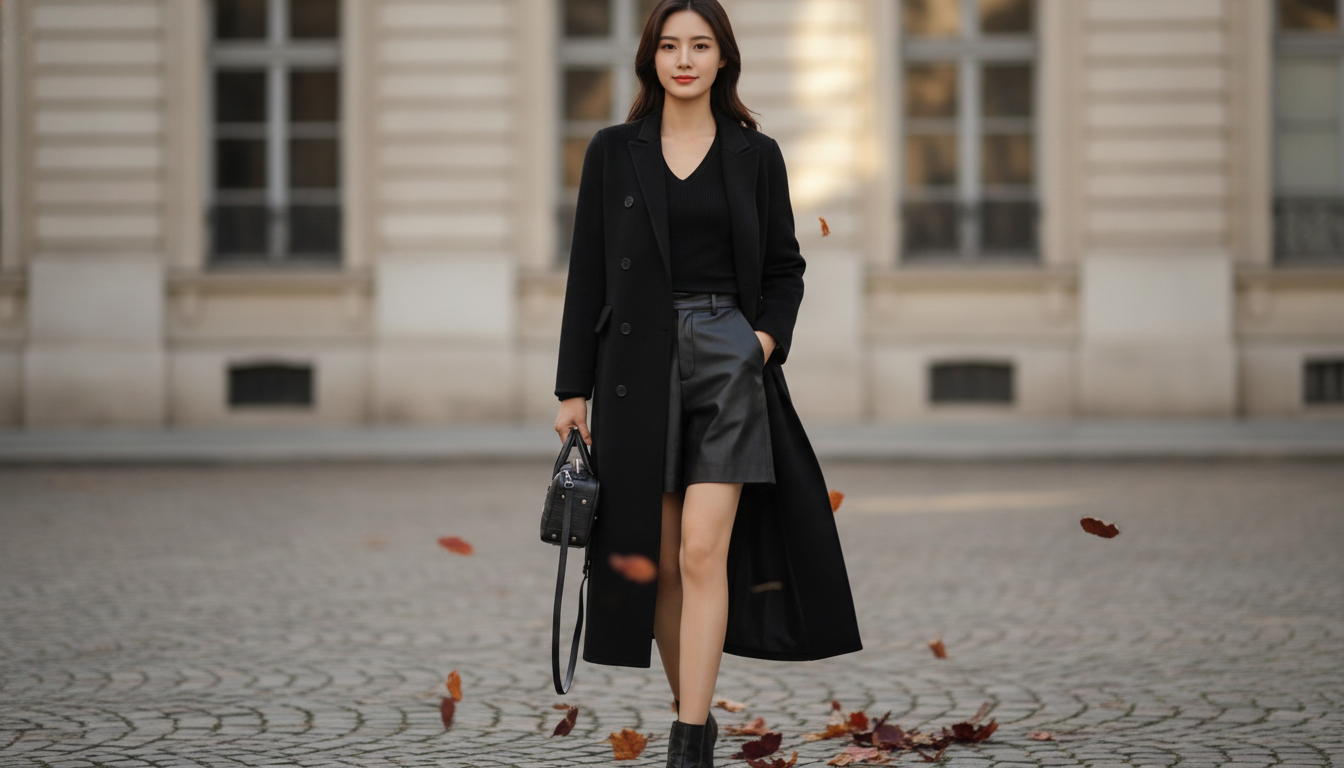
A minimalist long wool coat is a cold-weather staple built around simplicity: streamlined structure, versatile color, and enough warmth for daily wear. The right choice balances fabric composition, lining, fit, and practical details like closures and pockets—so it looks polished with everything from office tailoring to weekend denim.
What Defines a Minimalist Long Wool Coat
Minimalism in outerwear isn’t about looking plain—it’s about intentional design. A great long wool coat reads refined from a distance and feels functional up close, with every line serving a purpose.
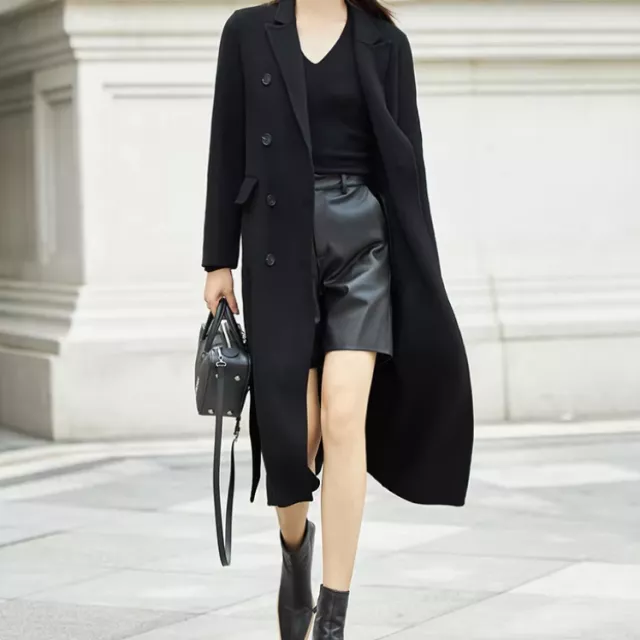
- Elongated silhouette: A longer cut (often mid-calf) layers smoothly over knits and blazers without looking bulky.
- Neutral palette: Black, charcoal, camel, navy, and cream make outfit pairing effortless and repeatable.
- Reduced ornamentation: Minimal hardware, no fussy trims, and clean seams keep the focus on shape and fabric.
- Simple closures: Single-breasted buttons, a hidden placket, or an understated belt create a streamlined front.
- Quiet structure: Subtle shoulder structure and light shaping (darts or princess seams) keep the profile modern and crisp.
Fabric and Warmth: What to Look For
Warmth isn’t just about thickness. The way a coat insulates, drapes, and holds up through a season depends on fiber content, fabric weight, and lining.
- Wool content: Higher wool percentages typically improve insulation, natural temperature regulation, and drape.
- Blends: Cashmere can add softness; synthetics can add resilience and reduce wrinkling during commutes and travel.
- Weight: Heavier fabrics generally feel warmer and hold their shape better in wind.
- Lining: A full lining improves comfort over sweaters, reduces friction, and can boost perceived warmth.
Quick guide to wool-coat materials
| Material/Blend |
How it feels |
Best for |
Trade-offs |
| High-wool blend |
Warm, structured, classic drape |
Everyday winter wear, commuting |
May need more careful cleaning; can pill with friction |
| Wool + cashmere |
Softer hand-feel, luxe drape |
Dressier looks, sensitive skin |
Often pricier; can be more delicate |
| Wool + polyester/nylon |
More resilient, less wrinkling |
Travel, frequent wear, budget-friendly options |
Can feel less breathable than higher-wool options |
| Recycled wool blend |
Warm with slightly varied texture |
Lower-impact wardrobes |
Texture and softness can vary by batch |
For fiber transparency, the garment label matters. The Federal Trade Commission’s Wool Products Labeling Act guidance outlines how wool content is defined and disclosed—useful when comparing similar-looking coats with different compositions.
Fit and Proportions That Look Intentional
A minimalist coat succeeds when it looks effortless while moving with you. Fit issues are easy to spot in long coats because the silhouette is uninterrupted—so proportion becomes the “detail.”
- Shoulders: Seams should land near the shoulder edge; too narrow restricts layering and pulls across the upper back.
- Sleeve length: Aim for coverage at the wrist bone with enough room to show a sweater cuff without bunching.
- Overall ease: It should close comfortably over a midweight knit without strain at buttons or across the chest.
- Length: Mid-calf is the most versatile; petite frames may prefer slightly shorter lengths to avoid overwhelming proportions.
- Belted vs. straight: Belts define the waist and allow adjustability; straight cuts read more architectural and minimal.
Details That Matter in Daily Wear
When the design is clean, construction and function do the heavy lifting. These are the features that separate a “nice-looking coat” from the one you reach for constantly.
- Pockets: Deep side pockets improve practicality and help keep hands warm without needing gloves for short walks.
- Closures: Buttons are classic; hidden snaps create a cleaner front; a belt lets you fine-tune warmth and shape.
- Collar and lapels: Sharper lapels look more tailored; stand collars can block wind and protect scarves from slipping.
- Venting: A back vent improves stride length and sitting comfort, especially in longer silhouettes.
- Finishing: Neat topstitching, reinforced stress points, and clean hems improve longevity and keep the coat looking crisp.
How to Choose a Minimalist Wool Long Coat
The “right” coat depends on your winter, your commute, and how you dress most days. Use climate and lifestyle to narrow the field quickly, then refine with fit and fabric.
Match the coat to your climate
Match the coat to your lifestyle
Decision checklist by priority
| Priority |
Choose this |
Why it helps |
| Maximum warmth |
Heavier wool blend + full lining |
Better insulation and less heat loss |
| Polished office look |
Tailored shoulders + clean front closure |
Sharper lines and elevated silhouette |
| Everyday versatility |
Neutral color + mid-calf length |
Works across casual and formal outfits |
| Easy layering |
Relaxed ease through chest/arms |
Comfort over thick sweaters without pulling |
Outfit Pairings That Keep the Look Minimal
Care and Storage to Keep Wool Looking New
For fiber-friendly handling tips, Woolmark’s guidance on wool care is a helpful reference: Woolmark: Care instructions for wool garments.
FAQ
Should a long wool coat fit snugly or allow room for layering?
It should allow comfortable room for layering—ideally you can close it over a midweight sweater without pulling at the shoulders or straining the buttons. Make sure you can reach forward and move your arms freely without tightness across the back.
How warm is a wool long coat compared with a puffer?
Wool insulates well and can block some wind, but it typically won’t match an insulated puffer in extreme cold. In low temperatures, a wool coat works best with smart layering (knitwear, thermals, or a warmer mid-layer) or for shorter outdoor time.
How often should a wool coat be dry-cleaned?
Dry-clean as little as practical to help preserve fibers and structure. Air it out between wears, spot-clean when needed, and only dry-clean when it’s visibly soiled or odors persist—always following the care label.
Recommended for you









Leave a comment