A 2-person infrared sauna brings spa-level heat therapy into a home routine with a smaller footprint than traditional saunas. Canadian hemlock is often chosen for its clean look, stability, and comfortable feel, while infrared heat focuses on a gentle, even warmth that many people find easier to tolerate. The guide below breaks down what to expect, which features matter most, and how to choose a unit that fits space, power, and wellness goals.
What a 2-person infrared sauna experience feels like
Infrared warmth is commonly described as steady and approachable. Instead of chasing extremely high air temperatures, many users focus on a comfortable cabin environment that still encourages a good sweat. Compared with high-humidity steam rooms or very hot traditional saunas, the experience can feel less stifling, which often makes longer, more consistent sessions easier to maintain.
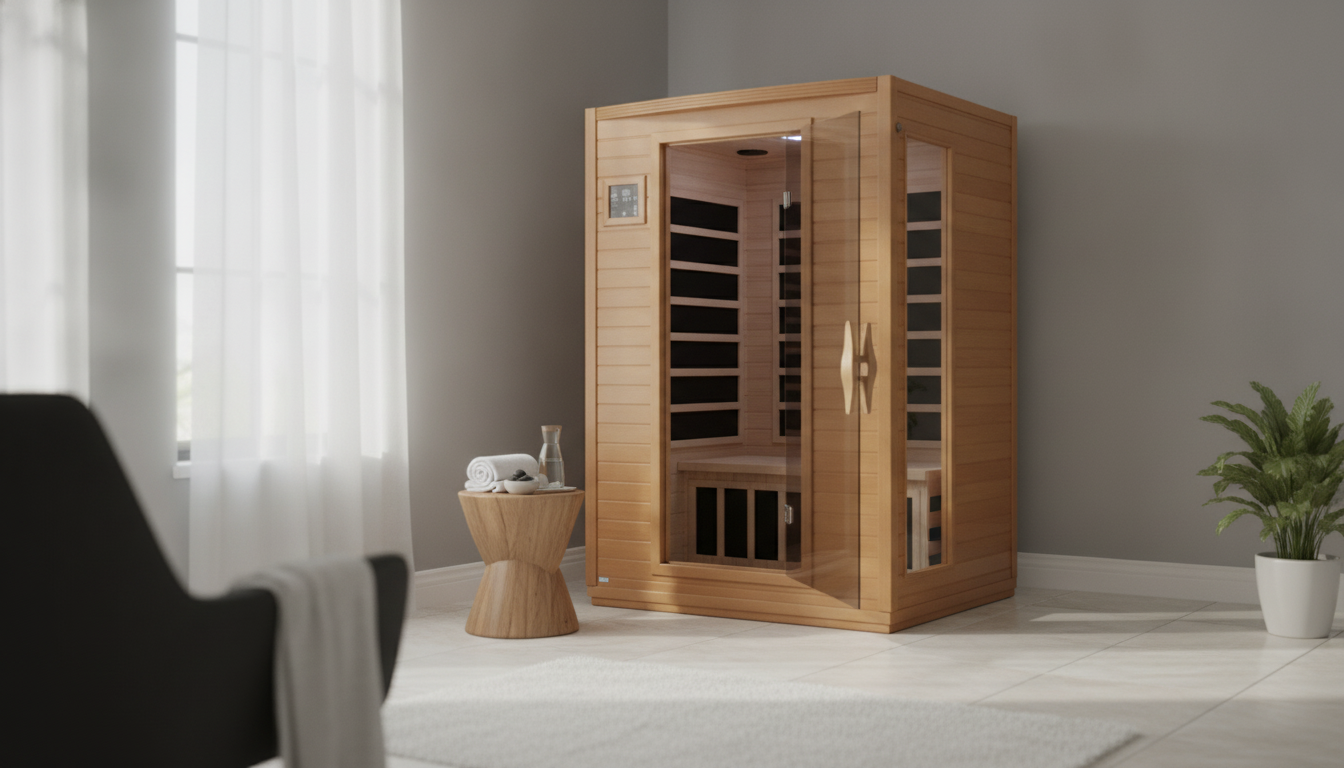
A typical 2-person cabin is designed for seated relaxation: roomy for one person who wants to stretch out, or a side-by-side setup for two adults who prefer shared sessions. Luxury construction often shows up in the “small” details—sturdier wall panels, tighter door seals, smoother sanding and finishing, and refined lighting and controls that make the sauna feel like a true daily retreat.
Many routines land in the 15–30 minute range for relaxation, post-workout recovery downtime, or a calming pre-bed ritual—always guided by comfort and individual tolerance.
Why Canadian hemlock is used for sauna cabins
Canadian hemlock is popular for home sauna interiors because it blends a bright, modern appearance with practical performance. The wood is often selected for its consistent grain and dimensional stability, helping reduce the risk of warping through repeated heating and cooling cycles.
From a comfort standpoint, hemlock tends to feel smooth and neutral during use. Many buyers also prefer woods with a low-resin feel, which can help avoid the “sticky” sensation sometimes associated with more resinous softwoods. For day-to-day upkeep, well-finished hemlock interiors are typically easy to wipe down after sessions, especially when paired with good ventilation habits.
Infrared heat basics: what changes compared with a traditional sauna
The biggest difference is how warmth is delivered. Infrared systems warm the body more directly, while traditional saunas primarily heat the air and surrounding surfaces. That difference affects the overall feel: the cabin may run at lower ambient temperatures than a traditional sauna, yet still feel deeply warming.
Warm-up time also tends to be straightforward—many infrared cabins reach comfortable use relatively quickly, though the exact timing depends on room temperature, insulation, door sealing, and the heater design. For some people, the lower air temperature is also more breathable than the intense dry heat of a traditional sauna session.
Even at lower temperatures, sweating can still be significant. Hydration, pacing, and a short cool-down remain essential for comfort and safety. For more context on general benefits and safety considerations, see guidance from Cleveland Clinic and Harvard Health Publishing.
Luxury features that make day-to-day use easier
Luxury isn’t only about looks—it’s about how smoothly the sauna fits into a routine. Controls and timers should be intuitive, with clear displays and a session timer that matches realistic use. Soft interior lighting helps create a calmer environment; some models add chromotherapy-style color options for mood setting. Audio features such as integrated speakers or Bluetooth can make guided breathwork, meditation, or music sessions feel effortless.
Comfort is also an ergonomic question. Bench height, edge smoothness, and back support matter when you’re sitting for 20 minutes or more. Finally, build details—door hinges, handles, seals, and panel joinery—affect noise, heat retention, and long-term durability.
| Feature |
Why it matters |
What to look for |
| Timer and auto shutoff |
Helps prevent overlong sessions and supports routine use |
Readable timer, auto shutoff, easy on/off |
| Lighting options |
Sets a calming environment and improves visibility |
Soft warm light, optional color modes, low glare |
| Audio connectivity |
Adds guided sessions and entertainment |
Bluetooth/aux, simple controls, decent speaker placement |
| Bench comfort |
Reduces fidgeting and posture strain |
Smooth finish, supportive height, optional backrest |
| Door seal quality |
Improves heat retention and reduces drafts |
Snug close, solid handle, minimal gaps |
Installation and home readiness
Before delivery, measure the intended location carefully—including door swing clearance and a little breathing room around the unit. A stable, level surface is important; if the sauna will live near a bathroom or pool area, consider flooring that tolerates occasional moisture and is easy to dry.
Safety, comfort pacing, and who should check with a clinician
Hydration is non-negotiable. Drink water before and after sessions, and pay attention to how you feel—significant sweating can occur even when the cabin temperature seems moderate. (For dehydration symptoms and prevention, refer to Mayo Clinic.)
How to choose the right 2-person infrared sauna for a home
Care and upkeep for wood, glass, and electronics
FAQ
How long should a typical infrared sauna session be?
Many people use an infrared sauna for about 15–30 minutes. Start shorter and adjust based on comfort, hydrate before and after, and stop if you feel lightheaded or unwell.
Is Canadian hemlock a good wood choice for an infrared sauna?
Canadian hemlock is often chosen for its stability, smooth feel, low-resin preference, and bright, modern appearance. As with any wood, overall build quality and finishing make a major difference in long-term satisfaction.
What electrical setup is usually needed for a 2-person infrared sauna?
Requirements vary by model, so confirm the sauna’s voltage and amperage and ensure the room circuit matches (a dedicated circuit may be needed). Avoid extension cords unless the manufacturer explicitly approves them for that unit.
Recommended for you










Leave a comment