Should sunglasses be uva and uvb for driving?
Yes. For driving, sunglasses should protect against both UVA and UVB rays because you’re exposed to sunlight for long stretches, often with extra glare bouncing off the road, windshields, and other cars. UVB is strongly linked to sunburn and acute surface damage, while UVA penetrates deeper and contributes to long-term eye aging. A pair labeled “100% UVA/UVB” (or “UV400”) helps cover the full range of harmful ultraviolet radiation.
It’s worth noting that a darker tint alone doesn’t equal better UV protection. In fact, dark lenses without proper UV filtering can be worse, because your pupils may dilate behind the tint and let in more damaging UV. That’s why the UV rating matters more than the lens darkness when choosing driving sunglasses.
What to look for in driving sunglasses
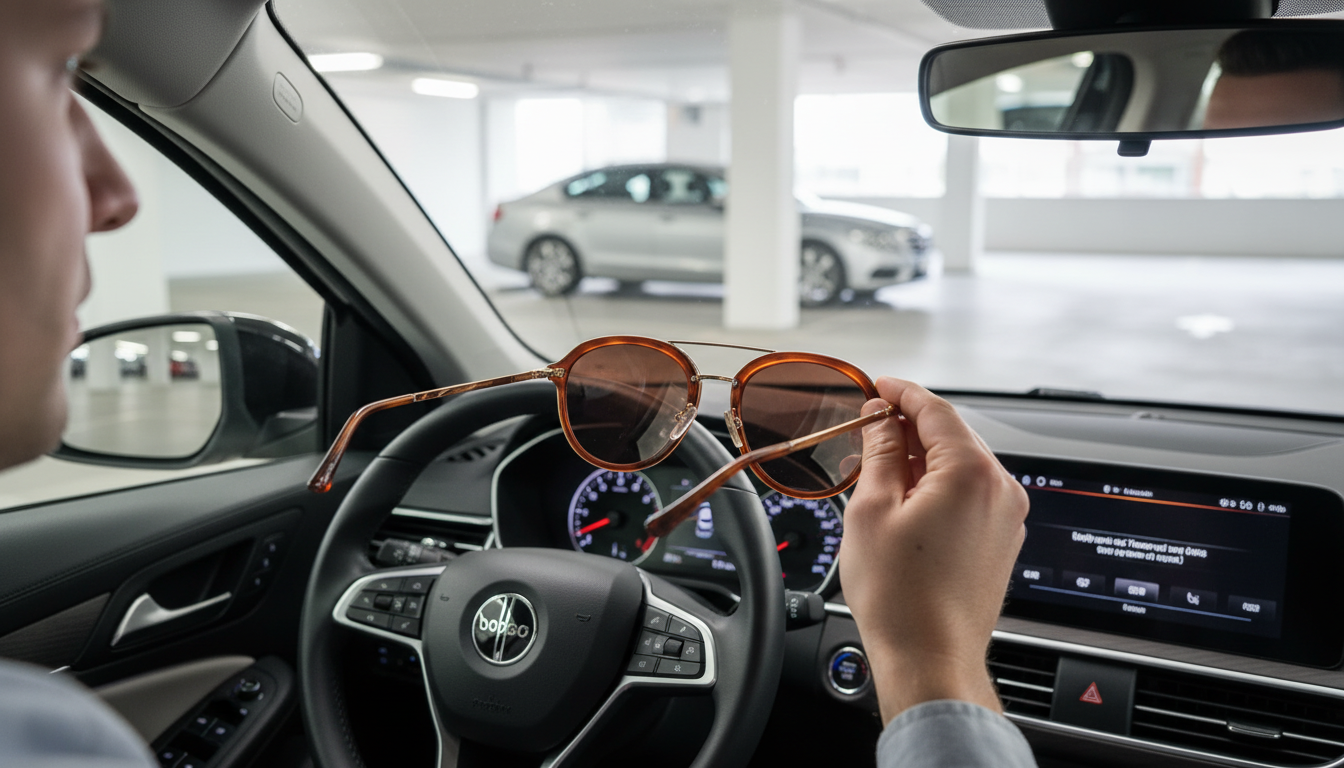
Start with clear UV labeling: “100% UVA/UVB protection” or “UV400.” Next, prioritize optical clarity and a comfortable fit that stays put when you turn your head. For day driving, gray or brown tints are popular because they can reduce brightness while keeping colors relatively natural—helpful for reading traffic lights and seeing road hazards.
Polarization can also be a big plus for driving since it cuts harsh reflected glare from pavement and hoods. Just keep in mind that some digital screens or certain head-up displays can look distorted with polarized lenses, depending on the angle.
How this improves comfort and safety on the road
UV protection helps reduce cumulative eye damage, while the right tint and optional polarization can reduce squinting and eye fatigue. Less glare can make lane markings, pedestrians, and vehicles easier to spot—especially in bright midday sun or when the road is slightly wet.
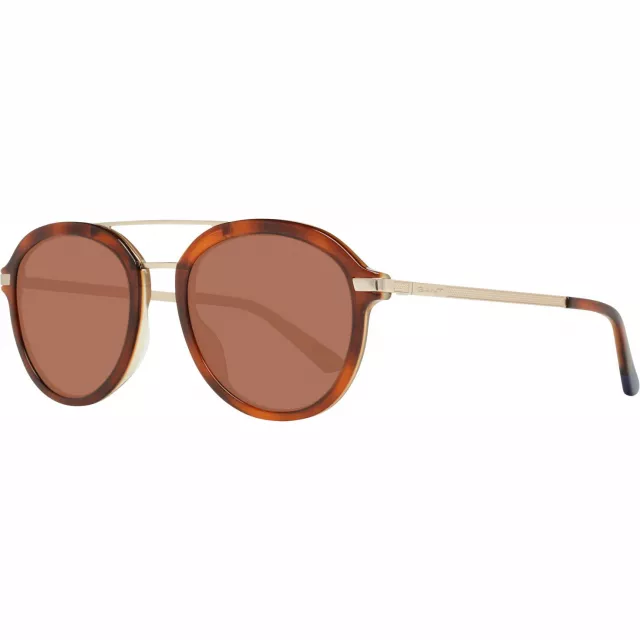
For a practical example of what to look for, see this guide on choosing a pair with full protection: GANT men’s brown oval sunglasses with 100% UVA/UVB protection.
FAQ
Are polarized sunglasses better for driving?
Often, yes—polarized lenses can reduce intense glare from roads and other vehicles, which can make driving more comfortable. If you rely on certain digital displays, test them first to ensure the polarization doesn’t reduce visibility.
Recommended for you









Leave a comment