Is 100% UVA UVB protection good?
Yes—100% UVA/UVB protection is a strong standard for sunglasses and is generally considered “good” because it means the lenses are designed to block the full range of the sun’s ultraviolet rays. UVA rays are linked to long-term eye damage (like cataracts and retinal issues), while UVB rays are a major cause of sunburn and also contribute to eye surface damage. Blocking both helps reduce risk during everyday wear and extended time outdoors.
That said, “100% UVA/UVB protection” works best when it’s paired with the right fit and coverage. UV can still reach your eyes from the sides, top, and even by reflecting off water, sand, snow, or pavement. A lens that blocks UV completely is a great start, but frames that sit close to the face or provide more wrap coverage can cut down on stray light and glare.
It also helps to know that UV protection is not the same as lens darkness. Darker tint can feel more comfortable in bright conditions, but tint alone doesn’t guarantee UV blocking. In fact, dark lenses without proper UV protection can be worse than no sunglasses because your pupils dilate in the shade, potentially letting in more harmful rays. That’s why the “100% UVA/UVB protection” claim matters.
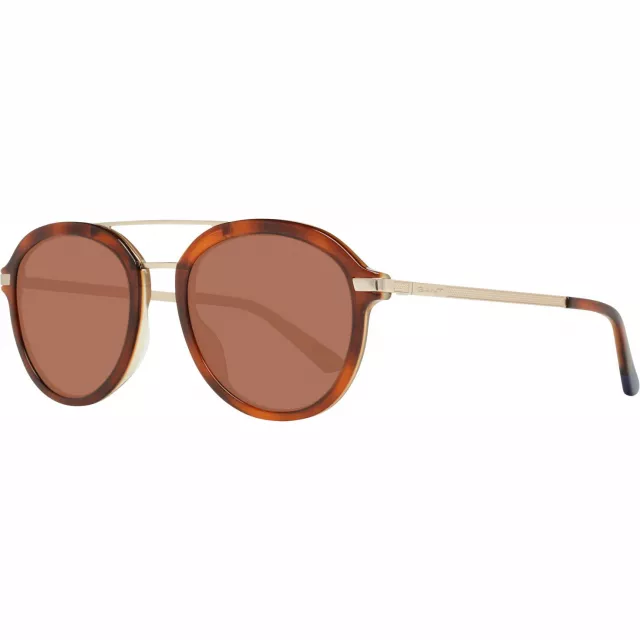
If you’re shopping for a specific style that combines everyday looks with full UV coverage, see the detailed product breakdown here: GANT men’s brown oval sunglasses with 100% UVA/UVB protection.
For 100% UVA/UVB Protection: Is It Really Good?, the best answer depends on fit, material, care instructions, and how the product will be used day to day.
Checking those details first helps avoid a poor match and keeps the choice practical after delivery.
FAQ
Do polarized lenses mean better UV protection?
No—polarization reduces glare from reflective surfaces, but UV protection depends on the lens material and coating. Many polarized sunglasses also include full UV blocking, but it should be stated separately on the product details.
Recommended for you









Leave a comment