Rotating Bedside Tables with Drawers: Why They Feel So Convenient
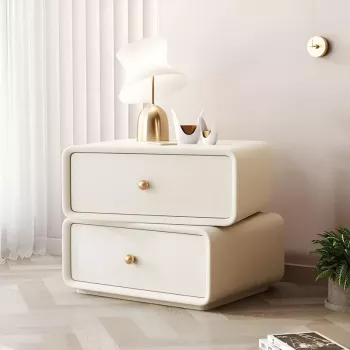
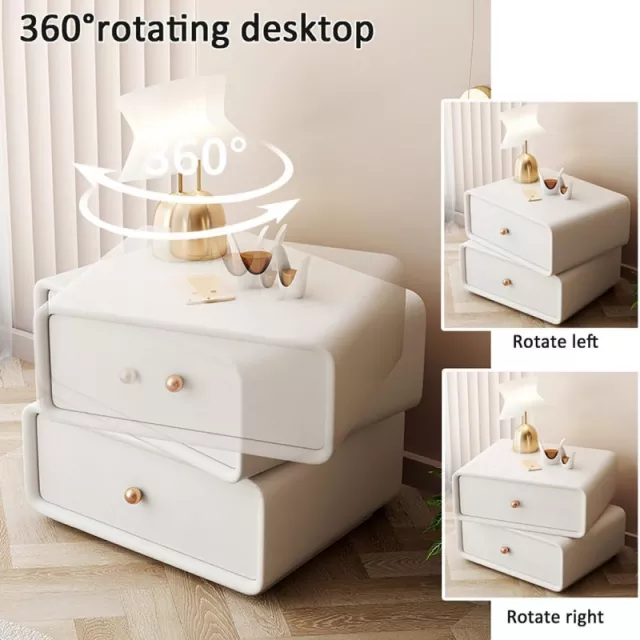
A rotating bedside table with drawers keeps essentials close without crowding the bedroom. Instead of leaning, twisting, or reaching across a fixed surface, a swivel top can turn what you need toward you—whether you’re sitting up with a book or reaching for a glass of water in the dark. Add drawers, and the everyday clutter (chargers, glasses, hand cream, earbuds) disappears while the top stays calm and usable.
To get the best experience, focus on the parts that affect daily use: smooth rotation, stable footing, drawer function, and clearances around the bed. A little measuring and setup effort up front can prevent wobble, collisions, and stuck drawers later.
What a rotating bedside table adds to a bedroom
- Quick access from bed: Rotate the surface toward the pillow instead of leaning or stretching.
- Better use of tight layouts: The table can face the bed at night and turn outward during the day.
- Clutter control: Drawers keep small items out of sight while leaving the top clear for a lamp and a drink.
- A cleaner cable setup: Drawers can hold adapters and power banks so cords don’t sprawl across the floor.
Typical features to look for (and why they matter)
- 360° swivel capability: Helps reposition the tabletop for left- or right-side access, especially if you switch sides of the bed or rearrange furniture.
- Two-drawer storage: Separates frequently used items (top drawer) from backups (bottom drawer), which also improves stability when heavier items stay low.
- Smooth drawer travel: Look for consistent alignment and handles that are easy to grip in low light.
- Stable base design: A wider footprint reduces wobble when the top is rotated, particularly if you keep a lamp on the surface.
- Surface durability: A finish that resists water rings and wipes clean is useful for bedside cups, skincare, and occasional spills.
How to Choose
Start with your routine, not the style. If you regularly reach for items while lying down, prioritize smooth rotation and a footprint that won’t shift. If your top tends to become a catch-all, prioritize drawer size and a surface finish that cleans quickly. Finally, choose a layout that respects how you walk around the bed—rotation is most helpful when it turns toward you, not into a wall or a walkway.
- Choose rotation that matches your habits: If you’ll rotate it daily, aim for a mechanism that turns easily without needing two hands.
- Pick drawer organization on purpose: Keep “nightly” items in the top drawer (glasses, lip balm), and “weekly” items in the bottom drawer (spare cables, backup batteries).
- Plan a consistent top layout: A lamp plus a small tray usually beats scattering items across the surface—especially on a top that moves.
How to choose the right size and layout
- Match height to the mattress: The tabletop should sit close to mattress height for comfortable reach and fewer spills.
- Measure swing clearance: Allow space for the top to rotate without hitting the bed frame, wall, or lamp base.
- Plan for drawer access: Ensure drawers can open fully without bumping nearby furniture or catching on thick rugs.
- Decide what must fit inside: Chargers, books, remotes, medications, and glasses cases often set the minimum drawer depth.
- Consider the room’s traffic path: A rotating top should not swing into a walkway where it gets bumped.
Quick measurement checklist
| What to measure |
Target/Rule of thumb |
Why it matters |
| Tabletop height |
Near mattress top height |
Reduces reaching and spills |
| Rotation clearance |
Enough space for a full turn |
Prevents collisions with wall/bed |
| Drawer pull-out space |
Full drawer length + hand room |
Keeps drawers usable daily |
| Base footprint |
As wide as practical for the space |
Improves stability during rotation |
| Lamp and accessory zone |
Leave a clear area on top |
Avoids crowding when rotating |
Materials and build details that affect longevity
- Engineered wood vs. solid wood: Engineered panels can be very stable, while solid wood can be heavier and may move slightly with humidity.
- Veneers and laminates: A good laminate is easy to clean and resists scratches; veneers offer a wood look with a more furniture-like feel.
- Hardware quality: Drawer slides and rotating bearings determine how smooth and quiet the table feels over time.
- Weight distribution: Heavier items should live in lower drawers to reduce tipping risk and keep rotation feeling controlled.
- Finish care: Avoid harsh solvents; use a soft cloth and mild cleaner to protect the surface from dulling.
Stability and safety in everyday use
For additional safety background, review the CPSC furniture tip-over information. For an overview of furniture safety standards, see BIFMA’s standards overview.
Assembly, placement, and setup tips
Care and maintenance to keep rotation smooth
FAQ
Does a rotating bedside table wobble when turned?
It can if the base is narrow, the floor isn’t level, or the table is top-heavy. A wider footprint, leveling pads, and keeping heavier items in the lower drawer help reduce wobble, and re-tightening hardware after the first few weeks can make a noticeable difference.
How much clearance is needed for a 360° rotating top?
Measure the tabletop’s maximum swing radius and make sure it can rotate fully without hitting the wall, bed frame, or headboard. Leave extra space for a lamp base and any cords so rotation doesn’t tug or snag.
What should be stored in the drawers versus on top?
Keep the top simple: a lamp and a small tray for nightly essentials. Use drawers for chargers, glasses, medications (as appropriate), remotes, and books, and place heavier items in the bottom drawer to improve stability.
Recommended for you










Leave a comment